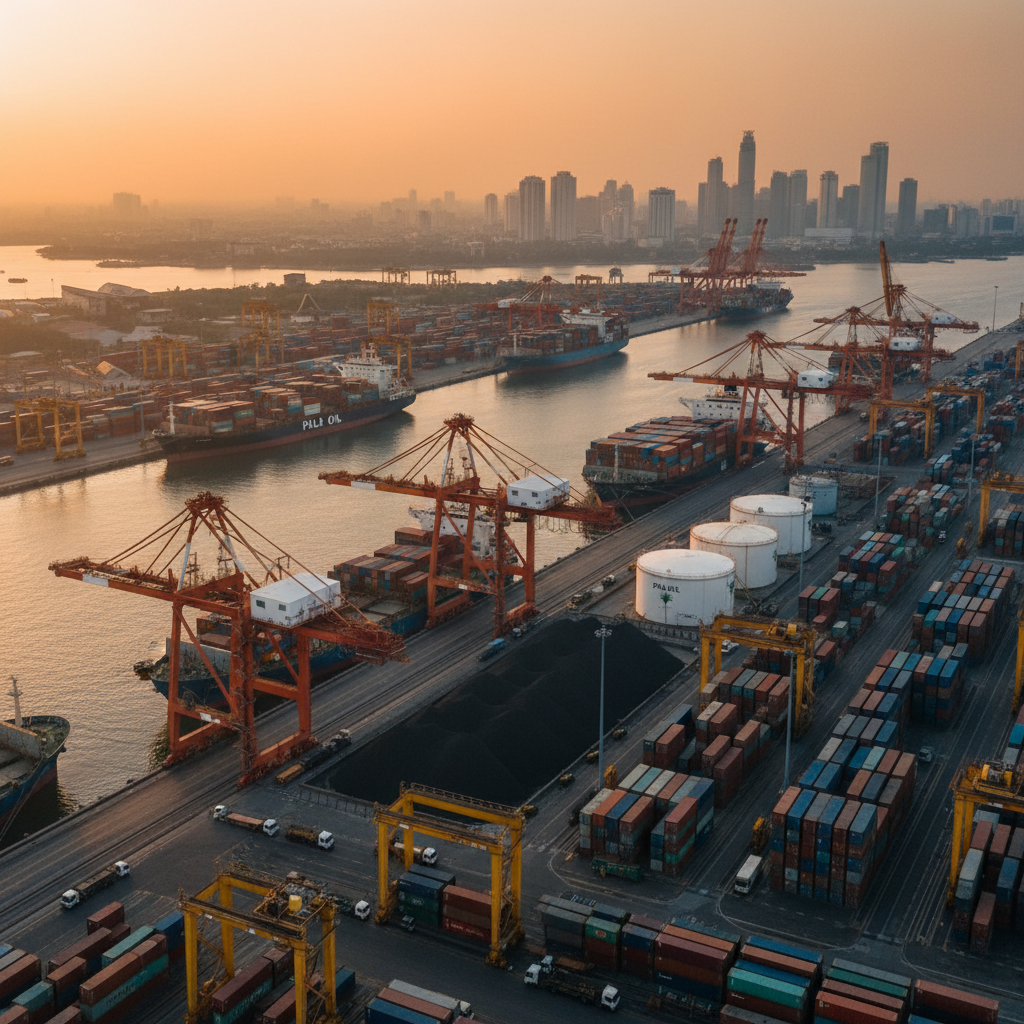
The massive cargo vessels departing the Port of Tanjung Priok in Jakarta this winter carry more than just raw Indonesian coal and palm oil. They carry a quiet financial rebellion. For decades, selling rubber from southern Thailand to manufacturing hubs in southern China, or shipping coal from Sumatra to power plants in India, required a mandatory detour through New York. Traders had to price their goods in US dollars and route payments through Western clearing houses.
That era is fading. Following the late-2026 expansion of the BRICS digital payment network, Southeast Asia’s lucrative commodity markets are undergoing a massive structural shift. By bypassing traditional Western-led banking systems, regional exporters are rewriting the rules of cross-border trade.
A Faster, Cheaper Path for Commodities
At the heart of this shift is the newly upgraded BRICS Pay platform. What began as a conceptual blockchain-based ledger has grown into a fully operational multi-currency settlement network. The late-2026 upgrades solved critical liquidity bottlenecks, allowing Southeast Asian nations to plug directly into the system without needing formal BRICS membership.
The change is highly practical. For commodity producers, margins are historically thin, and currency volatility can wipe out profits overnight. The new system cuts out intermediary banks entirely.
“We used to wait three to five business days for US dollar transactions to clear through correspondent banks in New York,” says Hadi Wijaya, a senior coal trade coordinator based in Jakarta. “Today, we settle directly in Chinese yuan or Indian rupees. The transfer takes under forty seconds, and our bank fees have dropped by nearly 60 percent. In our business, those fractions of a percent represent millions of dollars over a fiscal year.”
According to data compiled from regional central banks, cross-border trade settled via BRICS Pay and related local-currency mechanisms in Southeast Asia surpassed $45 billion in the final quarter of 2026 alone. That is a sharp increase from previous quarters, showing how fast the market is adopting the technology.
The Local Currency Push
This digital expansion aligns perfectly with policies already favored by regional leaders. For years, Bank Indonesia and Bank Negara Malaysia have pushed for “local currency settlement” (LCS) frameworks to protect their economies from the wild swings of the US Federal Reserve’s interest rate cycles.
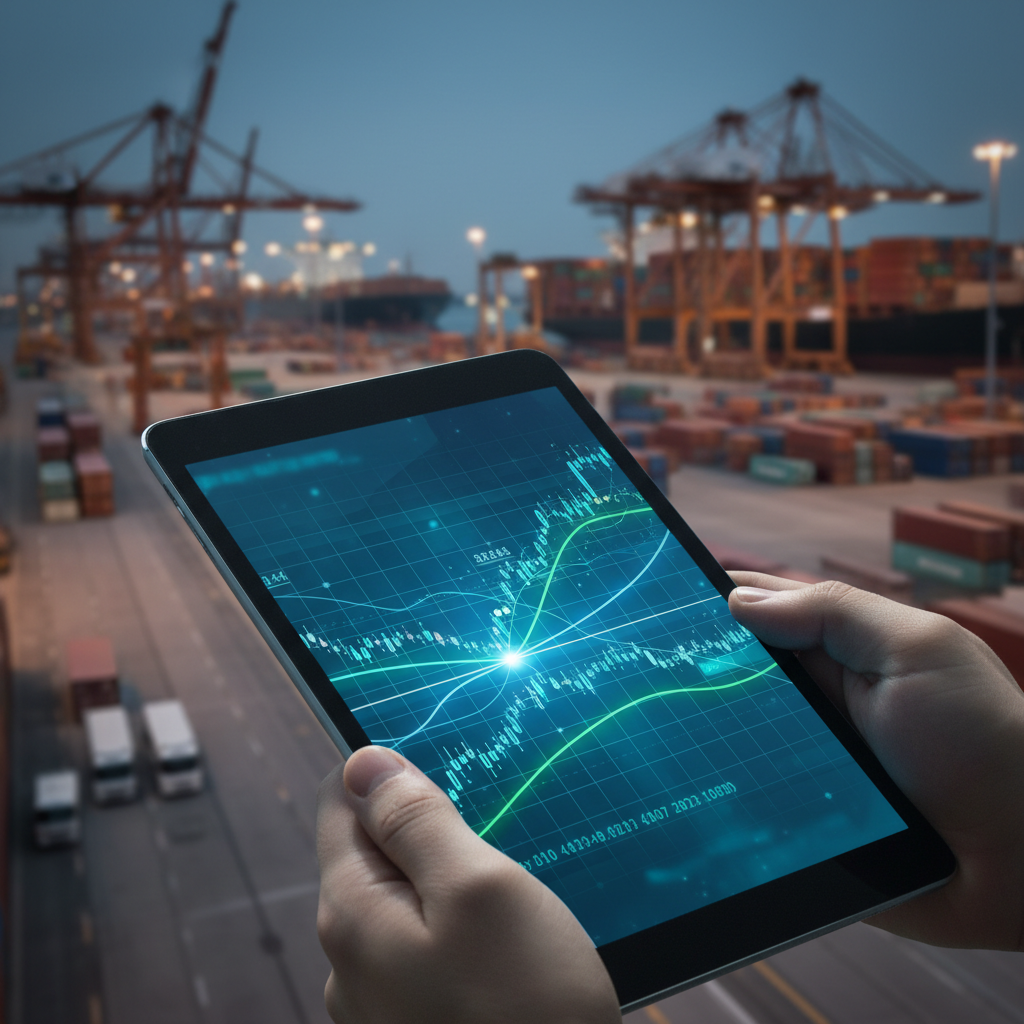
The BRICS digital platform provides the exact technical pipeline these central banks needed. It links sovereign digital currencies and existing real-time payment networks, like Indonesia’s QRIS and Malaysia’s DuitNow, into a single, cohesive offshore clearing house.
It is not just about bypassing sanctions or political maneuvering. It is about efficiency. When a Malaysian palm oil supplier sells a shipment to an Egyptian buyer, the transaction no longer needs to convert ringgits to dollars, then dollars to Egyptian pounds. The trade happens directly, settled through the digital ledger. The reduction in double-conversion fees has drastically lowered the cost of imports across the region.
The Dollar’s Changing Role
Nobody expects the US dollar to vanish from global trade anytime soon. It remains the world’s primary reserve currency and the pricing benchmark for global oil and gold. Yet its absolute monopoly is breaking down in bilateral trade, particularly in resource-heavy sectors.
Economic analysts point out that Southeast Asian nations are pragmatists. They are not choosing sides in a geopolitical cold war; they are diversifying their risks. If Washington uses unilateral financial sanctions as a political tool, regional players want an insurance policy. BRICS Pay offers exactly that.
“It is pure risk management,” explains Maria Santos, an international trade analyst at the Singapore Institute of East Asian Studies. “Southeast Asian nations don’t want to choose between the US and China. They want to trade with everyone safely. Having a parallel payment system that doesn’t rely on Western clearing houses is simply good economic hygiene for them.”
What Lies Ahead in 2027
As the system matures, neighboring countries like Vietnam and Thailand are preparing to deepen their integration. Thailand, which has actively lobbied for closer ties with the BRICS bloc, is currently testing direct digital baht-to-ruble and baht-to-yuan commodity transactions for agricultural exports.
For the average consumer, these high-level banking shifts might seem distant. But their downstream effects are real. Cheaper energy, cheaper food imports, and more stable local currencies are the direct results of a more efficient payment infrastructure. The late-2026 expansion of BRICS Pay has proved that the future of trade is local, digital, and increasingly multipolar.