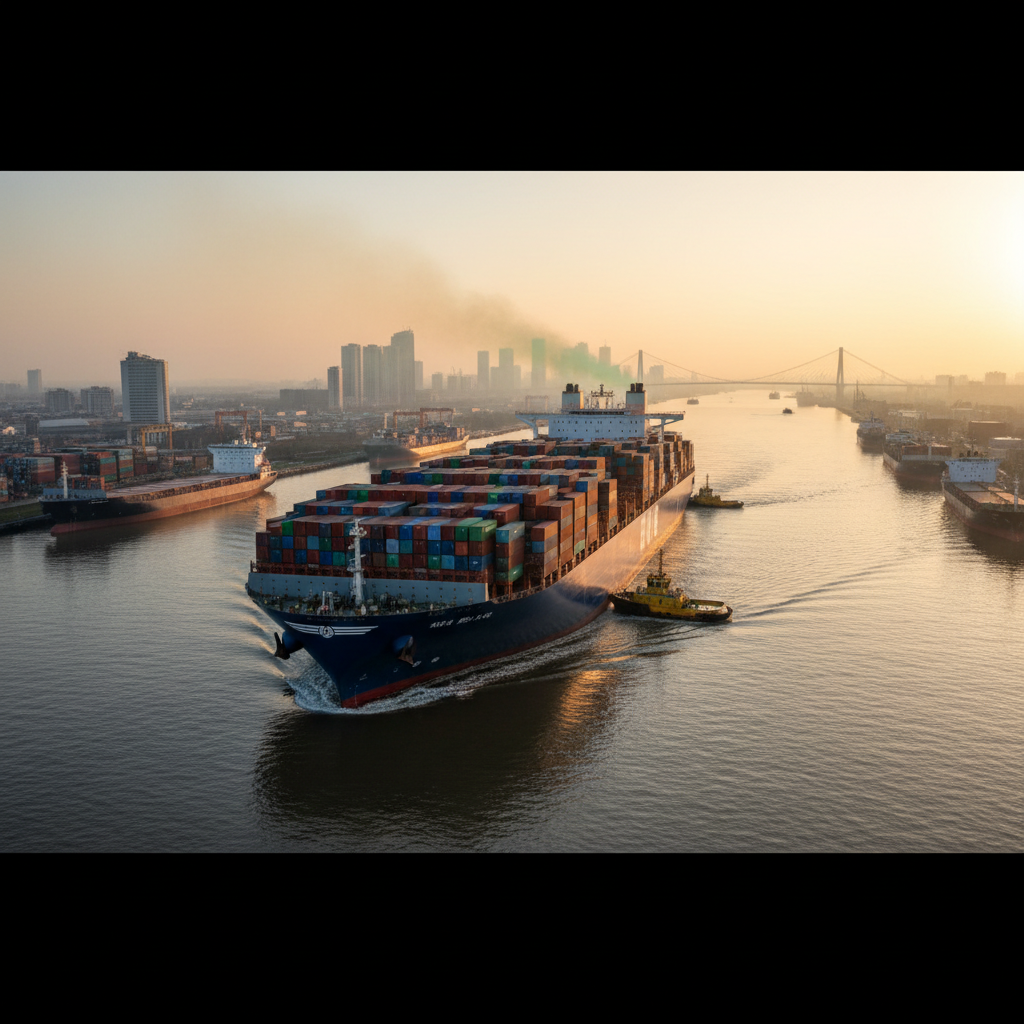
The maritime industry is running out of time. With strict international climate targets looming, shipping companies are scrambling to secure eco-friendly cargo vessels. This sudden rush has triggered a massive pricing spike. Charter rates for alternative-fuel ships have jumped by 40% over the last twelve months, driven by the rollout of ‘green shipping corridors’ and upcoming 2027 decarbonization deadlines.
For years, shipowners debated which fuel would win the race to replace heavy fuel oil. Now, they don’t have the luxury of waiting. Multi-year charter agreements for dual-fuel vessels—those capable of running on liquefied natural gas (LNG), methanol, or ammonia alongside conventional fuel—are commandingly expensive.
Industry data highlights the scale of the squeeze. A standard 15,000 TEU dual-fuel container ship that commanded a daily charter rate of roughly $48,000 in early 2023 now costs charterers upward of $67,000 per day. For the largest neo-Panamax vessels, prices are climbing even higher.
The 2027 Countdown
The sudden rush isn’t a coincidence. Under the International Maritime Organization’s (IMO) revised strategy, global shipping must cut greenhouse gas emissions by at least 20% by 2030, with a critical checkpoint in 2027. At the same time, regional rules are putting teeth into these goals. The European Union’s FuelEU Maritime initiative will soon penalize vessels that fail to reduce their energy greenhouse gas intensity.
Perhaps the biggest driver, however, is the rapid development of green corridors. These are specific maritime routes—such as Shanghai to Los Angeles or Rotterdam to Singapore—where port authorities, fuel suppliers, and carriers agree to support zero-emission ships.
"We are seeing a major shift in how cargo routes are organized," says Elena Rostova, a senior maritime analyst at Drewry. "If you want to operate on a prestigious green corridor, you need the right ship. If you don’t have one, you’ll have to pay a massive premium to rent one from someone else."
A Bottleneck at the Shipyards
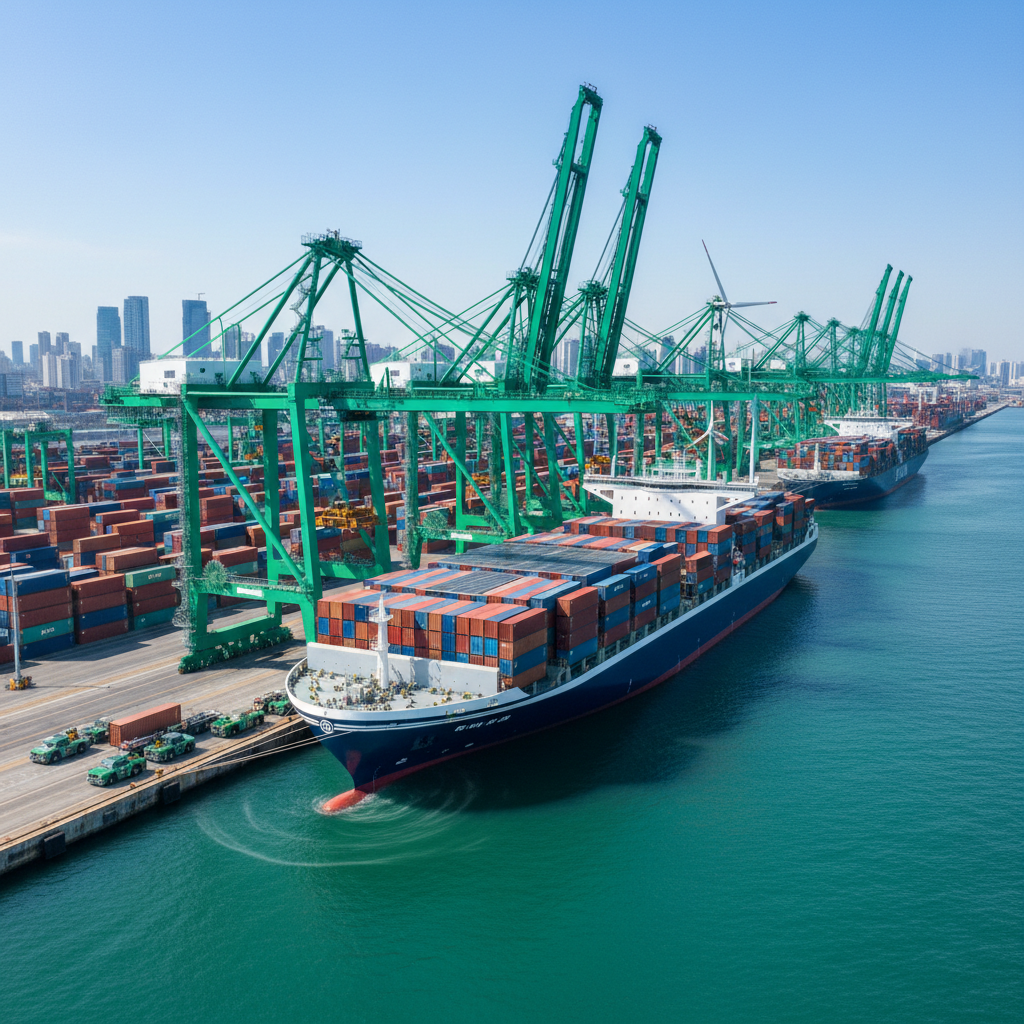
Why not just build more clean ships? The answer lies in the global shipbuilding bottleneck. Most major shipyards in South Korea and China are fully booked through 2027, with some already taking orders for 2029 deliveries.
"You can’t just order a green ship and expect it to arrive next month," explains Rostova. "The lead times are agonizingly long. For carriers who hesitated to invest in alternative fuels three years ago, renting is now their only option to meet immediate cargo owner demands."
Major retail giants like Amazon, IKEA, and Target have pledged to transition their ocean freight entirely to zero-emission vessels by 2040. To keep these lucrative contracts, shipping lines must prove they have the fleet to deliver. This corporate pressure is compounding the regulatory push, forcing ocean carriers to absorb the high charter rates—or pass them along to consumers.
Which Fuel Wins?
Currently, dual-fuel LNG ships make up the bulk of the active alternative-fuel fleet, but methanol is catching up fast. Companies like Maersk have bet heavily on green methanol, deploying their first mid-sized dual-fuel vessels last year. However, securing the actual green fuel remains a challenge.
Many of these high-priced dual-fuel vessels are currently burning standard low-sulfur fuel oil because green methanol and bio-LNG are still scarce and incredibly expensive. Yet, charterers are still willing to pay premium rates just to have the optionality.
"It’s about future-proofing," says Thomas Lind, head of fleet allocation at Nordic Logistics Group. "We’re paying a premium today for the capability to burn green fuel tomorrow. If we don’t lock in these vessels now, we’ll be locked out of the market entirely by 2027."
As the deadline approaches, the gap between traditional, less-efficient vessels and modern green ships is expected to widen even further. For shipowners who took early financial risks on alternative propulsion, the current 40% premium is a welcome reward. For everyone else, it is an expensive wake-up call.