The global race for battery dominance just took a sharp, unexpected turn.
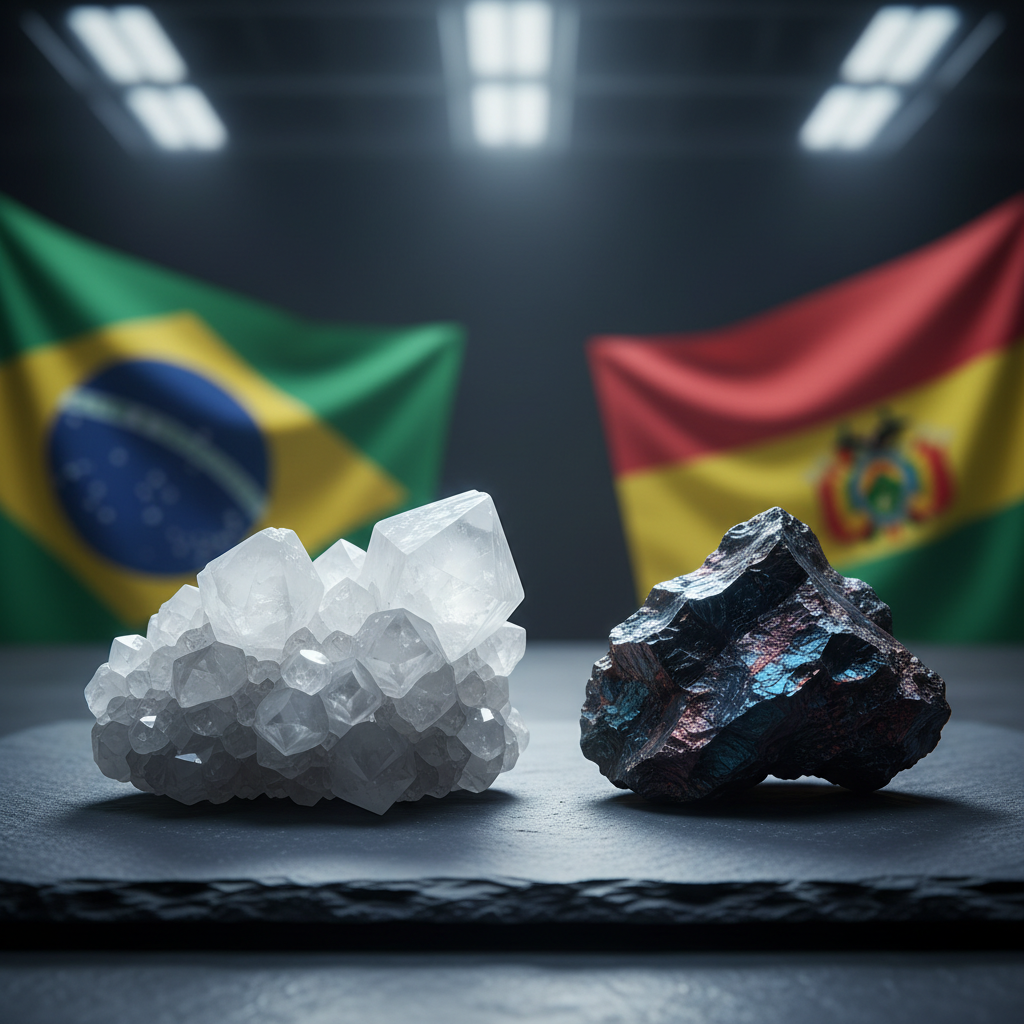
In a move that has caught international automakers off guard, Brazil and Bolivia have signed a historic bilateral treaty to establish a new export cartel. Its target is not lithium, but the raw materials essential for next-generation sodium-solid-state batteries. This new alliance aims to regulate exports and control prices, threatening to upend the delicate supply chains of electric vehicle (EV) manufacturers worldwide.
The Birth of the South American Sodium Alliance
The pact, signed in La Paz, officially creates the South American Sodium Alliance (SASA). It represents a massive strategic pivot for the region. For years, the global tech industry focused heavily on the South American “Lithium Triangle.” Now, the emphasis is shifting to sodium-based alternatives, which are rapidly gaining traction as a cheaper, safer, and far more abundant option than traditional lithium-ion chemistries.
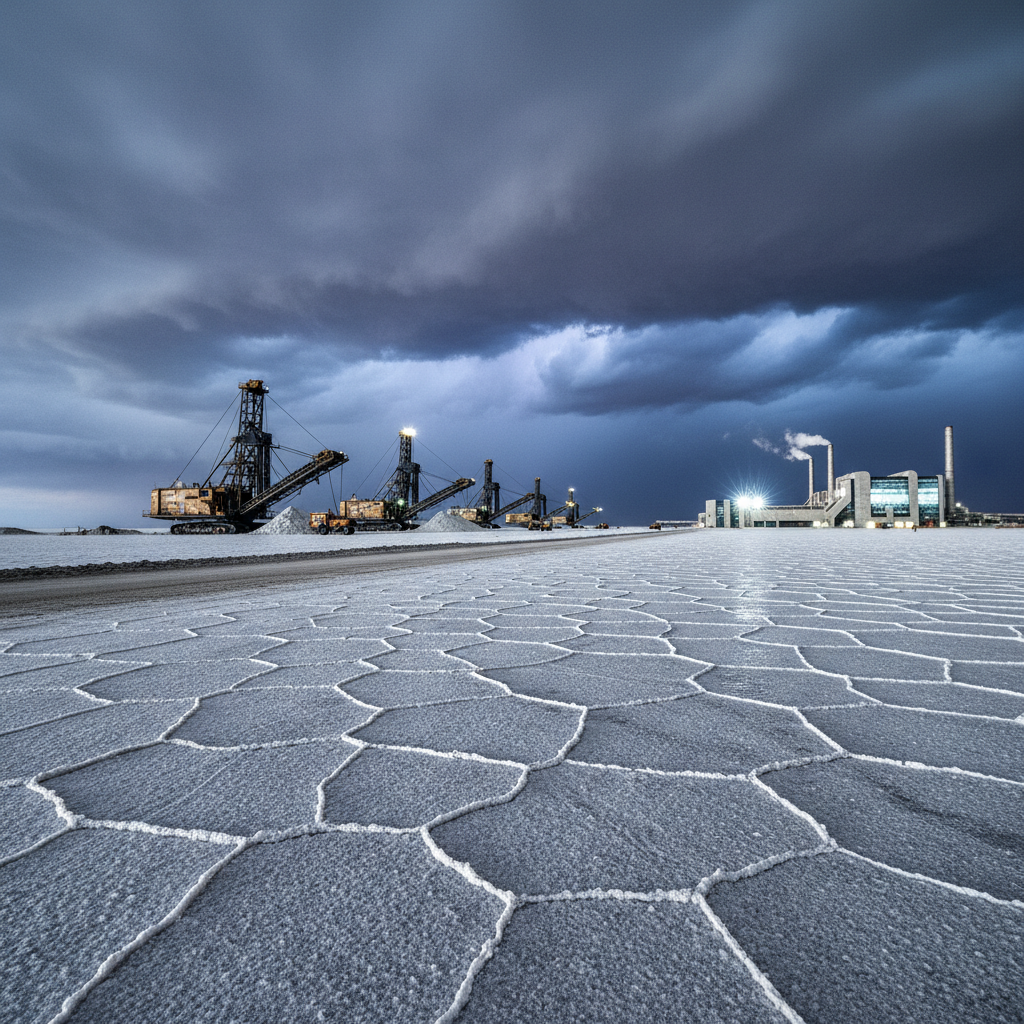
Under the terms of the agreement, both nations will coordinate export quotas and set minimum pricing thresholds for sodium compounds, refined salt minerals, and key additives like niobium. Brazil holds some of the world’s largest reserves of niobium, a metal critical for stabilizing solid-state battery structures. Bolivia, meanwhile, boasts the planet’s most expansive salt flats, rich in the high-purity sodium salts required for these new cells.
“We are not going to let our natural wealth be exploited without fair returns,” said Franklin Molina, Bolivia’s Minister of Hydrocarbons and Energies, during the joint press conference. “We saw how the lithium rush played out, where foreign companies took the raw materials and left us with the environmental bill. This time, we are setting the rules from day one.”
Why Sodium, and Why Now?
The timing of the cartel’s formation is critical. The automotive industry is facing a quiet revolution. While lithium still rules the road, its price volatility and the ethical concerns surrounding cobalt have forced carmakers to look elsewhere. Sodium-ion batteries are the frontrunner. Major players like China’s CATL and BYD have already begun building factories for sodium-ion batteries destined for entry-level EVs.
However, the real prize is the sodium-solid-state battery. By replacing the liquid electrolyte inside the battery with a solid material, engineers can create cells that pack more energy, charge in minutes, and eliminate the risk of catching fire. But these batteries require highly specific chemical formulations.
By locking down the supply of raw sodium derivatives and niobium, Brasilia and La Paz are positioning themselves as the ultimate gatekeepers of this emerging technology.
Disrupting the EV Supply Chain
The strategy is simple. Instead of merely shipping raw minerals to factories in China, Europe, or the United States, the alliance wants to force manufacturers to build processing plants on South American soil.
“Our goal is industrialization at home,” explained Alexandre Silveira, Brazil’s Minister of Mines and Energy. “If global automakers want access to our niobium and refined sodium, they must invest in our local economies. We are no longer just an extraction point. We are partners in high technology.”
The reaction from the automotive sector has been swift and anxious. Shares of major lithium producers dipped slightly following the announcement, while battery supply chain managers scrambled to assess their exposure.
“This is a massive geopolitical curveball,” said Dr. Helena Vance, a senior energy analyst at Horizon Resource Group. “Many in the West assumed sodium would be the cheap, geopolitical-risk-free alternative to lithium because sodium is everywhere. But high-grade sodium for solid-state batteries requires specific refining, and Brazil’s near-monopoly on niobium gives this cartel real leverage. They are showing that no transition metal is safe from resource nationalism.”
What Lies Ahead
The alliance plans to set up a joint regulatory board headquartered in Santa Cruz, Bolivia. This board will meet quarterly to adjust export caps based on global demand and coordinate geological surveys.
Whether the cartel can maintain strict internal discipline remains to be seen. Historically, commodity cartels struggle when member nations face economic crises and need quick cash. However, the combination of Brazil’s industrial scale and Bolivia’s raw mineral wealth makes this partnership highly formidable.
For EV giants like Tesla and European manufacturers already struggling with high material costs, the message is clear. The era of cheap, unregulated battery inputs might be over before it even begins.