The New Green Wall Across the Mediterranean
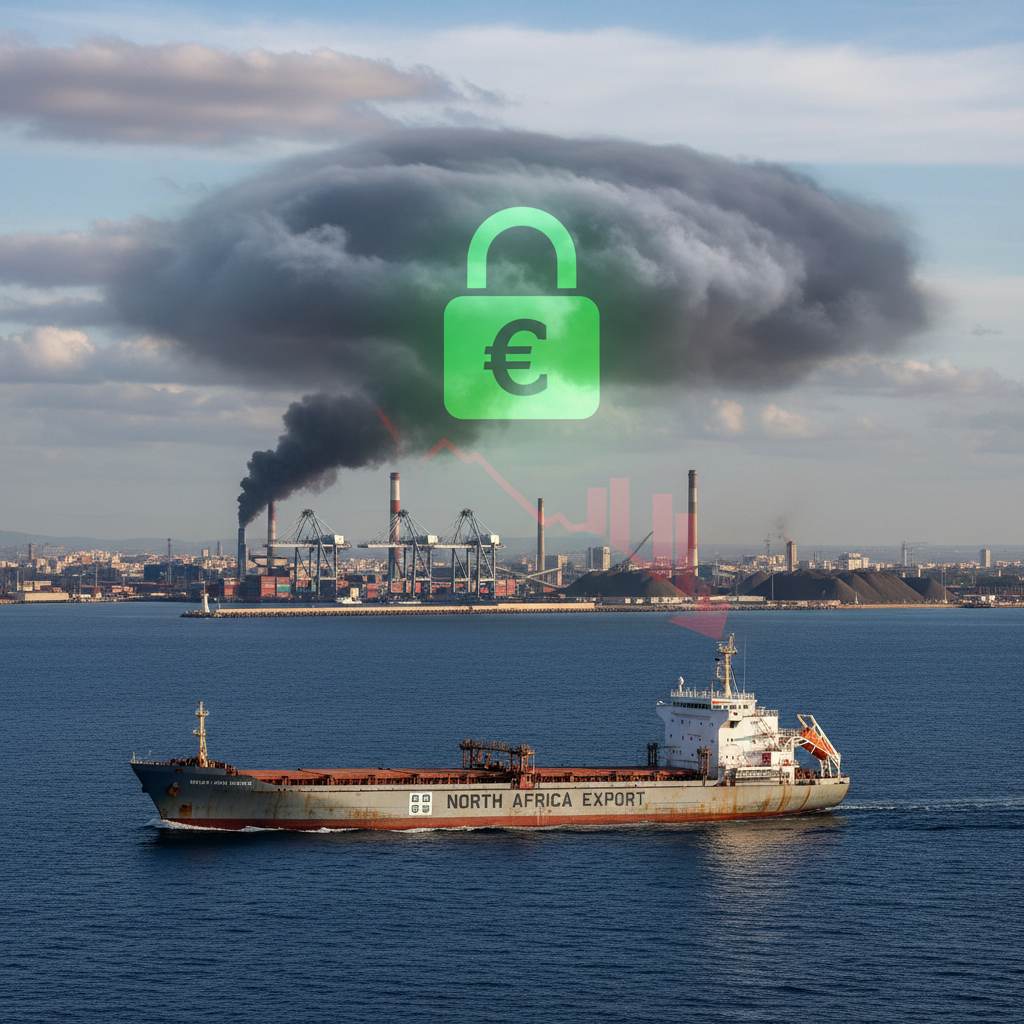
The European Union is erecting a green trade wall, and its southern neighbors are starting to feel the squeeze. Decades of easy industrial trade across the Mediterranean are coming to an end. With the introduction of the EU’s Carbon Border Adjustment Mechanism (CBAM), North African exporters face a stark choice: clean up their production lines or pay a heavy price to access their richest market.
The policy target is simple. The EU wants to stop “carbon leakage,” which happens when European companies move polluting production to countries with weaker environmental laws. To prevent this, Brussels is taxing imports based on the carbon emitted during their manufacture. The rule covers heavy, carbon-intensive sectors first: cement, iron, steel, aluminum, fertilizers, and electricity.
For North African nations, the stakes are incredibly high. Geographically close and deeply integrated with European supply chains, countries like Egypt, Algeria, Morocco, and Tunisia rely heavily on European buyers. Now, their industrial models are under threat.
A Heavy Blow to Regional Giants
Egypt and Algeria are particularly vulnerable. Egypt is a major global supplier of fertilizers, and Europe is its primary destination. Local chemical plants rely on natural gas, leaving them with a massive carbon footprint. When the tax becomes fully active, Egyptian exporters could see their profit margins evaporate as European buyers look for cleaner alternatives elsewhere.
Algeria faces a similar headache. Its economy is built around oil and gas, and its domestic electricity is almost entirely fossil-fueled. This makes Algerian steel, cement, and fertilizers highly carbon-intensive. Without billions of dollars in green upgrades, these industries will struggle to remain competitive in European ports.
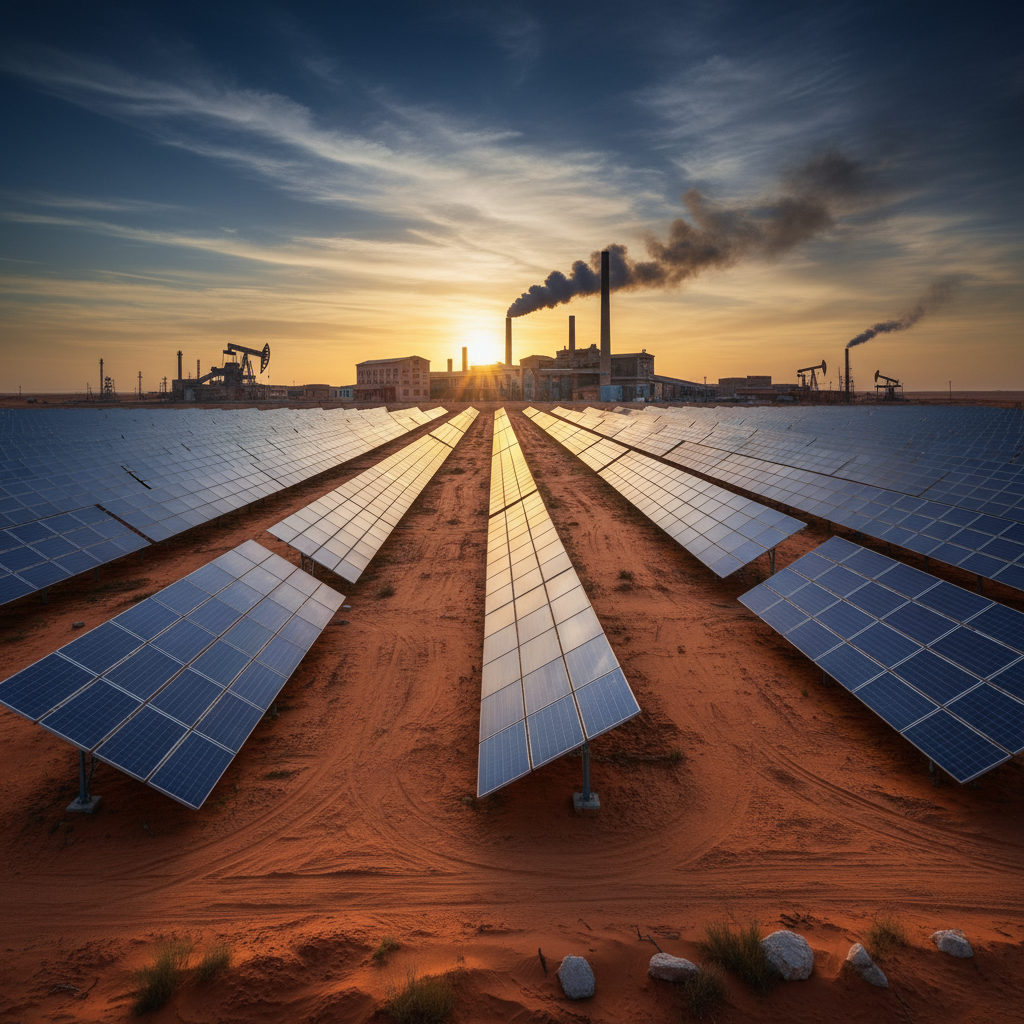
Even Morocco, which has made massive strides in solar and wind power, is not safe. The country still relies on coal for more than half of its electricity grid. While Moroccan manufacturers are trying to secure direct green energy deals, the administrative burden of proving their goods are low-carbon is already weighing on smaller businesses. The transition period, which began in October 2023, requires exporters to report their direct and indirect emissions. Many simply do not have the technology or the staff to do this.
The Steep Cost of Compliance
For many North African factory owners, the immediate crisis is not the tax itself, but the red tape. Under the transitional rules, local companies must calculate their exact carbon emissions according to strict European standards. That is easier said than done.
- Local laboratories often lack the international certification needed to verify emissions.
- Small and medium-sized enterprises (SMEs) cannot afford expensive European consultants to audit their plants.
- Data collection across complex local supply chains is proving highly unreliable.
Without clear data, European importers will face penalties, making them hesitant to sign long-term contracts with North African suppliers. Economists warn this could lead to a quiet, gradual decoupling of trade between the two regions.
An Unequal Green Transition
The African Development Bank has warned that CBAM could cost the African continent billions of dollars in lost trade revenues annually. Many regional leaders argue the policy is unfair. They point out that North Africa contributed very little to historical global emissions, yet its industries are now being asked to pay the same carbon price as wealthy European factories.
To survive, North African governments are scrambling to build green infrastructure. Morocco is fast-tracking green hydrogen projects. Egypt is attempting to position itself as a regional wind energy hub. But these mega-projects take years to build. In the meantime, factory owners on the ground are running out of time before the EU starts charging actual financial penalties in 2026. If these nations cannot clean up their acts quickly, they risk being shut out of Europe for good.