

The Battle for North American Content
Mexico’s manufacturing sector is enjoying a historic boom, but a major storm is brewing on the horizon. As the 2026 review of the United States-Mexico-Canada Agreement (USMCA) approaches, Washington and Ottawa are sharpening their knives. The main target? The treaty’s complex “rules of origin.” These rules dictate how much of a product must be made within the region to cross borders tariff-free.
For Mexico, the stakes couldn’t be higher. The country has become the United States’ top trading partner, largely by assembling cars, electronics, and machinery. But US and Canadian officials worry that Mexico is being used as a backdoor for Chinese goods. They want to tighten the rules, forcing manufacturers to source fewer parts from Asia if they want to keep duty-free access.
The China Factor in Mexican Factories
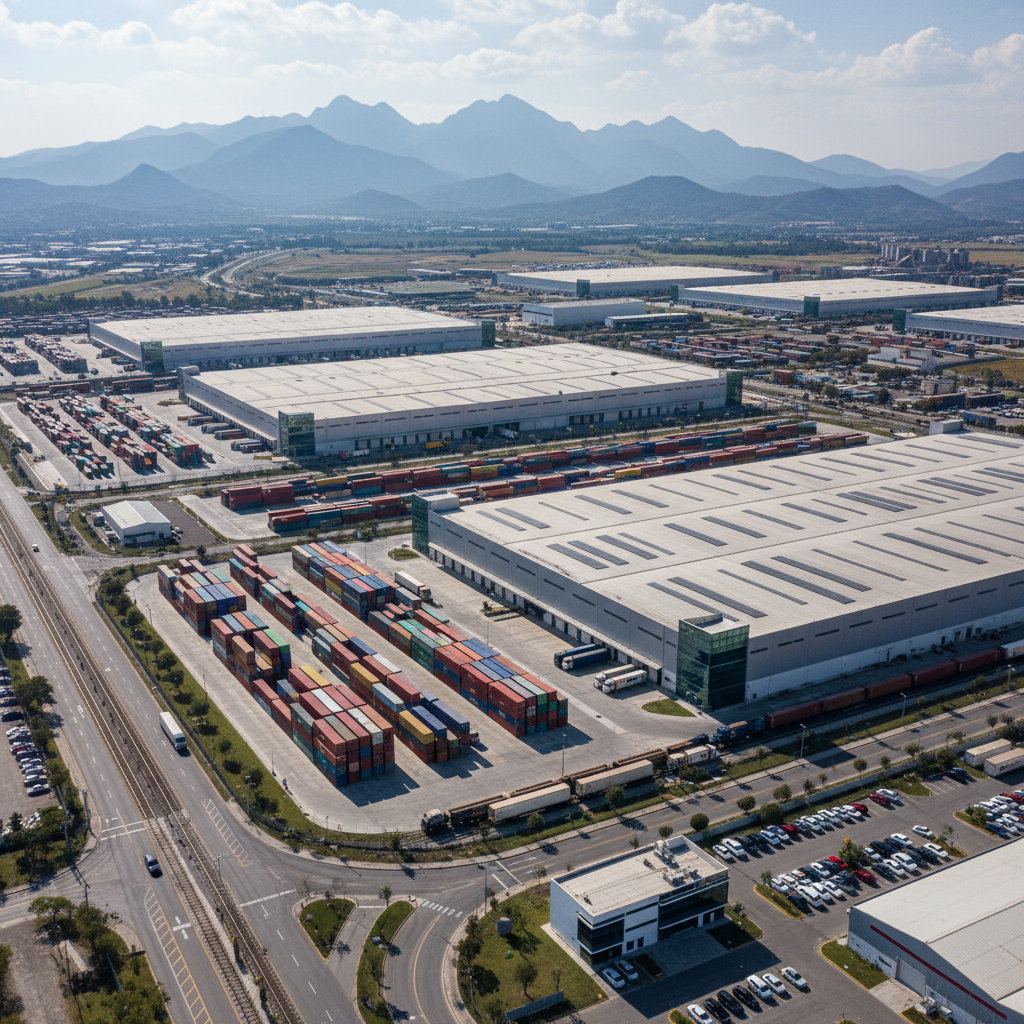
The core of the dispute lies in the shift toward nearshoring. Dozens of Chinese companies have set up operations in northern Mexican states like Nuevo León and Coahuila. By manufacturing locally, these firms aim to bypass heavy US tariffs on Chinese-made goods. However, critics argue many of these factories are merely assembling imported Chinese components rather than creating genuine local supply chains.
The current USMCA rules require 75% of a passenger vehicle’s content to originate in North America. Rumors are swirling that Washington may push to raise this threshold even higher during the 2026 review. They might also introduce stricter tracing requirements for steel, aluminum, and advanced electronics.
Such a move would hit Mexican suppliers hard. Many mid-sized factories rely on affordable Asian raw materials to keep their margins viable. Forcing them to switch to more expensive North American suppliers overnight could wipe out their competitiveness.
Mexico’s Diplomatic Tightrope
Mexico’s new administration, led by President Claudia Sheinbaum, is preparing for a tense negotiation. Economy Minister Marcelo Ebrard has already signaled that Mexico wants to work with its northern neighbors. He recently stressed the importance of strengthening the North American bloc to compete against Asia. However, Ebrard also has to protect millions of Mexican manufacturing jobs.
Canada is aligning closely with the US stance. Canadian Deputy Prime Minister Chrystia Freeland has warned that Canada cannot be a backdoor for unfair Chinese trade practices. This united front from Washington and Ottawa leaves Mexico with very little leverage.
What Lies Ahead for Regional Trade
The upcoming US presidential election adds another layer of unpredictability. Both major political parties in the US have adopted increasingly protectionist stances. Whether it is a Democratic or Republican administration in 2026, the pressure on Mexico to cut ties with Chinese supply chains will remain intense.
For local manufacturers, the path forward is clear but difficult. They must invest heavily in localizing their own supply chains. This means producing more steel, plastic, and electronic components right here in North America. It is a massive challenge, but it may be the only way to save Mexico’s status as the region’s premier manufacturing hub.
- Rules of origin are set for a major overhaul in the 2026 USMCA review.
- The US and Canada aim to curb Chinese investments bypassing tariffs through Mexico.
- Mexican suppliers face rising costs if forced to abandon Asian raw materials.