
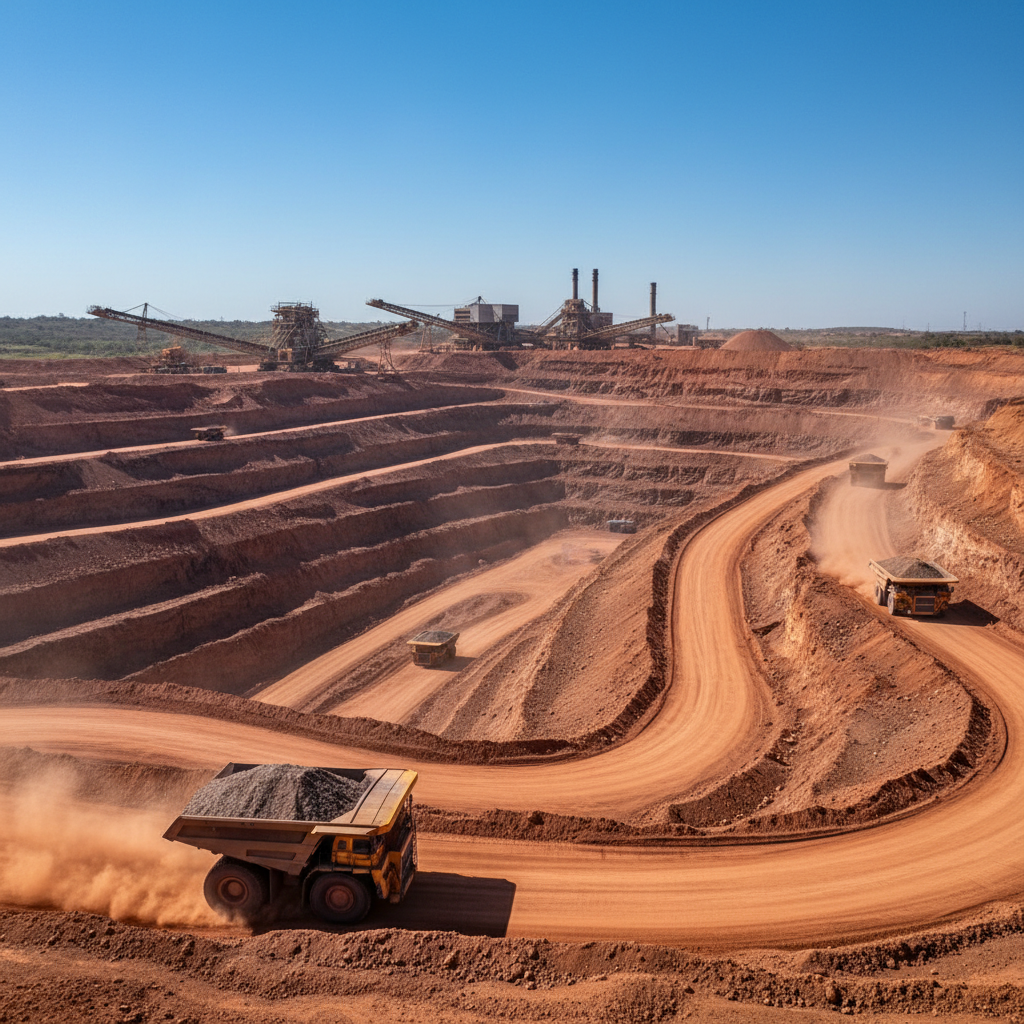
The global race for electric vehicle batteries has a new map. For years, the auto industry looked to the high-altitude salt flats of South America to secure its future. Now, that gaze is shifting across the Atlantic.
A surge in resource nationalism in Chile, Bolivia, and Argentina is redrawing supply lines. In their place, African nations are rapidly emerging as the new frontier for lithium extraction. The transition is happening faster than many expected.
The South American Bottleneck
South America’s “Lithium Triangle” holds roughly half of the world’s identified resources. Yet, accessing those riches has become a geopolitical headache. Last year, Chilean President Gabriel Boric announced a plan to put the state in control of all new lithium projects. While existing contracts remain valid, the move sent a clear signal to foreign investors: the era of easy, cheap access is over.
In Bolivia, state control has kept massive reserves virtually untouched for decades. Technical issues and political paralysis continue to stall progress. Argentina remains more open to private capital, but severe economic instability and local opposition create constant friction. “Automakers cannot wait ten years for a project to get permitted and built,” says regional mining analyst Marcus Torres. “They need the metal now. That impatience is driving capital elsewhere.”
Africa’s Hard-Rock Speed Advantage
Africa is moving fast. Unlike the lithium brines of South America, which require years of solar evaporation, African deposits are mostly hard-rock spodumene. This type of mining is quicker to scale up, even if it is more energy-intensive.
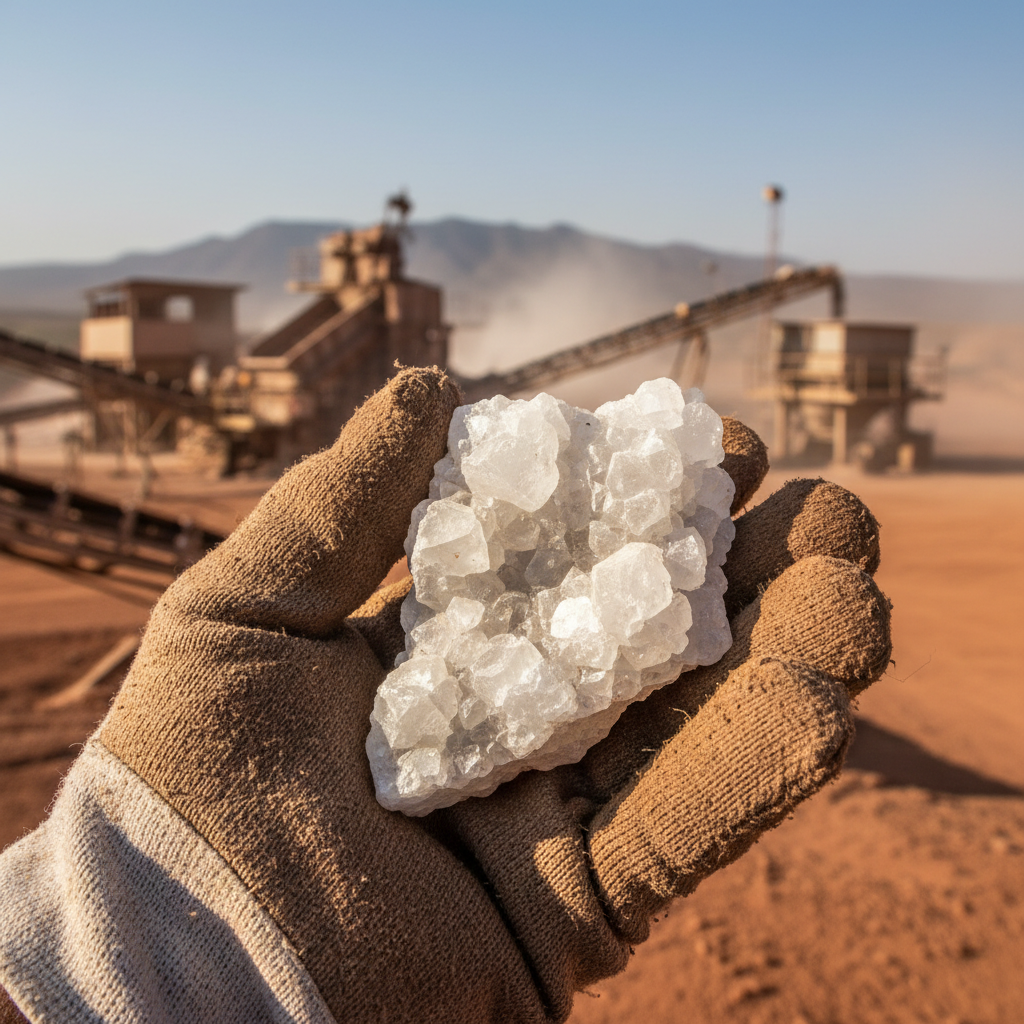
Zimbabwe is leading the charge. In 2023, the Arcadia mine, owned by China’s Huayou Cobalt, began exporting concentrates just over a year after construction started. Such a timeline is unheard of in South America. Other countries like Mali, Namibia, and the Democratic Republic of Congo are also fast-tracking developments. Mali’s Goulamina project and Namibia’s Karibib mine are poised to become major global suppliers within the next few years.
The New Geopolitical Friction
This shift is not without its own political hurdles. African leaders are determined not to repeat the mistakes of the past. They do not want to simply export raw dirt. Zimbabwe banned the export of unprocessed lithium in late 2022, forcing companies to build local processing plants. Namibia followed with a similar ban on raw exports.
This policy forces mining companies to invest in local infrastructure. It creates jobs, but it also raises the cost of entry. “The message from African governments is clear,” says Elizabeth Mwangi, an independent energy researcher based in Nairobi. “If you want our minerals, you must build the factories here.”
Chinese Dominance and the Western Struggle
So far, Chinese firms are winning this new scramble. Companies like Ganfeng Lithium, Chengxin Lithium, and Huayou Cobalt have spent billions acquiring African assets. They have built processing facilities, secured local partnerships, and locked down supply agreements. Their ability to move quickly and accept higher political risks has given them a massive head start.
Western companies and policymakers are scrambling to react. The US Inflation Reduction Act and European Union critical mineral strategies are designed to reduce reliance on China. However, Western mining companies face strict environmental regulations and risk-averse investors, making it harder for them to compete in emerging African markets.
A Reshaped Global Market
The geography of the green transition is changing. South America will remain a critical lithium powerhouse, but its political shift has broken its near-monopoly on future supply. Africa’s rapid rise proves that supply chains are highly adaptable. As carmakers race to meet ambitious EV targets, the path to a zero-emission future no longer runs solely through the Andes. It now cuts directly through the African continent.