

The global financial plumbing is getting a major rewrite. For decades, if a business in Brazil wanted to buy machinery from China, the transaction almost certainly involved US dollars and went through the SWIFT messaging system. Not anymore. The BRICS bloc—which recently expanded to include several oil-producing giants—has officially launched its alternative cross-border payment system. It is a direct challenge to the greenback’s long-standing dominance.
Known informally as BRICS Pay, the decentralized platform bypasses Western financial infrastructure entirely. The goal is simple: let member states trade directly in their own national currencies. But while the political rhetoric focuses on sovereignty and sanctions evasion, economists are looking at the math. This shift is set to reshape global liquidity in ways the market is only beginning to digest.
Bypassing the Correspondent Banking System
To understand the impact, you have to look at how money moves today. Traditional cross-border payments rely on a vast web of correspondent banks. Most of these transactions ultimately settle in New York. This system gives the US Treasury immense leverage, but it also adds costs and delays for emerging markets.
The new BRICS system cuts out the middleman. By using a decentralized messaging network, banks can clear trades directly with each other. It uses a mix of local currencies, digital assets, and sovereign ledgers.
“This isn’t just about avoiding sanctions,” says Marcus Vance, an international trade analyst at the Zurich Institute of Finance. “It is about efficiency. If you can settle a trade between New Delhi and Moscow in rupees and rubles without converting to dollars first, you save on transaction fees and hedging costs. But you also change where the liquidity pools form.”
The Liquidity Conundrum
When billions of dollars in trade move away from the greenback, that liquidity has to go somewhere. Under the new model, central banks within the BRICS alliance will need to hold larger reserves of each other’s currencies. This could lead to a fragmented global market.
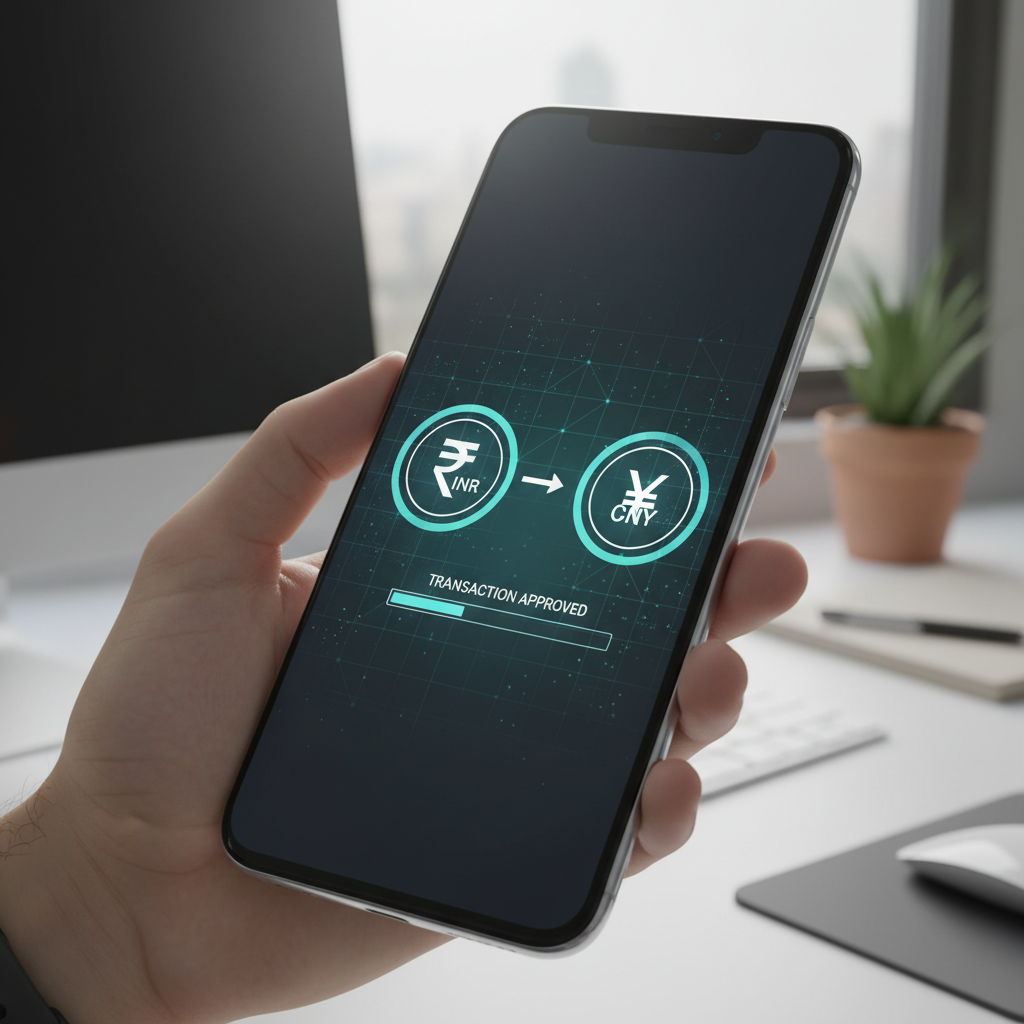
Instead of one massive, highly liquid pool of dollars, the world may soon see smaller, regional pools of yuan, rupees, and dirhams.
This fragmentation brings its own risks. The US dollar is popular because it is incredibly easy to buy and sell at any time. The same cannot be said for the Indian rupee or the Russian ruble. If a Chinese exporter accumulates billions of rupees, what do they do with them? They cannot easily use them to buy goods from Germany or Brazil.
To solve this, the BRICS system plans to integrate central bank digital currencies (CBDCs) and a potential gold-backed unit of account. This would act as a bridge. Still, setting up these mechanisms takes time. Until then, businesses face real currency risk.
A Slow Erosion, Not a Sudden Collapse
Despite the hype, the US dollar is not going to vanish from international trade tomorrow. It still accounts for nearly 90% of all global foreign exchange transactions. The greenback remains the ultimate safe haven in times of crisis.
However, the launch of an operational alternative marks a point of no return. Countries like Saudi Arabia and the United Arab Emirates joining the bloc means that oil—the very commodity that backed the dollar’s global rise—is now being priced and traded in other currencies.
“We are looking at a slow, steady erosion of dollar dominance rather than a sudden crash,” notes Helen Carter, a sovereign debt strategist. “The real impact will be felt in the debt markets. If central banks need fewer dollars for trade, they will buy fewer US Treasuries. That could push US borrowing costs higher over the next decade.”
For multinational corporations, the message is clear. The days of relying on a single, universal payment pipeline are ending. Companies must now prepare to navigate a bifurcated financial world, where liquidity is split between Western-aligned networks and the emerging BRICS ecosystem.