
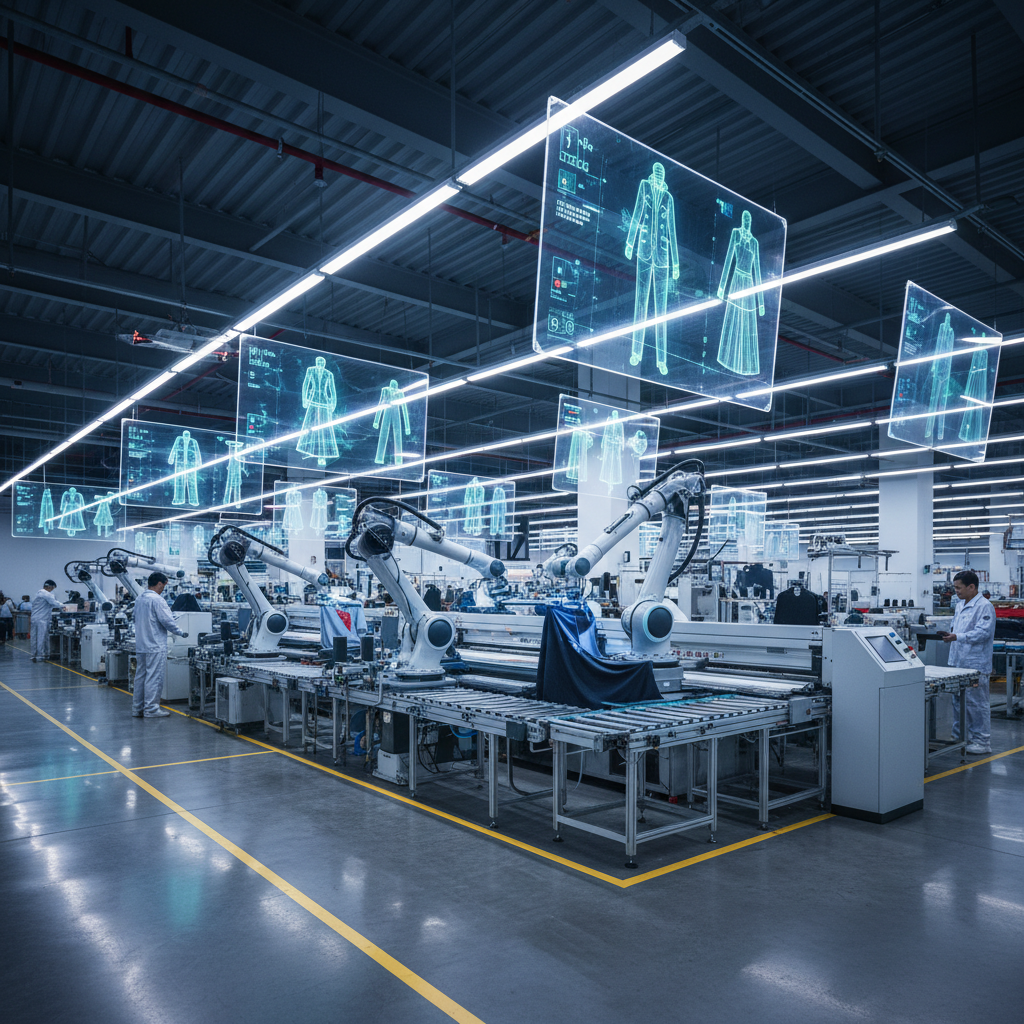
A digital garment goes viral on Douyin at ten in the morning. By lunchtime, an AI has scraped the images, tweaked the pattern, and posted the listing on an online storefront. By nightfall, a highly automated factory in Guangzhou is cutting the first roll of fabric. No human designer ever touched the piece. This is not a futuristic concept. It is the daily reality of East Asia’s new "synthetic retail brands."
The Rise of the Ghost Retailer
These fully automated e-commerce setups are pushing traditional fast fashion out of the spotlight. Traditional brands rely on human designers, trend forecasting agencies, and lengthy supply meetings. Synthetic brands skip all of that. They rely on proprietary machine learning models that monitor social media trends, search queries, and purchase data in real time.
Once the algorithm spots a rising trend, it automatically generates a 3D product render. It then launches a targeted digital ad campaign and lists the item for sale. It does all of this in minutes, without human intervention.
API-Driven Manufacturing on the Factory Floor
The real magic happens where the software meets the sewing machine. In manufacturing hubs like Guangzhou and Hangzhou, small-scale garment workshops have digitized their operations to plug directly into these AI systems.
"We receive production orders directly via API," says Chen Jin, a factory manager in Guangdong province who partners with automated retail networks. Chen’s workshop specializes in ultra-small batches. "An AI might order just ten pieces of a specific top. If those sell within an hour, the system automatically triggers a larger order for five hundred. If they don’t sell, the listing vanishes from the internet."

This on-demand model virtually eliminates the biggest headache in fashion retail: excess inventory. Traditional brands often write off huge financial losses on unsold clothing. Synthetic retailers only produce what the market wants at that exact second.
Shattering Speed Records
To put this in perspective, traditional fashion brands operate on seasonal schedules, designing clothes months in advance. Fast-fashion giants shortened this loop to about seven to ten days. Synthetic brands have shrunken it to under 48 hours. It is an evolutionary leap in retail logistics.
But this relentless speed comes with significant friction, especially regarding intellectual property. Because these AI models scrape images from platforms like Instagram and Xiaohongshu, they frequently clone the work of independent designers. When a machine copies a design, makes minor alterations, and sells it through an anonymous digital storefront, tracking down the culprit is nearly impossible.
The Human Cost and Quality Issues
Quality control is another sticking point. When clothes are designed by algorithms and rushed through micro-factories, consumers often end up with mismatched seams, cheap synthetic fabrics, and inaccurate sizing. Yet, for many younger shoppers who crave instant trend gratification, these shortcomings seem to matter very little. The low prices offset the risk.
The synthetic retail model is already expanding outside of apparel. Analysts expect AI-managed brands to move into home decor, consumer electronics, and cosmetics next. The traditional retail supply chain is being rewritten in real time, and the algorithms are in complete control.