
Digital gift cards are a scammer’s best friend. They are untraceable, liquid, and incredibly easy to move. Once stolen, they are almost impossible to recover. PayPal wants to change that dynamic for good.
The payments giant is preparing to deploy a new AI-driven defense system called “Instant Lock.” Designed specifically to combat high-speed reseller fraud, the feature is scheduled to roll out well ahead of the busy 2026 holiday shopping season.
The Anatomy of the Gift Card Swipe
For years, the mechanics of gift card fraud have remained stubbornly simple but highly effective. Criminals use stolen credentials or hijacked accounts to purchase digital gift cards. They do not hold onto them for long. Instead, they immediately list the redemption codes on secondary peer-to-peer marketplaces at a discount.
By the time the legitimate account holder notices the unauthorized charge and alerts their bank, the gift card has already been sold and drained by an unsuspecting third party. The money is gone. The merchant is left holding the bill for the chargeback, and the consumer faces a digital security headache.
PayPal’s new system intends to disrupt this timeline entirely by attacking the fraudsters’ most valuable asset: time.
“Speed is the fraudster’s greatest asset,” says Marcus Wright, Vice President of Cyber Risk at PayPal. “If they cannot liquidate the card within minutes, their entire business model collapses. Instant Lock takes that speed advantage away.”
How Instant Lock Works
The security feature relies on real-time machine learning models trained on billions of transaction data points. When a user purchases a digital gift card through PayPal, Venmo, or integrated retail partners, the AI instantly evaluates hundreds of risk signals. It looks at typing speed, device signatures, IP locations, and historical purchasing patterns.
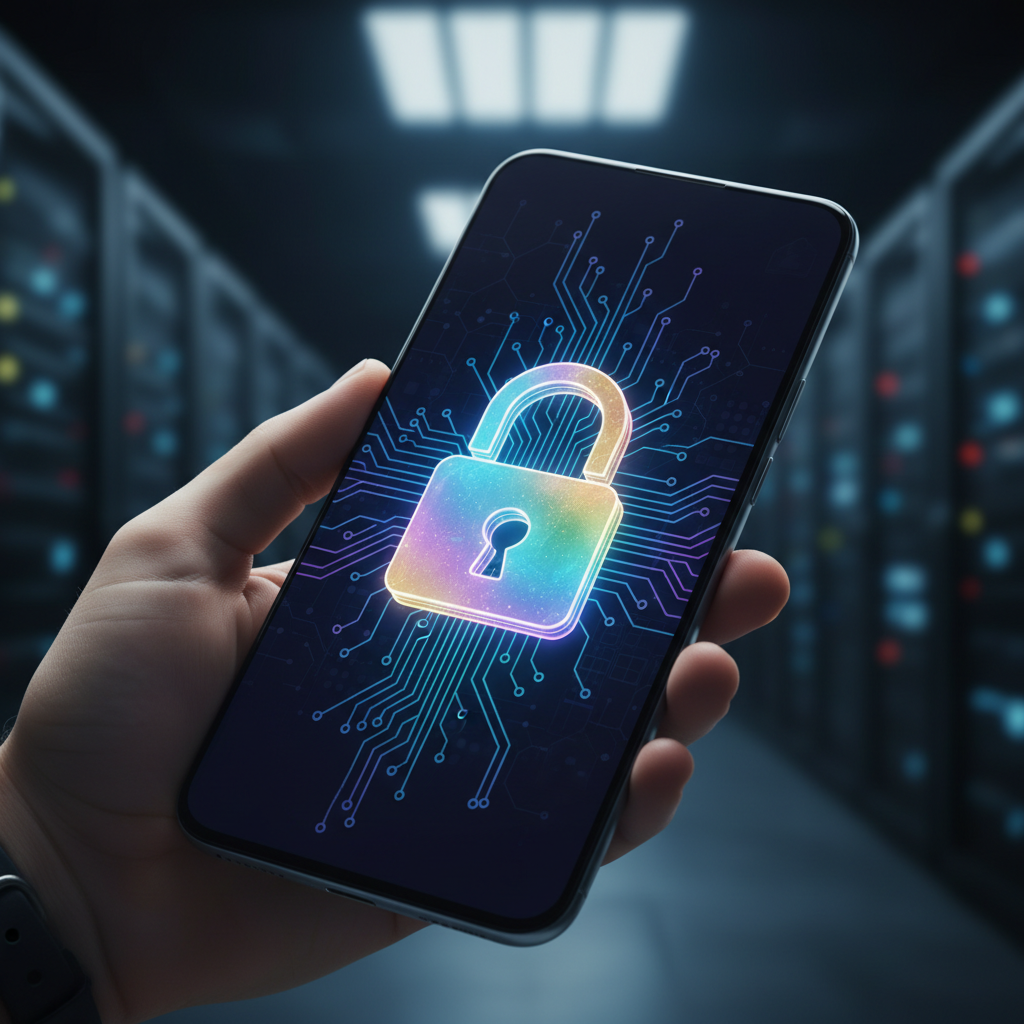
If the transaction triggers high-risk alerts—such as an unusual bulk purchase or a sudden login from an unfamiliar city—the system automatically applies a digital lock to the gift card’s redemption code.

This lock prevents the card from being redeemed or listed on secondary marketplaces. Simultaneously, PayPal sends an urgent verification request to the true account owner. This could be a biometric scan, like FaceID, or a quick push notification on a trusted mobile device.
- If the purchase is verified as legitimate, the lock lifts immediately with no friction.
- If the user flags the purchase as fraudulent, the transaction is instantly reversed.
- The digital card is rendered completely useless before it can ever be resold on a secondary exchange.
A Necessary Shift in E-Commerce Security
Industry experts view this proactive approach as a major shift in how digital assets are protected. Historically, anti-fraud measures have been reactive, focusing on recovering funds after the damage is done.
“Traditional fraud prevention tools are too slow for the digital age,” says Elena Rostova, a retail cybersecurity analyst. “They flag transactions after the card has already changed hands. In the digital gift card space, a delay of five minutes is an eternity. PayPal is attempting to freeze the asset at the point of origin.”
The secondary gift card market has long struggled to police itself. While platforms try to verify the validity of the cards sold on their sites, they often cannot detect if a card was bought with a stolen credit card until the original victim files a claim weeks later. By securing the card at the purchase level, PayPal aims to starve these secondary markets of fraudulent inventory.
Timeline and Consumer Impact
PayPal plans a phased rollout to ensure the system is fully calibrated. Beta testing with select retail partners will begin in July 2026. A wider, global implementation across all PayPal and Venmo accounts is slated for October 2026, just as the winter holiday shopping rush begins to build momentum.
During these peak shopping months, digital gift cards see a massive spike in sales. They are easy last-minute gifts, but that high volume also provides perfect cover for criminal networks. PayPal’s internal projections suggest that Instant Lock could save merchants and consumers hundreds of millions of dollars in chargeback fees during its first year of operation.
Crucially, PayPal claims the new security layer will not annoy everyday users. The company has spent the last year refining its AI algorithms to keep false positives to an absolute minimum.
“Security shouldn’t feel like a punishment for honest shoppers,” Wright says. “Our model works in the background. If you are buying a gift card from your usual phone, you won’t even know Instant Lock is there. But if a bot farm tries to drain your account, they will hit a brick wall.”