
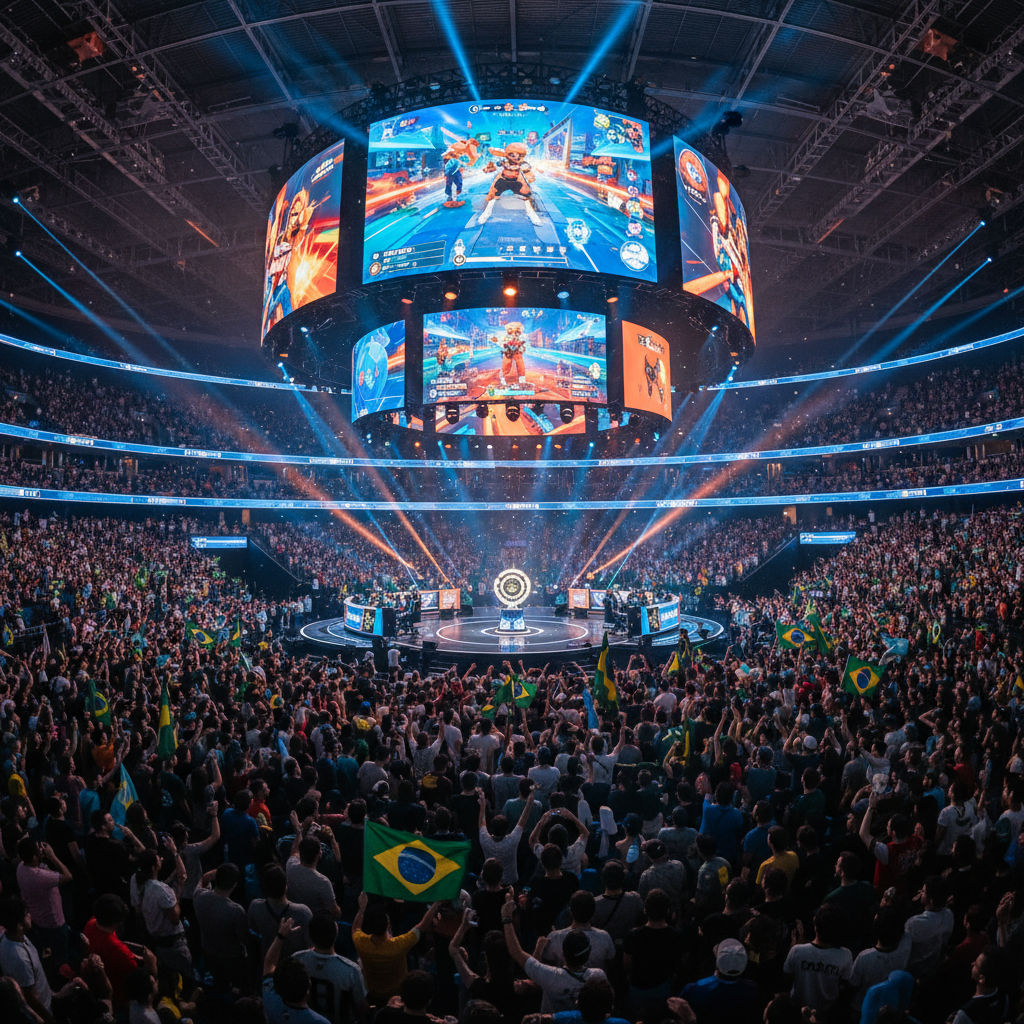
The international elite of mobile battle royale have landed in Rio de Janeiro. Over the last 48 hours, team flights from Jakarta, Bangkok, and Hanoi touched down at Galeão International Airport, marking the official arrival of the Garena Free Fire World Series (FFWS) 2026. Eighteen of the world’s best squads are now adjusting to the Brazilian heat and the intense pressure of a looming tournament that analysts warn will be the most chaotic in the game’s history.
This year, it is not just the venue that has players on edge. It is the rules of engagement.
A series of dramatic character rebalances pushed out by Garena just weeks ago has completely rewritten the competitive playbook. Defensive tactics that once dominated high-stakes lobby play are out. Raw, unrelenting aggression is in. Analysts are calling it a “bloodbath meta,” and the teams that adapt the fastest will walk away with the lion’s share of the multi-million dollar prize pool.
The Death of the Defensive Game
For the past two years, competitive Free Fire has often resembled a chess match. Teams favored passive survival, using defensive shield characters like Chrono or healing supports to stretch out matches and secure placement points. That era is dead. Recent updates have heavily nerfed defensive cooldowns while boosting the mobility and close-quarters lethality of offensive characters like Tatsuya and Wukong.
“The safety net has been ripped away,” says Thiago “Souto” Mendes, a prominent Brazilian esports analyst who has followed the scene since its infancy. “You can’t just hide behind gloo walls and wait for the final circle anymore. If you aren’t initiating the fight, you are going to get run over. The teams that thrive on pure mechanical skill and quick decision-making are going to dominate this stage.”
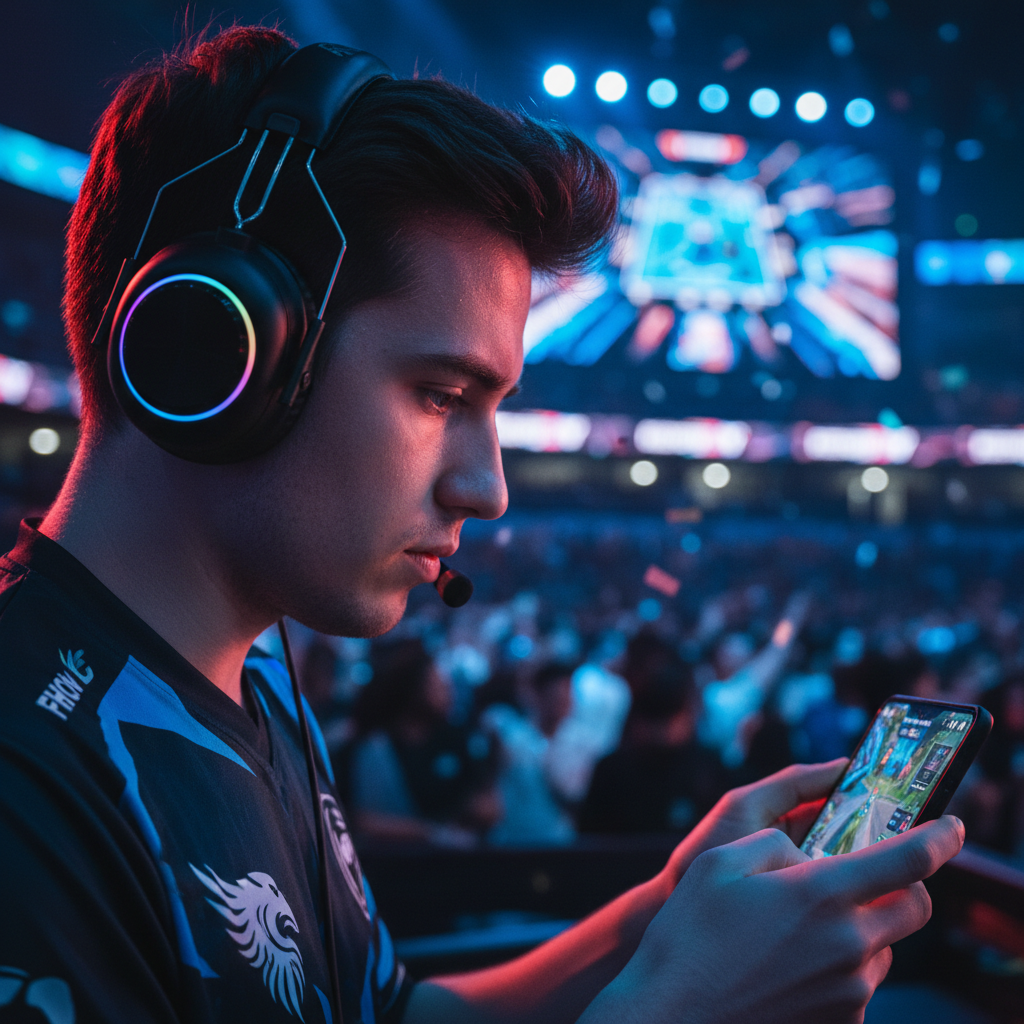
This shift plays directly into the hands of local favorites. Brazil has always been known for its highly aggressive, rush-heavy playstyle. Local powerhouses like LOUD and Magic Squad are already licking their chops. Playing in front of a notoriously loud home crowd only adds to their advantage.
“We feel right at home with this patch,” says Henrique “Yago” Souza, a frontline rusher for one of the Brazilian qualifying teams. “In our region, we love to hunt. Some of the visiting teams prefer to play slow, to control territory. That strategy is going to get them eliminated in the early game here.”
Southeast Asia Retools for Chaos
However, the Southeast Asian giants are not planning to go down easily. Squads from Thailand and Indonesia have historically dominated the global stage with their unmatched coordination. Many of these teams have spent the last month in intense boot camps, retooling their entire strategy to match the fast-paced meta.
“We had to throw out half of our playbook,” admits Arif “DoDo” Pratama, coach for a top-seeded Indonesian roster. “It was painful at first. We lost some scrimmage matches because we were still playing too passively. But my players are fast. We have embraced the chaos now. If Brazil wants a fight, we will give them one.”
The stakes could not be higher. Beyond the massive grand prize, the tournament represents a chance for regional redemption. Thailand has held a tight grip on the global trophy for several seasons, but the combination of Brazilian soil and a hyper-aggressive sandbox environment could finally break their streak.
The tournament format will put these new aggressive strategies to the ultimate test. A grueling knockout stage will weed out the weak before the grand finals take place at the packed Carioca Arena. With matches set to begin later this week, teams have only a few days left to perfect their drop spots and finalize their character combinations. Fans can expect record-breaking kill counts and shorter, more explosive matches. The passive waiting game is over. In Rio, the hunt is on.