
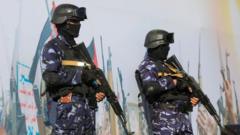
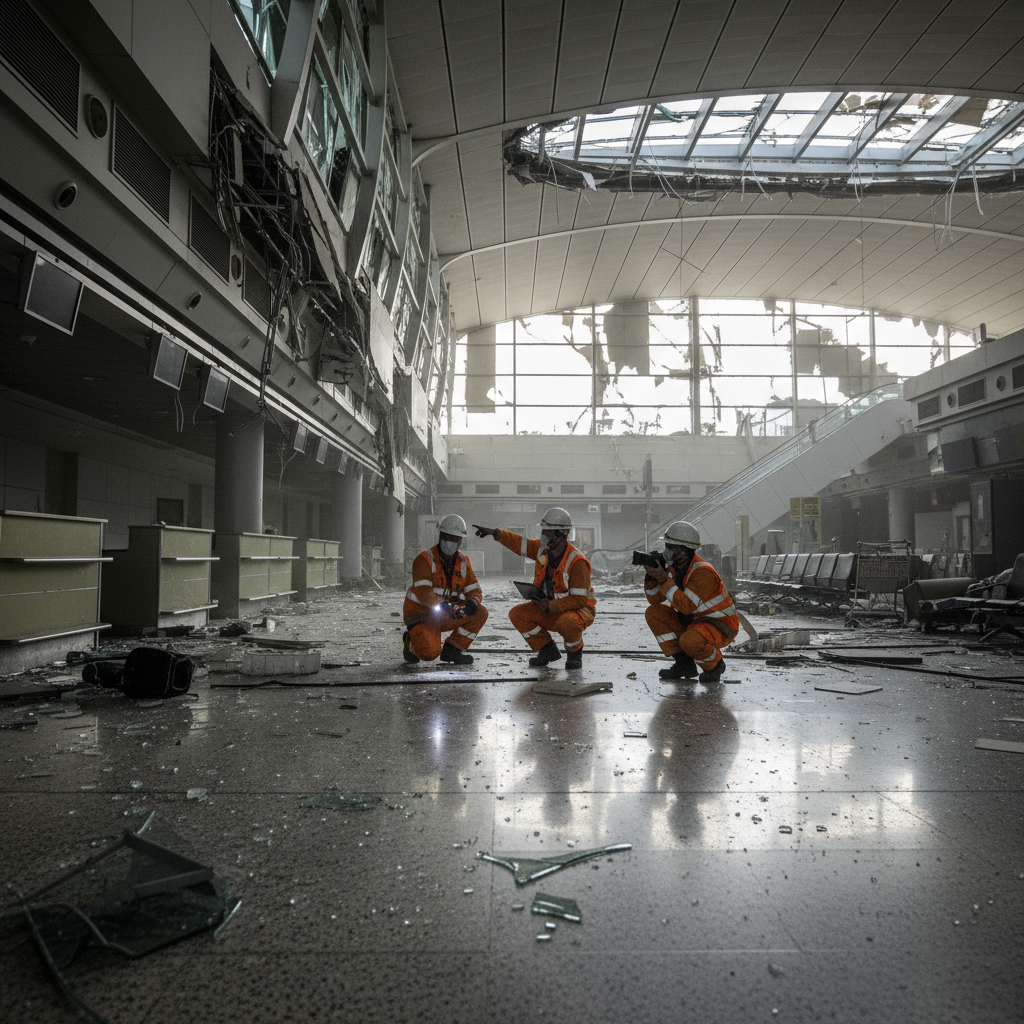
Riyadh’s King Khalid International Airport is normally a bustling, gleaming symbol of Saudi wealth and global connectivity. But recently, it became a battleground. Two back-to-back Houthi strikes have pierced the capital’s air defenses, shattering the illusion of safety in the heart of the kingdom.
The escalation has been swift and bloody. On Saturday, a devastating attack killed 12 people and left more than 300 wounded. The following day, another projectile tore through a passenger terminal, while air defense systems scrambled to intercept a cruise missile nearby. While maintenance crews can quickly patch up the physical damage, the deeper psychological scars on Saudi Arabia’s reputation as a secure, stable business hub will take much longer to heal.
A Relentless Campaign on the Economy’s Soft Underbelly
For over a decade, Yemen has been locked in a brutal civil war. On one side is the internationally recognized government, backed by a wealthy Saudi-led coalition. On the other are the Houthis, a highly organized rebel movement supported by Iran. This prolonged conflict has already claimed tens of thousands of lives and triggered one of the world’s most severe humanitarian disasters. Now, the battlefield is expanding deeper into Saudi territory.
The kingdom possesses one of the most advanced and heavily funded air forces in the Middle East. It has launched countless airstrikes against rebel positions. Yet, the Houthis still control massive portions of Yemen, particularly in the north and west. Blocked on the ground, they have turned to asymmetrical warfare, striking targets designed to cause maximum economic disruption.
They are hitting the soft underbelly. From the border city of Jizan to the vital petrochemical facilities at Khurais, Houthi drones and missiles are hitting their targets with alarming precision. At the same time, their actions along the Red Sea coast and near the strategic Bab al-Mandeb Strait threaten global shipping. Even though the Yemeni government insists it has secured the strait, international maritime companies remain on edge. With the Strait of Hormuz effectively closed due to the unresolved standoff between the United States and Iran, the Red Sea route has become a critical lifeline for global trade.
A Challenge Unlike Any Other
Saudi Arabia is no stranger to security crises. In the mid-2000s, the kingdom defeated a violent al-Qaeda insurgency by running a highly successful domestic hearts-and-minds campaign. Years later, Riyadh navigated the chaotic waves of the Arab Spring, which saw governments collapse in Egypt, Libya, Tunisia, and Yemen. In the past, it even shrugged off direct Iranian ballistic missile strikes. But this current threat feels fundamentally different.
The Houthis have shown they can bypass state-of-the-art defense systems with cheap, mass-produced drones and missiles. By doing so, they are delivering a message not just to Riyadh, but to its international allies.
The American Dilemma
The geopolitical stakes rose dramatically following the weekend’s strikes when it was confirmed that an American citizen was among the dead. The White House, which had previously limited its role to intelligence sharing and deploying military advisers, is now facing intense pressure to react.
U.S. President Donald Trump, re-elected in 2024 on a platform of ending foreign wars, expressed deep anger over the incident. “We just found out about the recent attack, so we’ll make a decision. We move very quickly,” Trump told reporters, hinting at potential military intervention alongside Saudi forces.
But actually launching a new military campaign is highly unlikely, especially with critical U.S. midterm elections looming next month. Washington is already deeply entangled in three separate, unresolved conflicts across the Middle East—in Gaza, Lebanon, and Iran. Dragging American troops into a fourth front in Yemen would be incredibly unpopular with war-weary voters back home.
Without decisive foreign intervention, the path forward looks grim. The war is poised to intensify further, with both sides dug in, before any hope of a fragile truce can emerge.