A New Front in Global Trade Disputes
The European Union’s ambitious plan to tax carbon-heavy imports is turning into a major diplomatic headache. What Brussels frames as a vital tool to fight climate change is being viewed elsewhere as a green-wrapped trade barrier. Emerging manufacturing powerhouses across Asia and Latin America are pushing back hard, warning of retaliatory tariffs and legal battles at the World Trade Organization (WTO).
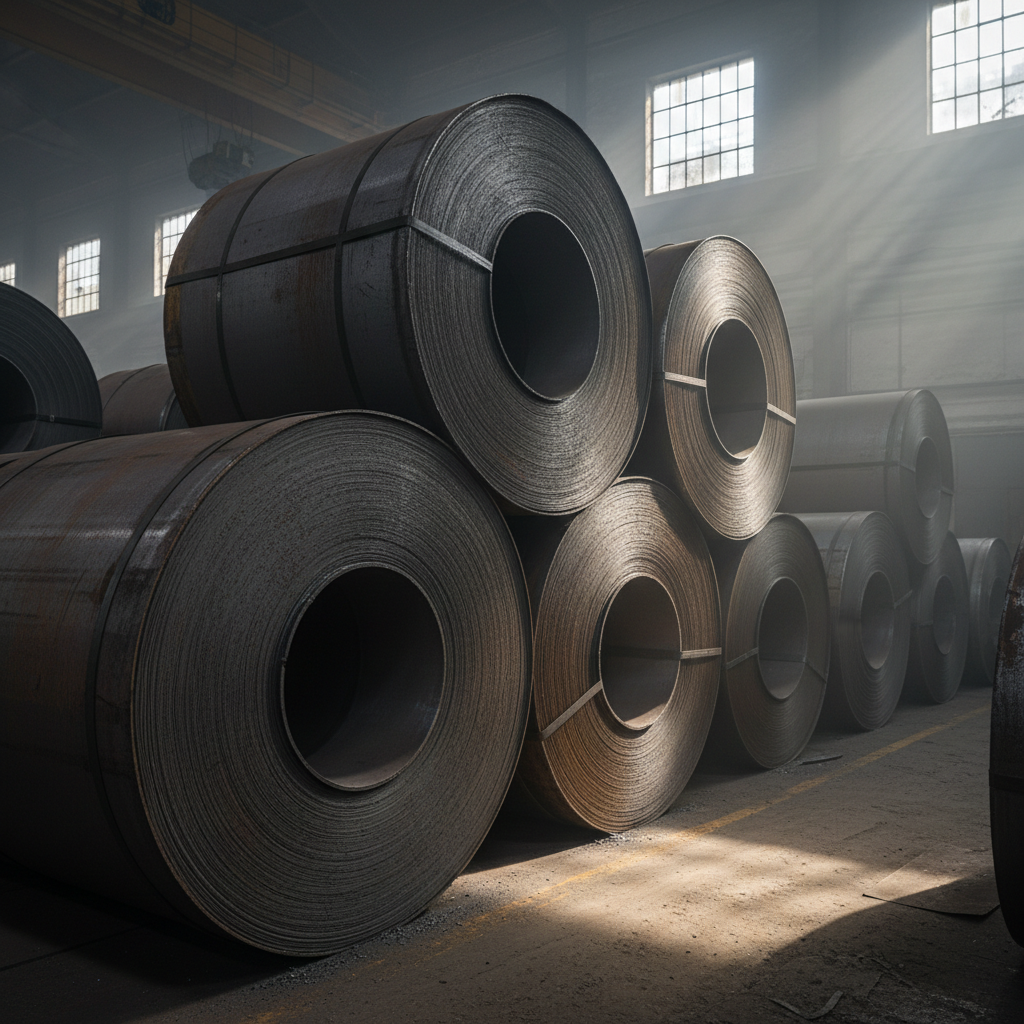
At the center of the storm is the Carbon Border Adjustment Mechanism, or CBAM. Currently in its trial phase, the policy will eventually levy charges on imported goods like steel, cement, aluminum, and fertilizers based on the emissions produced during their manufacture. The goal is to stop European companies from moving production to countries with weaker environmental laws—a process known as carbon leakage.
But countries like India, China, Brazil, and South Africa see things differently. They argue the tax unfairly penalizes developing nations that still rely on fossil fuels to lift millions out of poverty.
Asia and Latin America Sound the Alarm
The opposition is moving from diplomatic grumbling to concrete threats. India, which stands to lose billions in steel and aluminum exports to Europe, is already drafting a counter-strategy. Officials in New Delhi have openly discussed imposing their own carbon taxes on European goods or raising tariffs on selected EU imports if Brussels refuses to offer concessions.
‘We cannot accept a system where our development is penalized to pay for Europe’s historical emissions,’ says an advisor to the Indian commerce ministry, speaking on the condition of anonymity. ‘If our exports face barriers, we will have no choice but to protect our domestic industries with reciprocal measures.’
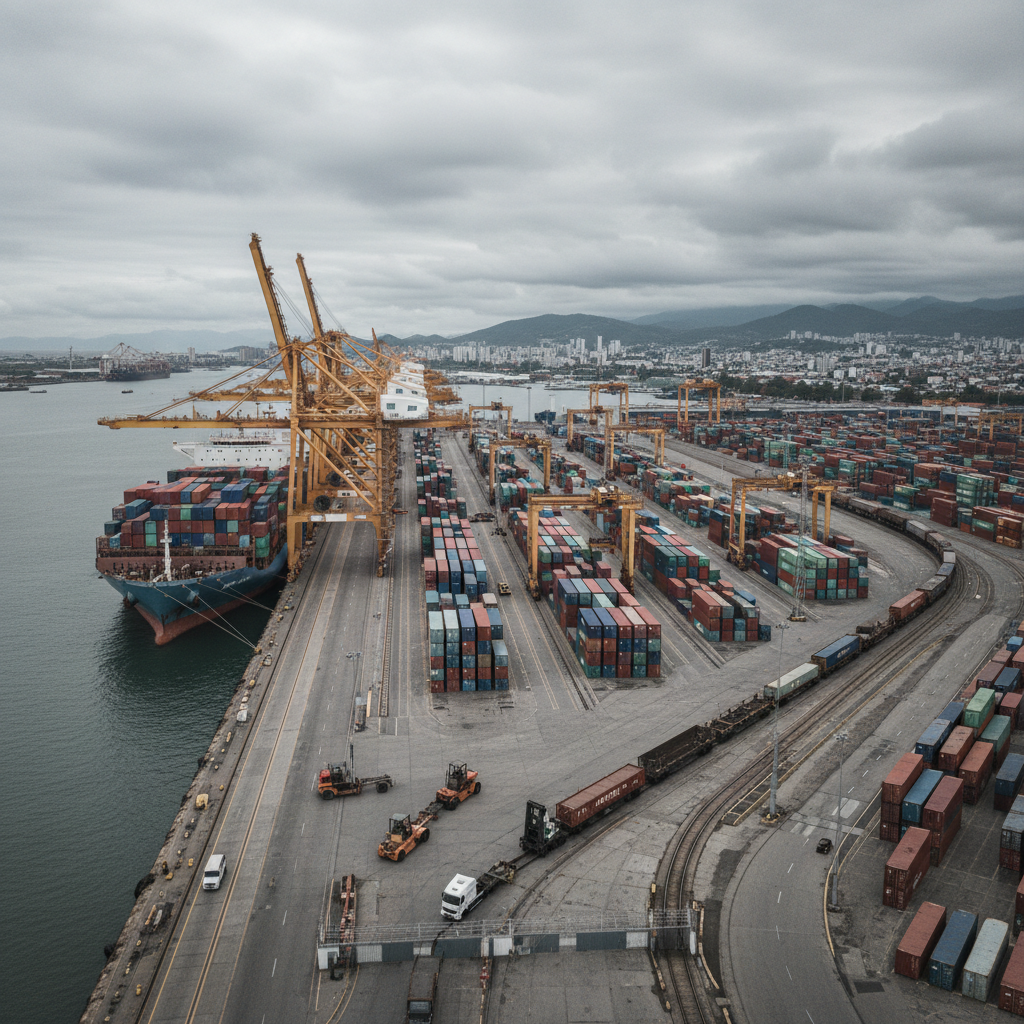
In Latin America, the reaction is equally sharp. Brazil, a major exporter of iron ore and agricultural products, is working with other regional leaders to mount a coordinated defense. Brazilian trade groups argue that CBAM ignores the principle of ‘common but differentiated responsibilities’ established under global climate pacts. This principle dictates that wealthier nations, which historically polluted the most, should bear a heavier financial burden.
The Risk of a Trade War
Economists warn that this standoff could easily spiral into a full-scale trade war. If nations retaliate, global supply chains—already strained by geopolitical tensions—could fracture further. The EU has defended its policy, insisting that CBAM complies with WTO rules because it applies the same carbon price to foreign imports that domestic European factories already pay.
However, critics point out that measuring emissions in complex supply chains is incredibly difficult. For a factory in Vietnam or Mexico, calculating the exact carbon footprint of a steel bar requires expensive auditing. Small and medium enterprises in these countries argue they simply do not have the administrative capacity to comply with the EU’s strict reporting demands.
This administrative burden effectively shuts smaller players out of the European market, further fueling resentment.
The economic stakes are massive. Developing economies have spent decades building manufacturing hubs geared toward Western buyers. Now, they face a sudden shift in the rules of global commerce. Industry leaders in places like South Africa fear that the cost of compliance alone could wipe out their profit margins. This has led to accusations of green protectionism, with trade ministers arguing that the EU is using environmental goals to shield its own domestic industries from foreign competition.
Looking Ahead to 2026
The clock is ticking. The transitional phase, during which importers only have to report emissions without paying, ends in 2026. After that, the actual financial penalties begin.
Negotiators from the affected blocs are still hoping to reach a compromise. Some are pushing for exemptions for countries that have their own domestic carbon pricing schemes, while others want the EU to channel the revenues collected from the tariff back to developing nations to help them transition to green energy. But Brussels has shown little sign of backing down, setting the stage for a tense showdown at the next WTO meeting.
The EU’s trading partners are not standing still. A coalition of developing countries is already lobbying for a system of mutual recognition. They want the EU to acknowledge local environmental regulations, even if they do not match the European model exactly. Whether Brussels will agree to such compromises remains highly uncertain, as any dilution of the rules could face legal challenges from European manufacturers who feel they are being left at a disadvantage.
Ultimately, the dispute highlights a deep global divide. While Europe tries to export its green standards through economic pressure, the rest of the world is signaling that it will not be forced into a transition on anyone else’s terms.