For nearly half a century, the global economy followed a familiar, reliable rhythm. When consumers in New York, London, or Frankfurt spent money, factories in Dhaka hummed, call centers in Manila buzzed, and software parks in Bengaluru hired. Wealthy nations consumed; developing nations produced, using cheap labor to climb the ladder toward middle-income prosperity.
That engine has stalled.
As we head into the final months of 2026, a quiet but devastating economic decoupling is underway. Powered by highly autonomous AI agents and localized, robotic manufacturing, advanced economies are seeing their productivity surge. Yet, for the first time in modern history, this domestic boom is not pulling the rest of the world along with it. The historic link between Western demand and Global South labor is breaking.
The Ghost Towns of Outsourcing
The shift is visible in places like Manila’s business districts. For two decades, the Philippines built a massive economic pillar on business process outsourcing (BPO). Today, those glittering office towers are half-empty.
The culprit is not a drop in Western consumer demand, but rather the rapid maturity of voice-to-voice generative AI. Over the last eighteen months, US companies have integrated highly empathetic, low-latency AI agents that can handle complex customer inquiries for pennies on the dollar. The financial math is brutal. A service that once cost $10 an hour for a human worker now costs $0.10 an hour in cloud computing fees.
It is a similar story in India’s IT corridors. Entry-level software engineering jobs, once the ultimate ticket to the middle class for millions of graduates, have evaporated. Generative AI tools now write, debug, and deploy routine code instantly. Senior developers oversee these systems, but the vast army of junior programmers is no longer needed.
The Reshoring of the Physical World
This decoupling is not confined to knowledge work. Physical manufacturing is undergoing its own quiet revolution.
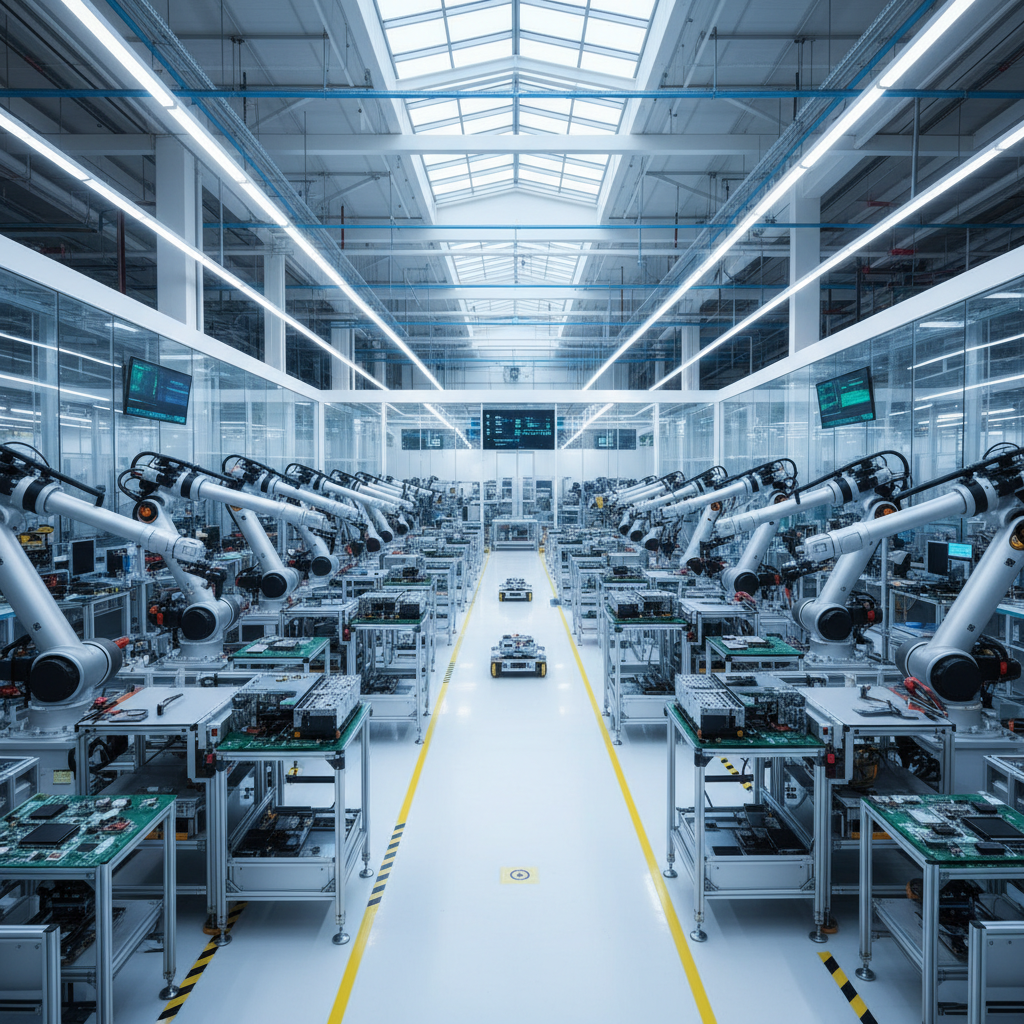
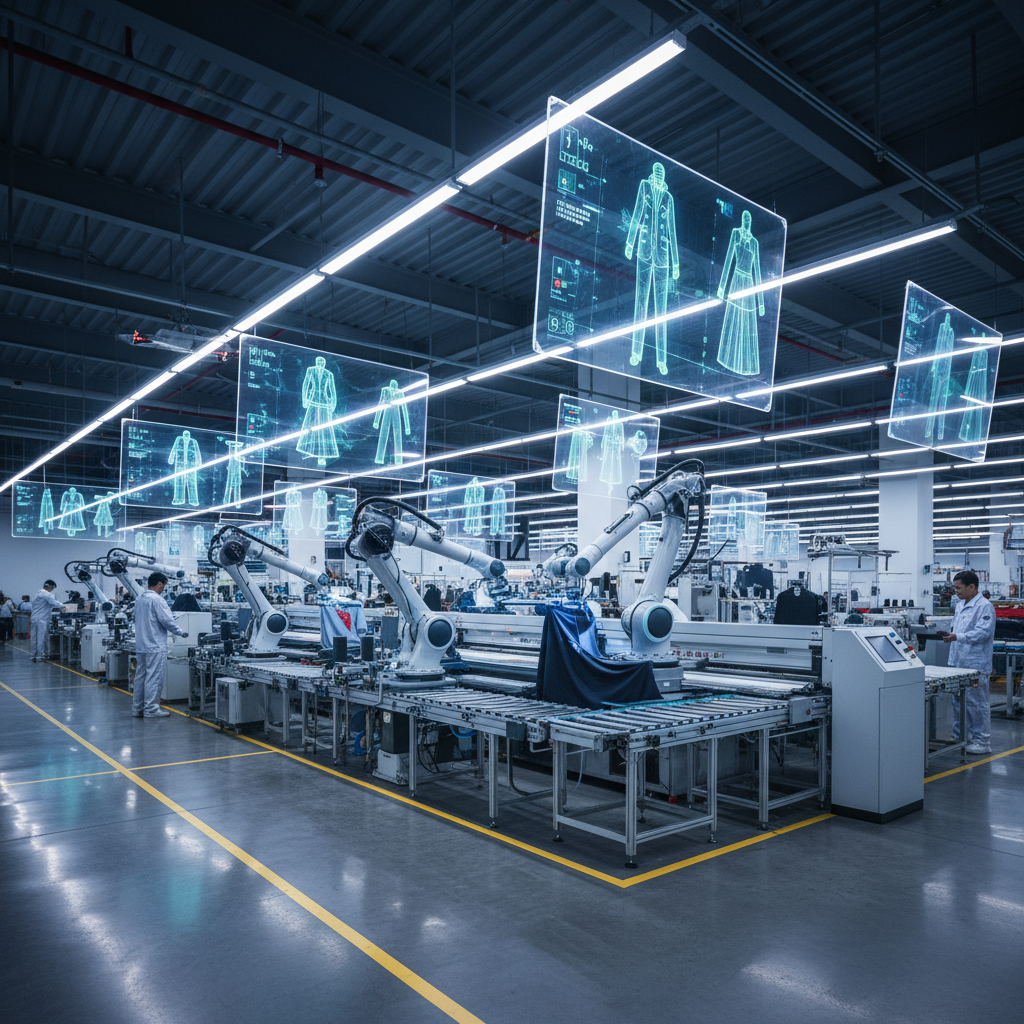
Historically, textile and electronics companies tolerated long shipping times and geopolitical risks to chase low wages in East Africa or Southeast Asia. But the latest generation of flexible, AI-driven robotics has changed the equation. These machines require very little human supervision and can adapt to new product designs with simple software updates.
Western brands are bringing their production back home, placing automated micro-factories closer to their primary consumer markets. Shipping costs disappear. Carbon footprints shrink. Supply chains become immune to global blockades. But for countries like Bangladesh or Vietnam, the loss of these manufacturing contracts threatens to wipe out decades of economic progress.
The Ladder Has Been Pulled Up
“We are looking at a structural trap,” says Dr. Aruna Sen, an international development economist at the New Delhi Policy Institute. “In the past, poor countries could trade cheap labor for capital. They used that capital to build infrastructure and educate their populations. If labor is no longer a competitive advantage, how does a developing nation enter the global market?”
A recent World Bank policy brief from October 2026 highlights this growing chasm. The report notes that while OECD nations are projected to grow by an average of 3.8% this year due to AI-driven efficiencies, emerging markets—excluding China—are lagging at just 1.2%. More concerning is the decline in foreign direct investment (FDI) toward labor-heavy industries, which has plunged by 24% over the past two years.
A Search for New Solutions
Faced with this new reality, leaders in the Global South are scrambling for alternative economic models. Some are pushing for domestic consumption, trying to build internal markets to replace Western buyers. Others are lobbying for “compute redistribution” or global AI taxes, arguing that the technological gains built on globally scraped data should be shared.
But these efforts face steep structural hurdles. Running state-of-the-art AI models requires immense energy grids and massive capital investments—two things many developing nations sorely lack. While the Global North enters an era of automated abundance, much of the rest of the world faces a cold, jobless transition.
The promise of the digital age was a flat world where opportunity could sit anywhere. In late 2026, the reality looks far more fractured. The gap between those who own the code and those who used to do the work has never been wider.