
Money has rarely been this expensive for African governments. For nearly a decade, cheap international cash flowed freely into emerging economies. Governments eager to build roads, power grids, and schools tapped international bond markets at historic rates. But the era of easy money is over. Today, a wall of maturing debt is colliding with stubbornly high global interest rates, triggering a quiet but severe refinancing crisis across Sub-Saharan Africa.
The High Cost of Borrowing
The root of the problem lies far from the continent. To tame inflation at home, the US Federal Reserve and other major central banks pushed interest rates to multi-decade highs. While those policies have started to cool domestic inflation in Western capitals, they have sent shockwaves through developing economies. For African nations, the consequences are twofold: borrowing new money has become prohibitively expensive, and the surging US dollar has made servicing existing foreign debt significantly more costly.
Refinancing is no longer an easy, routine transaction. When countries went to the markets ten years ago, they could secure Eurobonds at manageable interest rates of 4% to 6%. Today, any new bond issuance would likely demand double-digit yields. For many cash-strapped governments, those rates are simply too high to justify. They are effectively locked out of international capital markets.
A Wall of Maturing Eurobonds
This market freeze could not have come at a worse time. A massive wave of Eurobonds is maturing over the next few years. Countries must find ways to pay back billions of dollars in principal, but they lack the cheap refinancing options they once relied on.
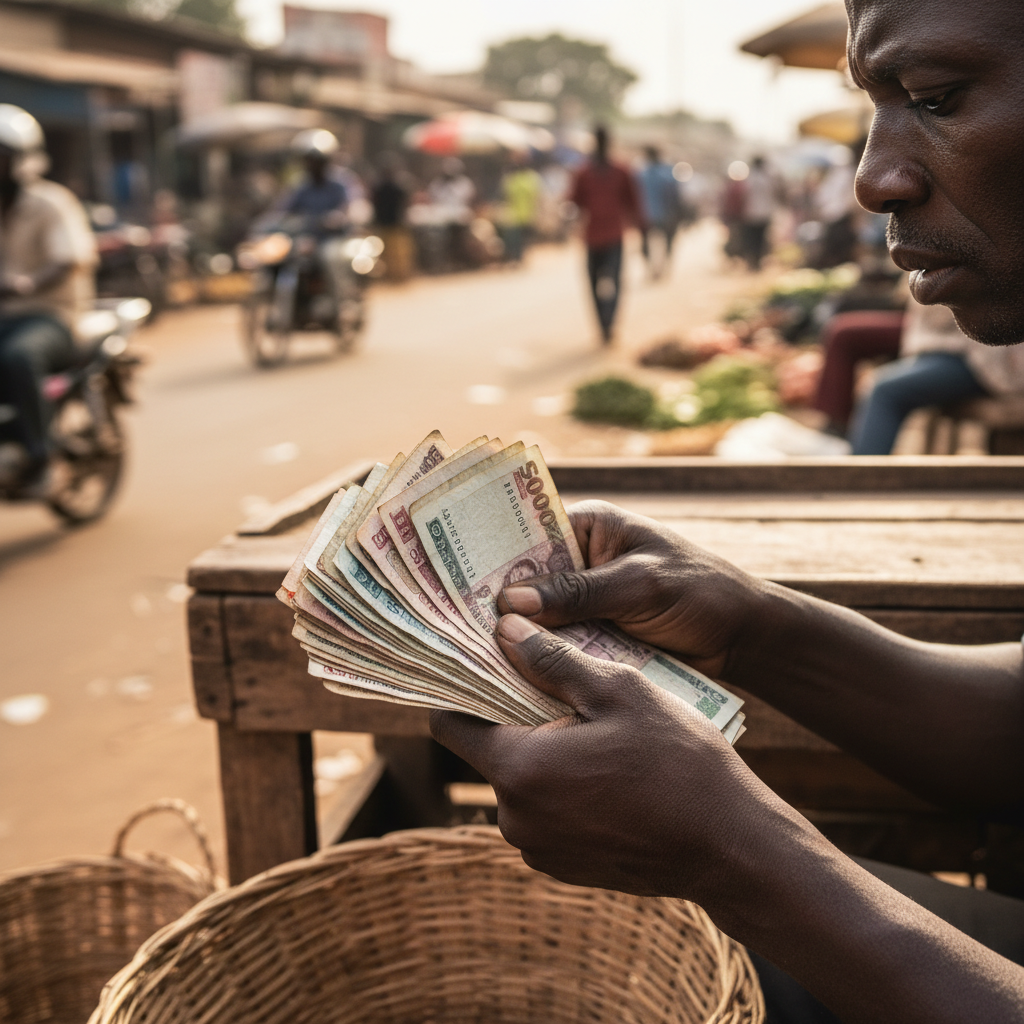
Kenya recently had to navigate a high-stakes repayment of a $2 billion Eurobond. To avoid a chaotic default, the government ended up issuing a new bond at a painful 10.37% interest rate. While Nairobi averted immediate disaster, the high interest rate means the country will be paying a heavy price for years to come. Other nations face even tougher choices. Zambia, Ethiopia, and Ghana have already defaulted on their debts, entering long, complex restructuring negotiations that have dragged on for years, stalling domestic economic growth.
The Real-World Toll
This is not just a spreadsheet problem for central bankers. The debt squeeze has direct, painful consequences for regular citizens. When a government must spend a massive chunk of its revenue just to pay interest on foreign loans, other priorities get pushed aside.
- Public healthcare systems are losing funding.
- Infrastructure projects, from highway expansions to clean water plants, have ground to a halt.
- Domestic currencies are sliding against the dollar, driving up the cost of imported food and fuel.
The International Monetary Fund (IMF) warns that interest payments now consume more than 20% of government revenues in several Sub-Saharan nations. In some extreme cases, that figure is much higher. It is a fiscal trap: governments are running just to stand still, pouring vital tax revenues into foreign debt service rather than investing in their own people.
No Quick Fixes in Sight
The path forward is incredibly narrow. Local domestic debt markets are not deep enough to absorb these massive financing needs without crowding out local businesses. Meanwhile, emergency aid from global lenders like the IMF and the World Bank comes with strict strings attached, often requiring deep spending cuts that can trigger domestic protests.
For years, the standard playbook for African debt was simple: roll it over and keep growing. But with global interest rates likely to remain higher for longer, that playbook is broken. African finance ministers now face a grinding reality of tough negotiations, painful domestic budget cuts, and a constant search for scarce capital. The era of easy growth on borrowed money has ended, replaced by a difficult transition toward fiscal survival.