Silicon Saxony’s New Anchor
Dresden is preparing for a massive industrial shift. By late 2026, the European Semiconductor Manufacturing Company (ESMC)—a joint venture led by Taiwan Semiconductor Manufacturing Co. (TSMC)—is scheduled to begin operations. For Europe’s major automakers, this is not just another factory opening. It is a strategic shield. The memory of the pandemic-era chip shortage still haunts executive boardrooms in Munich, Stuttgart, and Wolfsburg. Back then, missing microchips worth just a few dollars halted multi-million-dollar production lines. The Dresden fab is designed to ensure that never happens again.
The project is a heavy-duty alliance. TSMC holds a dominant 70% stake in the venture, while European chip stalwarts Bosch, Infineon, and NXP each hold 10%. With a total investment price tag topping €10 billion—heavily backed by German state subsidies approved under the EU Chips Act—this facility represents Europe’s most ambitious bid for silicon sovereignty. It marks a fundamental departure from relying entirely on foundries in Taiwan and South Korea.
Reshaping the Automotive Supply Chain
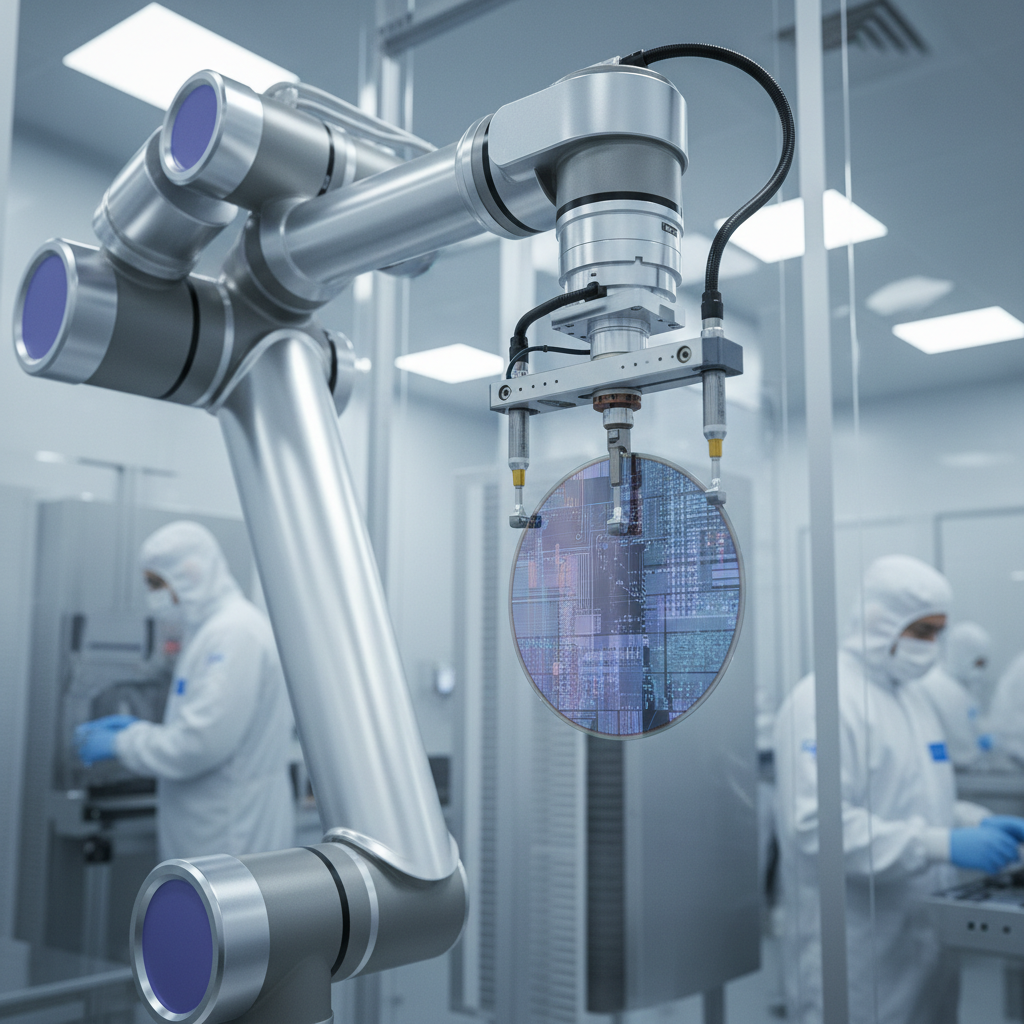
The Dresden facility will not build the ultra-advanced, sub-3-nanometer processors found in the latest smartphones. Instead, it will focus on 28/22-nanometer and 16/12-nanometer planar and FinFET silicon. These are the workhorse chips of the automotive industry. They run the microcontrollers, manage power distribution, handle sensor inputs, and power advanced driver-assistance systems (ADAS). They are the nervous system of modern vehicles, especially electric ones.
By localizing this production, European automakers can bypass vulnerable maritime shipping routes. No more waiting on ships stuck in the Suez Canal or worrying about geopolitical flare-ups in the Taiwan Strait. This shifts the entire supply chain logic from “just-in-time” to “just-in-case.” Car brands can collaborate directly with a local foundry, shortening development cycles for next-generation electric vehicles. The physical proximity means a German engineer can drive to the fab in a few hours rather than board a twelve-hour flight to Hsinchu.
Shifting Valuations and Investor Sentiments
The financial markets are already reacting to this geographic realignment. Investment analysts are adjusting their long-term valuations of European semiconductor firms and automotive giants. For years, European chipmakers like Infineon and NXP traded at a discount compared to their fabless American peers because of the high capital expenditures required to run European manufacturing. That math is changing.
With TSMC absorbing the bulk of the operational risk and capital expenditure in Dresden, its European partners gain guaranteed access to state-of-the-art local capacity without breaking their own balance sheets. This asset-light manufacturing strategy is driving fresh optimism. Investors are beginning to price in more stable, predictable margins for European auto suppliers who no longer have to pay premium spot-market prices for emergency chip shipments during supply squeezes.
At the same time, the valuation of localized equipment suppliers and chemical providers in Saxony is surging. Companies that supply high-purity gases, silicon wafers, and specialized cleanroom services are seeing their order books fill up years in advance. Dresden’s local tech ecosystem is no longer a regional cluster; it is becoming a global heavyweight.
The Local Roadblocks: Power and People
But the road to late 2026 is not without obstacles. Building a fab is one thing; running it efficiently in Western Europe is another. Germany is currently grappling with high energy costs, a persistent headache for power-hungry industries like semiconductor manufacturing. A single modern fab consumes as much electricity as a medium-sized city. If energy prices spike again, the cost advantage of domestic production could quickly evaporate.
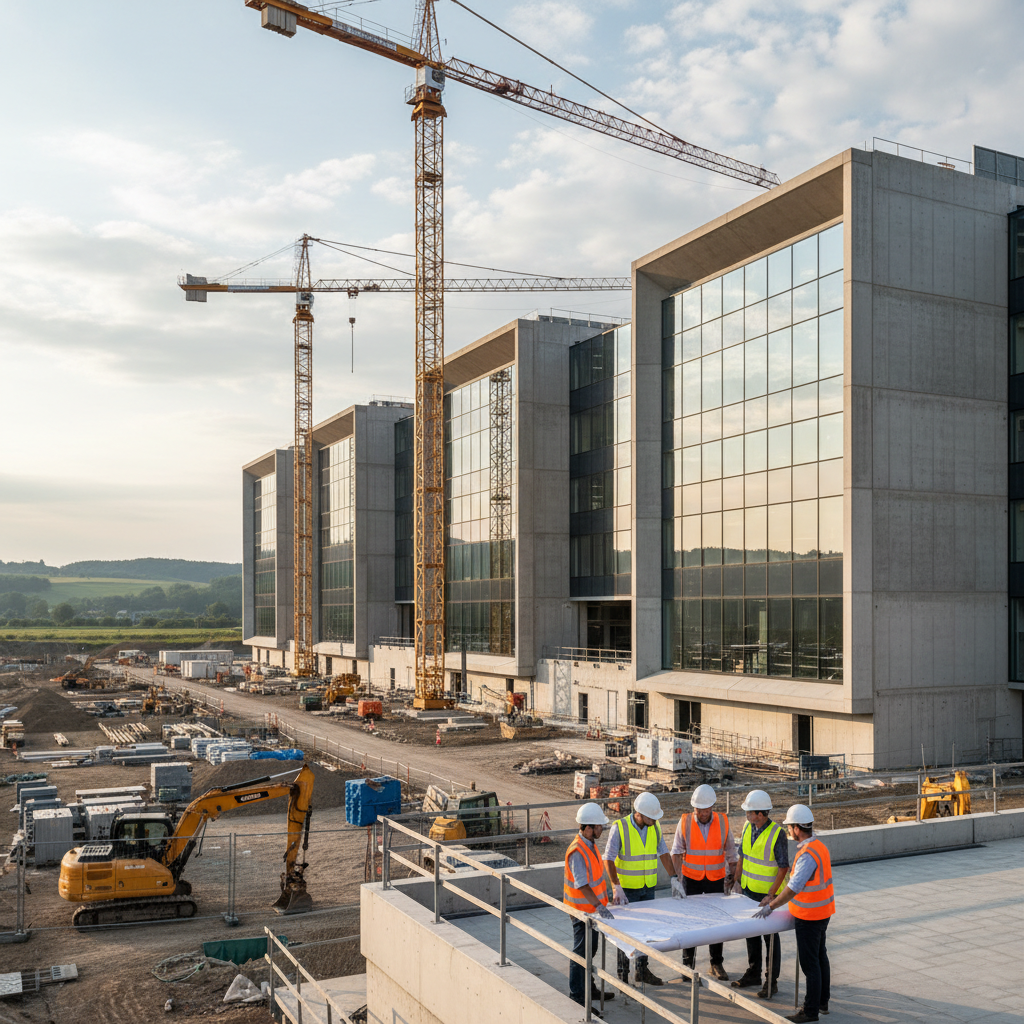
Then there is the labor shortage. Saxony needs thousands of specialized engineers, cleanroom technicians, and logistics experts to run the ESMC site. Germany’s domestic talent pipeline is tight, and local universities cannot graduate engineers fast enough to meet the sudden demand. This has triggered a quiet talent war, with companies poaching staff from one another and looking abroad to fill critical roles.Despite these hurdles, the momentum behind the Dresden project remains unstoppable. The political and economic cost of failing to secure a domestic chip supply is simply too high. As construction continues, the European automotive industry is watching closely. The late-2026 launch will not just change how cars are built—it will change who holds the power in global technology manufacturing.