The global race for the ultimate electric vehicle battery is about to hit a critical turning point. Toyota Motor Corp. has quietly locked in a target date. By the final quarter of 2026, the Japanese auto giant plans to launch its first commercial electric vehicles powered by solid-state batteries. It is a massive gamble. For years, Toyota faced harsh criticism for lagging behind in the EV transition, preferring to stick with its highly profitable hybrids. Now, the company aims to leapfrog the entire industry.
The Threat to Chinese Hegemony
The target of this offensive is China. Currently, Chinese manufacturers control roughly two-thirds of the global EV battery supply chain. Giants like CATL and BYD have perfected the liquid lithium-ion battery, driving production costs down to levels Western and Japanese competitors struggle to match. However, liquid batteries are reaching their physical limits. They’re heavy, charge slowly in cold weather, and carry a persistent, albeit small, risk of catching fire. Solid-state technology replaces the volatile liquid electrolyte with a solid material. That change promises to fix almost every major drawback of modern electric cars.
A Bold Technological Leap
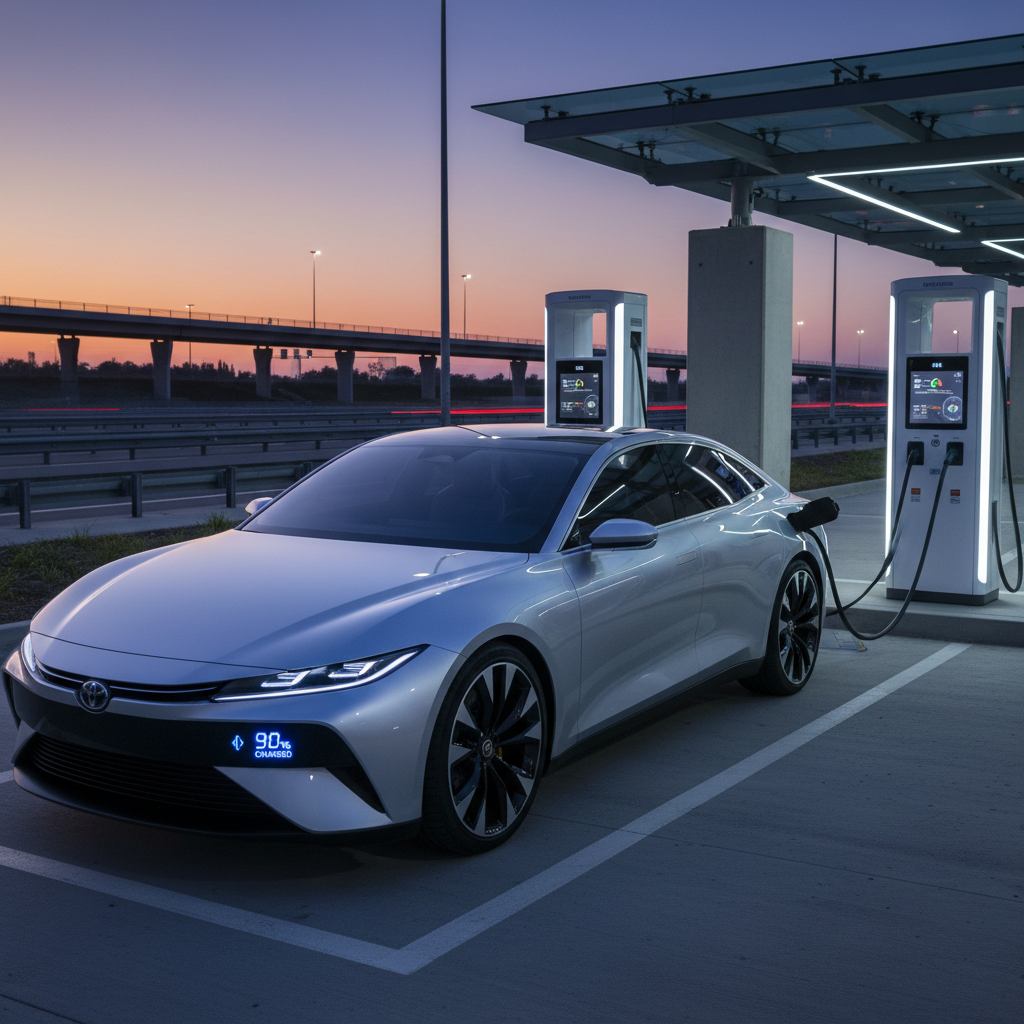
Toyota’s claims are bold. The automaker says its initial solid-state batteries will offer a driving range of more than 620 miles—about 1,000 kilometers—on a single charge. Even more impressive is the charging speed. Drivers could juice up their cars from 10% to 80% in just ten minutes. That’s comparable to a traditional gas station stop. If Toyota can deliver on these promises, the convenience factor of electric cars changes overnight. Range anxiety could quickly become a relic of the past.
Breaking the Scaling Bottleneck
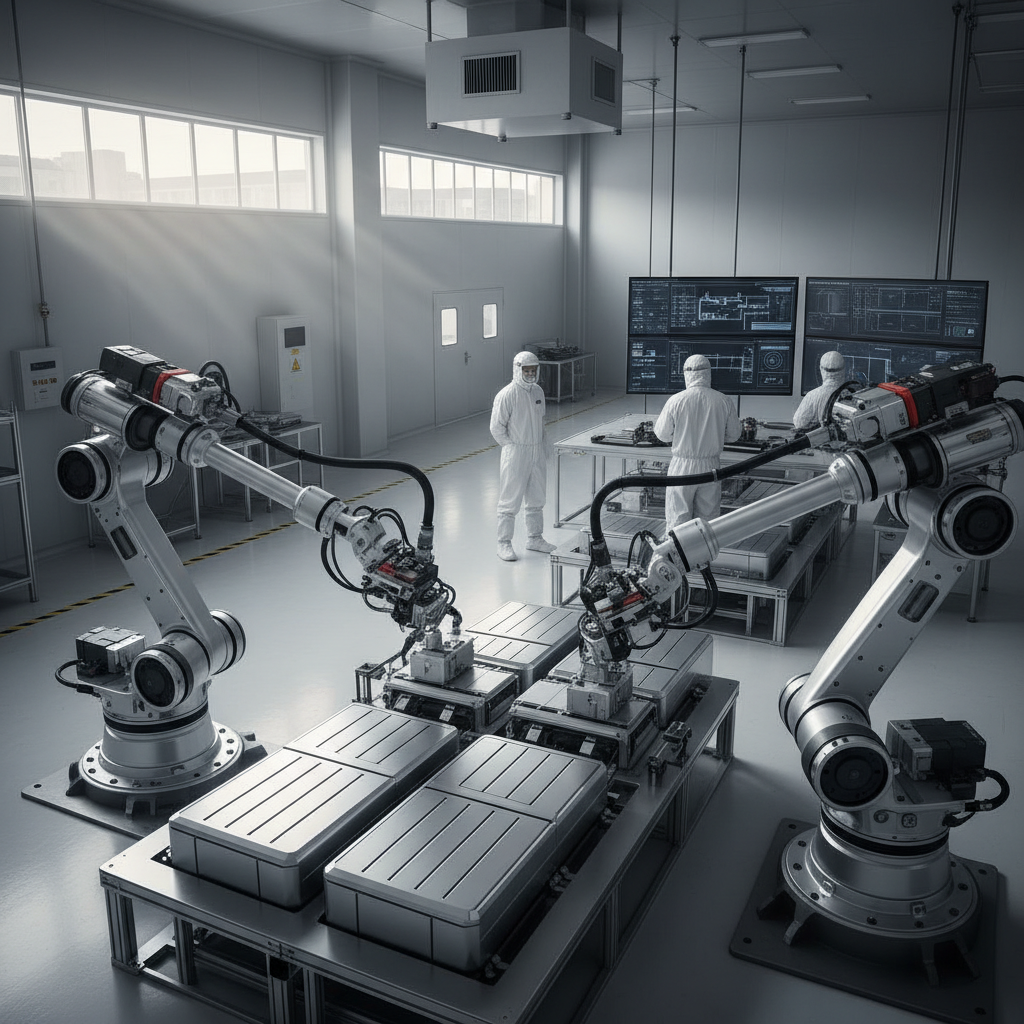
But building a working prototype is the easy part. Mass-producing them is a logistical nightmare. Solid electrolyte materials are notoriously fragile, highly sensitive to moisture, and prone to tiny cracks called dendrites that can short-circuit the battery. To solve this, Toyota partnered with Japanese oil refining giant Idemitsu Kosan. Together, they are developing solid sulfide electrolytes, aiming to build a pilot facility to iron out the manufacturing wrinkles before the late 2026 launch. They need to turn a delicate laboratory science project into a rugged, high-volume industrial process.
Beijing is watching closely. China’s dominance in the current battery sector is not just commercial; it is geopolitical. Chinese firms have secured vast monopolies over the mining and refining of raw materials like lithium, cobalt, and nickel. Solid-state batteries still require lithium, but their different material needs could shift global supply chain power dynamics. China is not sitting idle. A state-backed coalition of Chinese battery makers, including CATL, recently formed to fast-track their own solid-state research. They don’t intend to yield their market crown easily.
A Volatile New Era for EVs
Other competitors are also in the hunt. Samsung SDI, Nissan, and Honda are all working on solid-state projects, but Toyota’s Q4 2026 timeline puts it at the front of the pack. Still, some industry analysts remain deeply skeptical. History is littered with broken promises regarding solid-state technology. The breakthrough has been “five years away” for nearly two decades.
“It is one thing to build a working prototype in a cleanroom,” says industry analyst Kenji Suzuki. “It is a completely different beast to build hundreds of thousands of units annually with zero defects.” Initially, Toyota’s solid-state EVs will likely be high-end, low-volume models. The real test will be whether they can bring costs down to match mass-market liquid-electrolyte cars by the turn of the decade.
The stakes could not be higher for Toyota. The company’s long-term survival in an increasingly electric global market may hinge on this rollout. If successful, they won’t just catch up to Tesla and BYD; they’ll redefine the rules of the entire industry. The countdown to late 2026 has officially begun, and the global battery war is about to enter its most volatile phase yet.