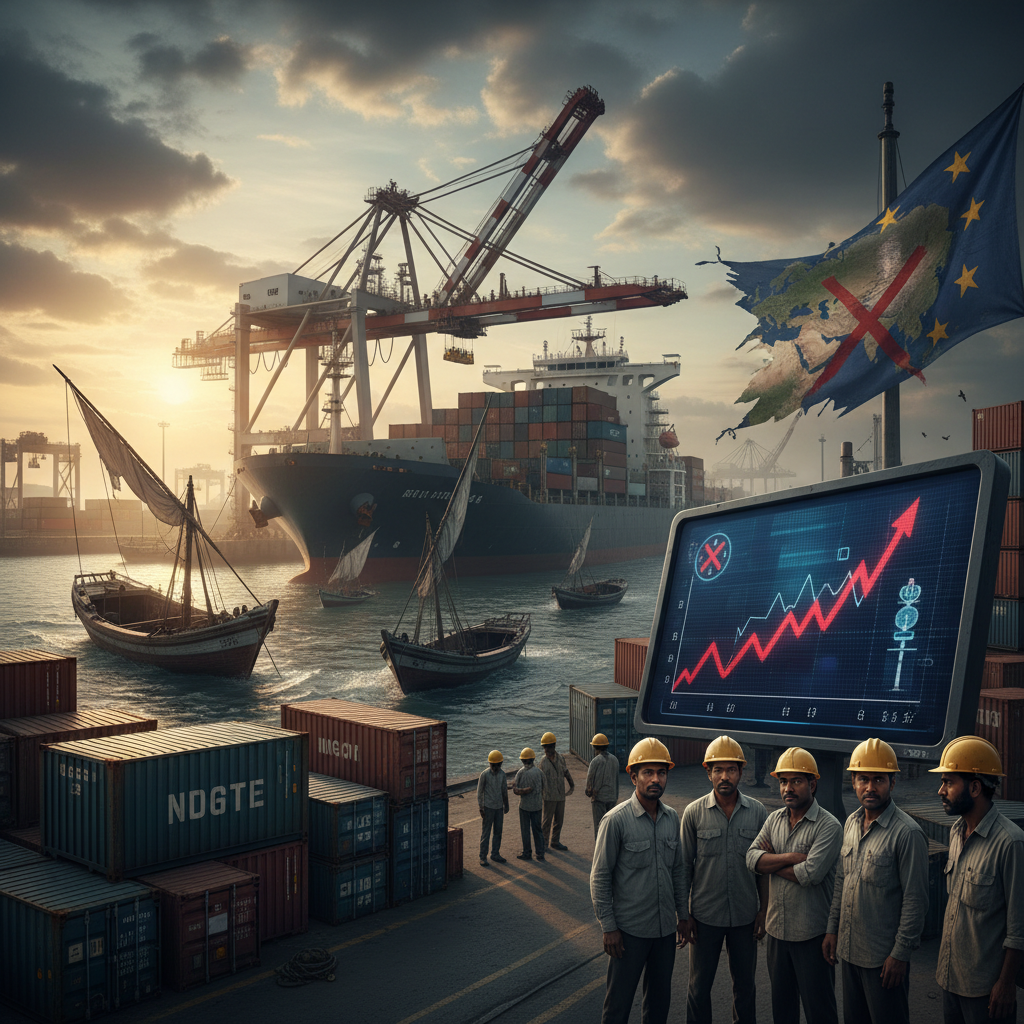
The European Union is about to redraw the map of global trade, and factories across South Asia are starting to feel the chill. Starting in October 2026, Brussels will expand its Carbon Border Adjustment Mechanism (CBAM). This policy essentially slaps a tariff on carbon-intensive imports. While the EU frames it as a vital tool to fight climate change, exporters in India, Bangladesh, and Pakistan see a different reality. To them, it looks like a massive trade barrier.
The timing could not be worse. South Asian manufacturers are already wrestling with high energy costs and shifting post-pandemic supply chains. Now, they must navigate a complex web of European green regulations or risk losing access to one of their most lucrative consumer markets.
The Burden of Compliance
Under the expanded rules, the carbon tax will no longer apply only to raw materials like steel, cement, and aluminum. The October 2026 expansion drags downstream products, certain organic chemicals, and plastics into the net.
For India’s sprawling manufacturing sector, this is a direct hit. Indian steel and chemical plants still rely heavily on coal-fired power grids. “The cost of compliance is going to be brutal,” says Amit Sen, a trade analyst at the Delhi-based Centre for Progressive Regulation. “We are talking about an effective tariff of 20% to 35% on some metal and chemical exports. Many mid-sized firms simply won’t survive that margin squeeze.” Sen estimates that Indian exporters could lose upwards of $4 billion in annual trade if they cannot clean up their production methods quickly.
An Unequal Playing Field
It is not just India that is sweating. In Bangladesh, industrial exporters are scrambling to assess the damage. While the country’s famous garment sector is exempt for now, the ancillary industries that support it—like packaging, synthetic polymer factories, and localized metalworking—are not.
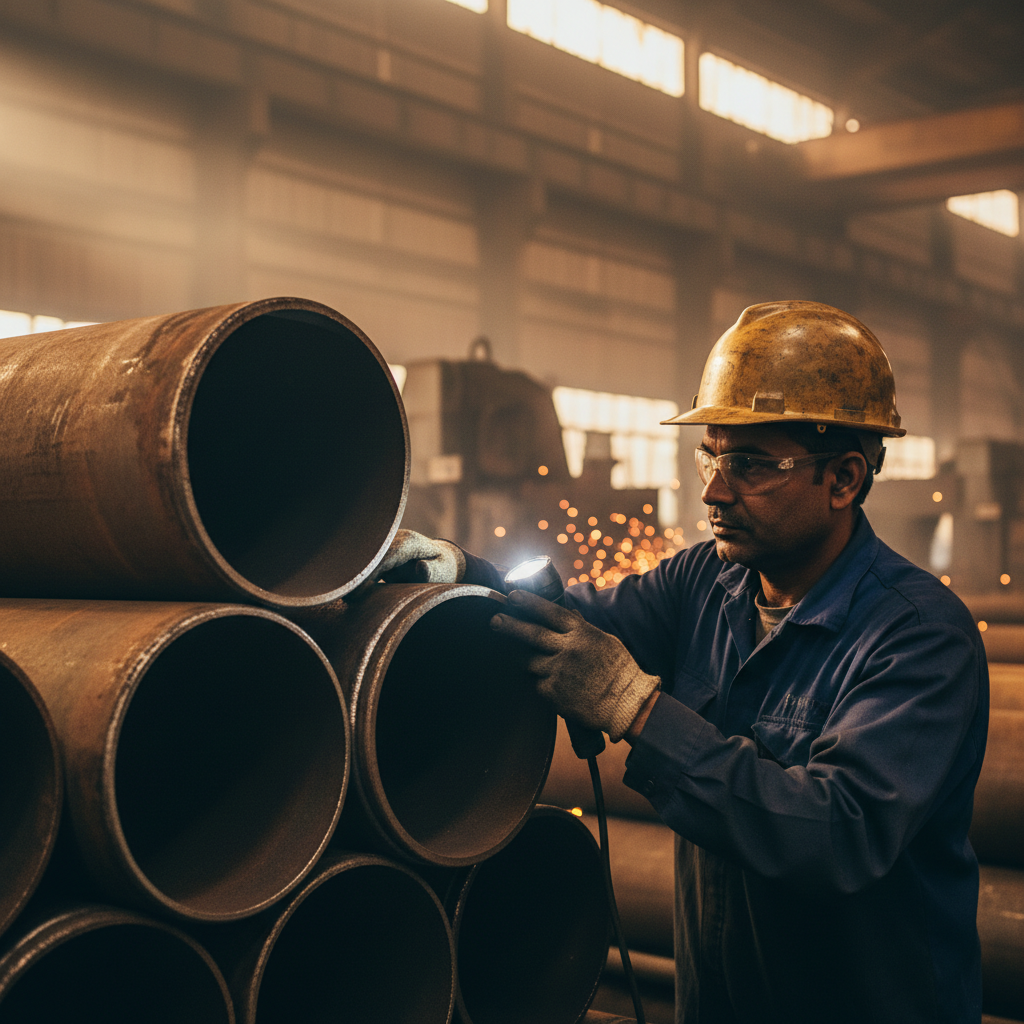
Farhan Rahman runs a mid-sized polymer export firm just outside Dhaka. His company ships packaging materials to several European retail chains. “The Europeans are asking for carbon audits we don’t even know how to perform,” Rahman says. “We don’t have the technology to track indirect emissions, and hiring European auditors costs more than our annual profit margin. It feels like we are being shut out of the game.”
Rahman’s plight highlights a deeper issue: the massive disparity in infrastructure. While European firms have access to green hydrogen and heavily subsidized renewable grids, South Asian manufacturers must make do with unstable, fossil-fuel-reliant local infrastructure. This has sparked accusations of green protectionism. South Asian governments argue that the EU is shifting the financial burden of its climate goals onto developing nations that historically contributed the least to global warming.
New Trade Routes and Local Protections
New Delhi is already preparing a multi-pronged response. Officials are exploring a challenge at the World Trade Organization, arguing the carbon tax discriminates against developing economies. Simultaneously, India is considering its own internal carbon tax on domestic industries, hoping to collect the revenue locally rather than letting the EU pocket the tariffs at European ports.
But policy battles take years. Meanwhile, the October 2026 deadline is racing closer. The scramble to adapt is triggering a major shift in trade flows. Some South Asian exporters are already turning away from Europe, looking to divert their goods to regions with looser environmental regulations. Industry reports suggest a growing pivot toward markets in the Middle East, Africa, and Southeast Asia. However, these alternative markets rarely offer the premium prices or high volumes that European buyers do.
To stay in the EU market, some forward-thinking firms are rushing to secure green power purchase agreements or investing in rooftop solar arrays. But these are stopgap measures. Decarbonizing heavy industry requires massive capital, which is hard to come by in a high-interest-rate environment. As the October 2026 deadline approaches, the pressure on South Asian factories will only intensify. The era of cheap, carbon-heavy manufacturing as an easy ticket to export wealth is drawing to a close. Those who cannot adapt in time risk being left behind.