The Price of Sovereignty
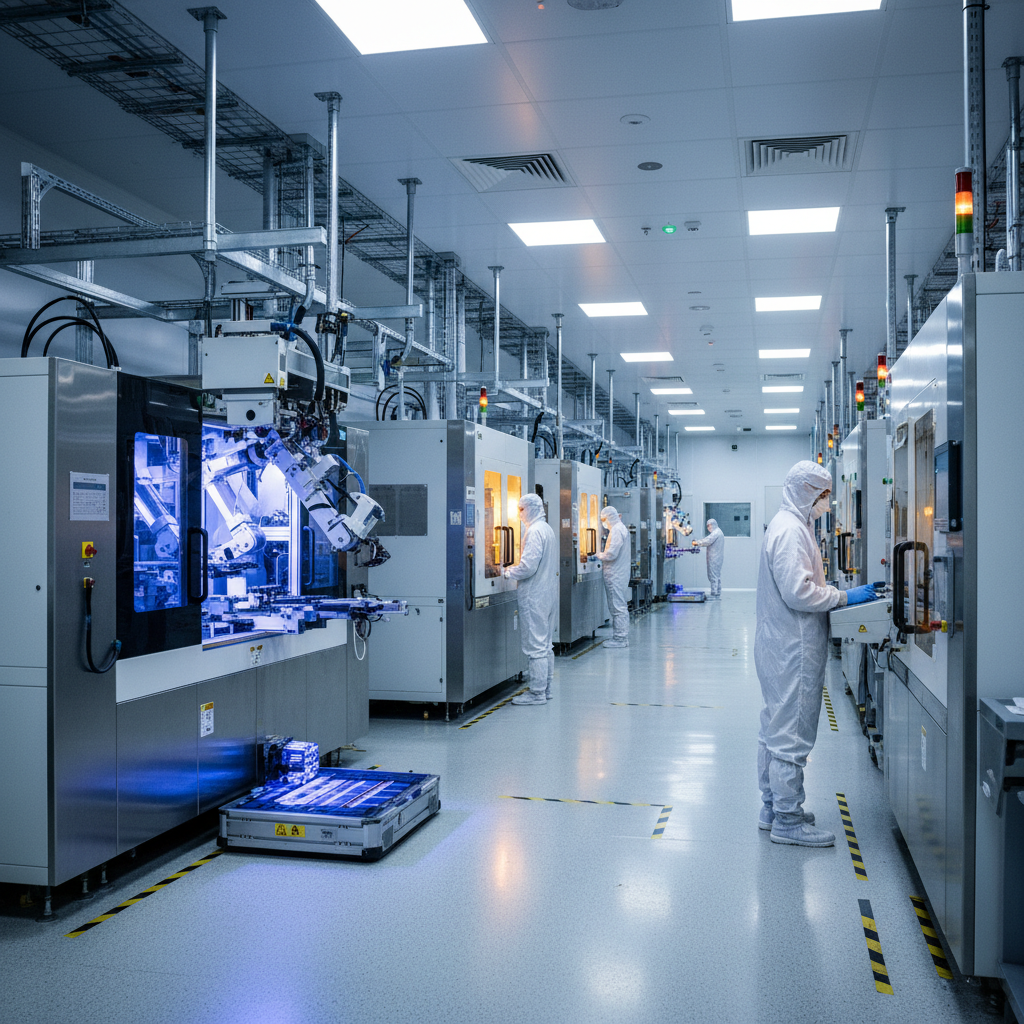
It was supposed to be the ultimate victory lap for Western industrial policy. After years of frantic planning, supply chain panics, and hundreds of billions of dollars in taxpayer subsidies, a wave of state-of-the-art semiconductor fabrication plants in the United States and Europe is finally online.
But there is a catch. The timing could not be worse.
Instead of securing a fragile supply chain, the sudden launch of these giant “fabs” in late 2026 has tipped the global economy into a severe semiconductor oversupply. The silicon drought that defined the early 2020s has officially morphed into a historic flood.
The Multi-Billion Dollar Glut
The sheer scale of new capacity hitting the market is staggering. In the U.S., projects funded by the $52 billion CHIPS and Science Act—including TSMC’s sprawling Arizona facilities and Intel’s expanded operations in Oregon and Ohio—have begun commercial shipping. Across the Atlantic, the European Chips Act has triggered its own manufacturing boom, with new and expanded plants in Germany, France, and Ireland pumping out silicon at record rates.
This represents a massive structural shift. Markets are struggling to digest the volume.
“We are seeing a classic supply-side shock,” says Marcus Vance, an independent semiconductor analyst based in London. “Governments built these factories for national security, not for market demand. Now we have to live with the economic hangover.”
Contract prices for standard logic chips and memory have plummeted by nearly 30 percent over the last two quarters. For the giant chipmakers who spent fortunes building these facilities, the financial toll is immediate. Profit margins are shrinking, and several tech giants have already warned investors of a tough road ahead.
Winners and Losers in the Silicon Shift
The pain is not shared equally. While chip fabricators watch their stock prices stumble, other sectors are quietly celebrating.
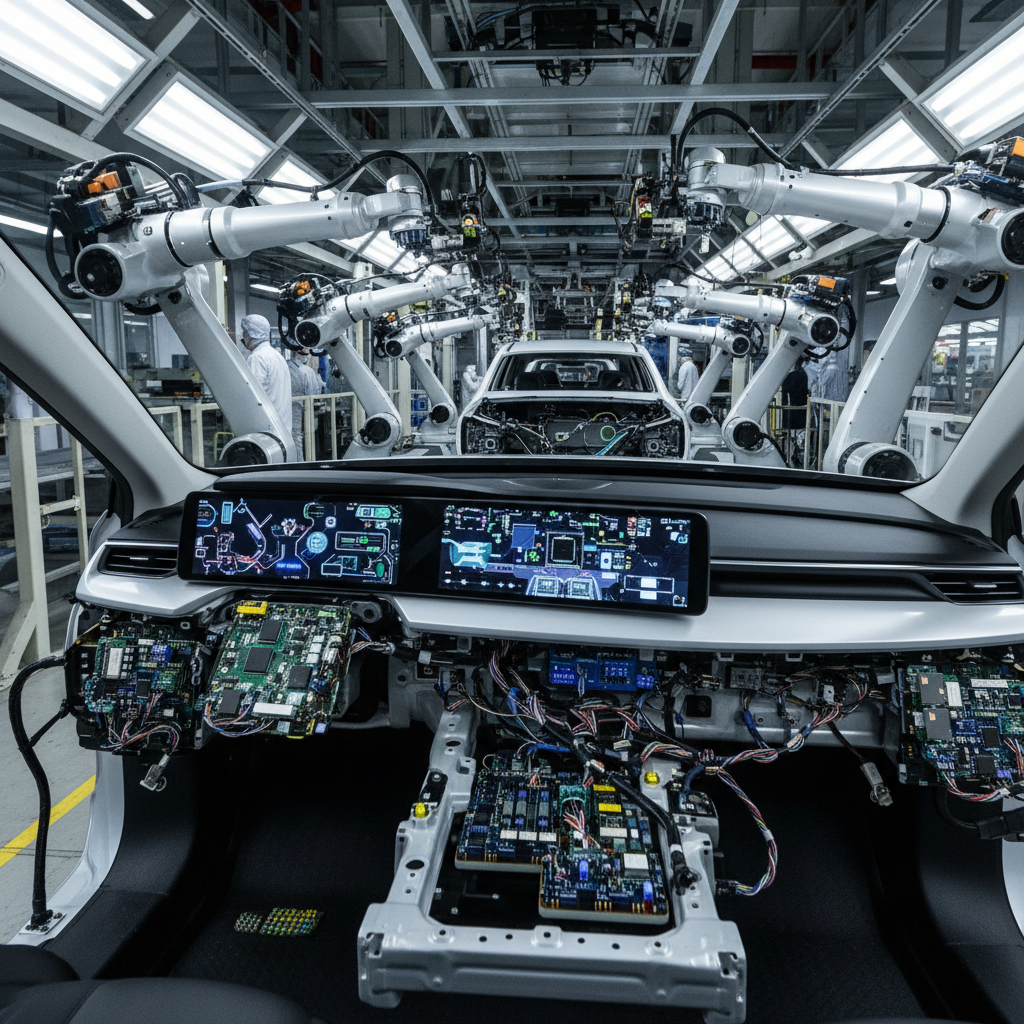
Automakers are the biggest winners. Just a few years ago, giants like Ford, General Motors, and Volkswagen had to idle assembly lines because they lacked basic, low-cost microcontrollers. Today, those same components are cheap and plentiful. Car companies are using the oversupply to stock up on inventory and lower the production costs of electric vehicles, which require thousands of chips per unit.
Consumer electronics brands are also reaping the benefits. Laptops, smartphones, and smart home devices are seeing retail price cuts as internal component costs drop.
Even the booming artificial intelligence sector is feeling the relief. While cutting-edge AI GPUs remain relatively expensive, the support chips, memory units, and power management semiconductors that keep massive data centers running are suddenly bargain-basement items.
The Legacy Node Conundrum
The glut is particularly acute in “legacy nodes”—the older, larger 28-nanometer and above chips that run everyday appliances, medical devices, and industrial machinery.
While Western governments focused heavily on bringing advanced manufacturing home, China quietly spent the last four years building dozens of legacy-node fabs. With Chinese factories running at full capacity alongside new European and American plants, the market for older silicon is completely saturated.
This raises difficult questions for policymakers. The goal of the subsidies was to build resilient domestic supply chains. Instead, taxpayers have funded factories that are now losing money on every wafer they produce.
What Lies Ahead
How does the industry dig itself out of this hole?
Historically, the semiconductor sector has always been highly cyclical. Boom leads to bust, which eventually leads to a new boom. Experts suggest that chipmakers will likely respond by delaying future phases of their massive construction projects. Some planned expansion sites in Europe have already paused groundworks.
Ultimately, this oversupply may be a temporary headache for corporate balance sheets, but it is a stabilizing force for the wider global economy. The era of crippling chip shortages is officially over. But as the industry adjusts to this new reality of abundance, the true cost of technological sovereignty is becoming painfully clear.