The Great Silicon Glut of 2026
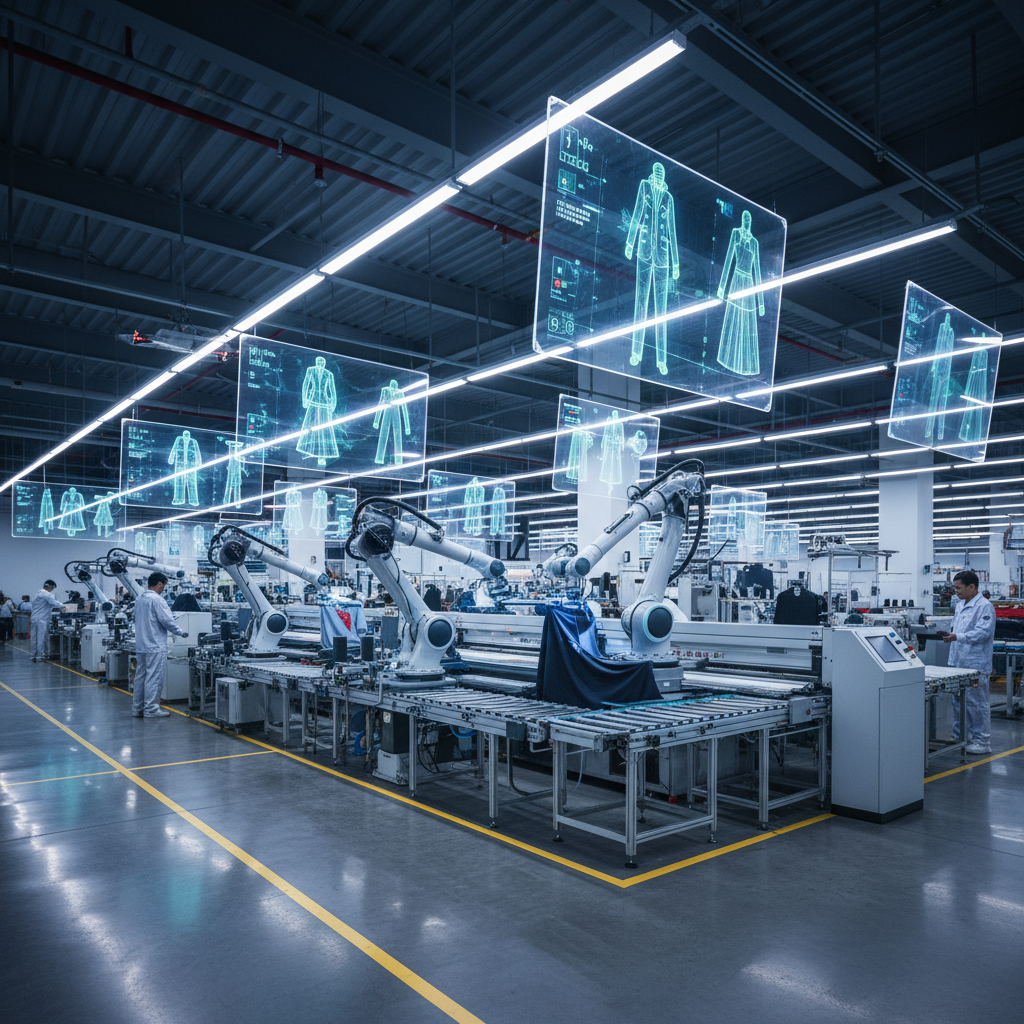
Remember when buying a new car or a video card meant waiting on a months-long backlog? Those days are gone. In the third quarter of 2026, the global technology sector is facing the exact opposite dilemma. A massive wave of newly minted microchips is flooding the market, driving prices down and forcing hardware manufacturers to rethink their strategies. The cause? A colossal, simultaneous surge in production from brand-new semiconductor foundries in Arizona and Saxony, Germany.
For the last three years, construction crews in both regions worked around the clock. Driven by government subsidies and a frantic desire to secure domestic supply chains, chip giants poured over $100 billion into these two regions. Now, those multi-billion-dollar bets have come online at the exact same time. Both hubs have reached peak manufacturing capacity, and the sheer volume of silicon rolling off the lines has caught the market off guard.
A Tale of Two Tech Hubs
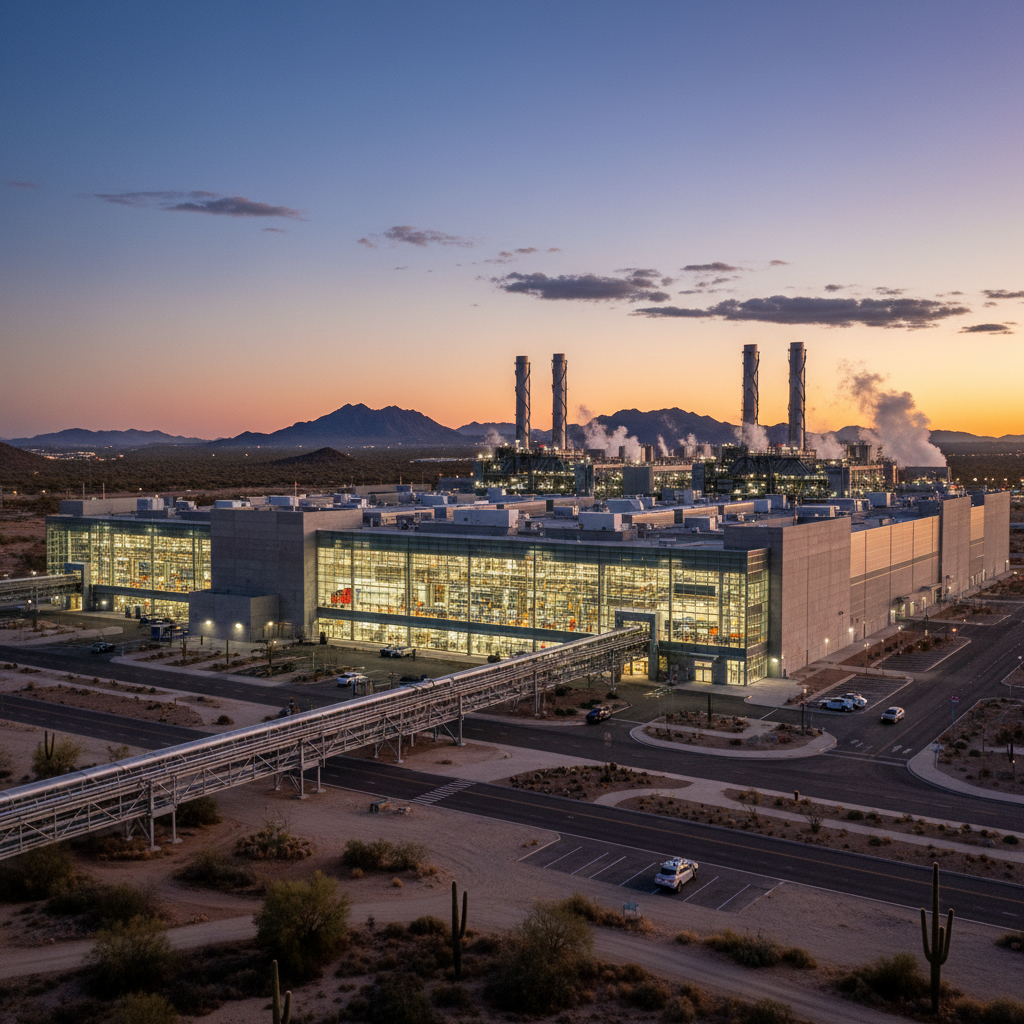
In the sun-drenched suburbs of Phoenix, Arizona, massive fabrication plants built by Taiwan Semiconductor Manufacturing Company (TSMC) and Intel are finally running at full tilt. At its peak, the construction effort in the desert drew thousands of specialized engineers from around the globe. Today, these cleanrooms are churning out advanced silicon wafers by the truckload.
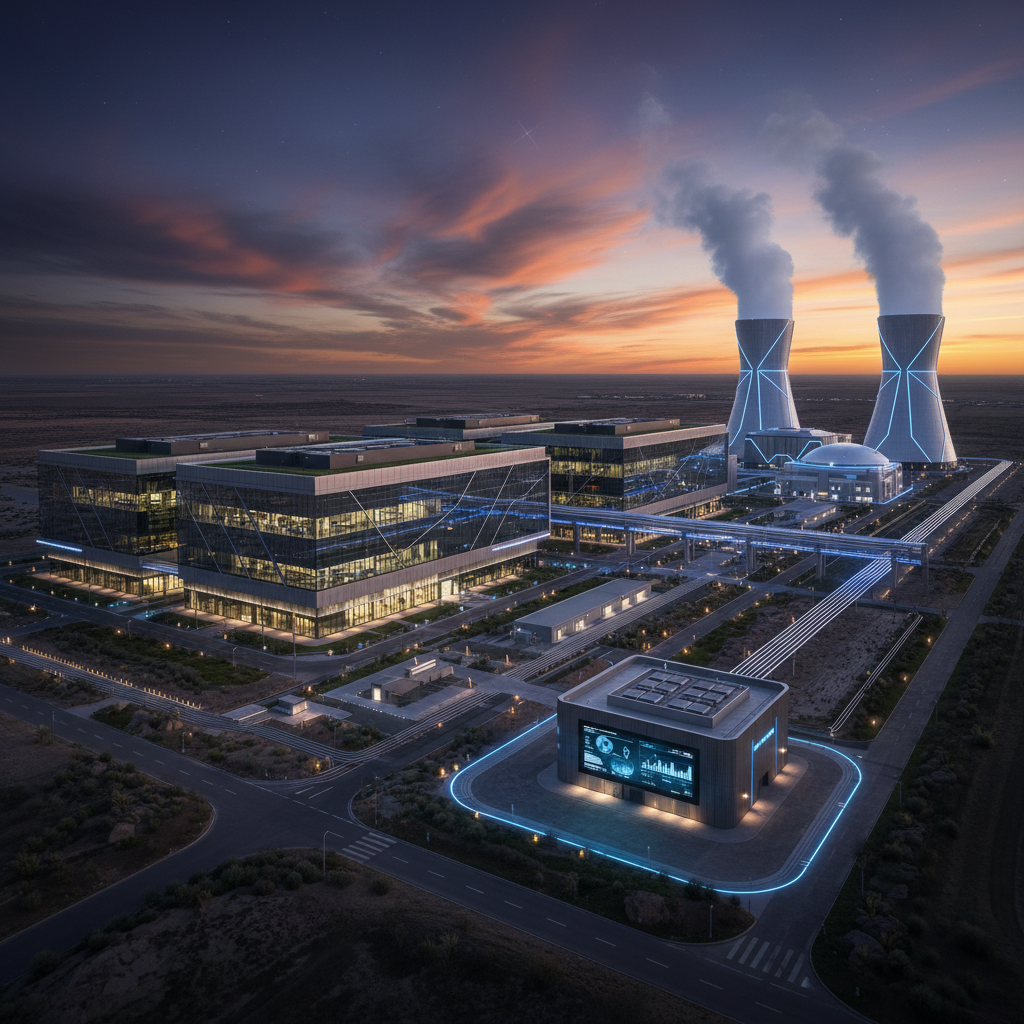
Meanwhile, across the Atlantic, Germany’s “Silicon Saxony” region near Dresden is experiencing a parallel boom. Backed by the European Chips Act, local expansions and joint ventures have transformed the historic industrial region into a European powerhouse. The simultaneous ramp-up has created a perfect storm of supply. Industry tracker SemiData estimates that global monthly wafer starts for advanced nodes have jumped by 22% compared to last year.
Winners and Losers in the Cheap Chip Era
This sudden abundance is reshuffling the global economy. The immediate beneficiaries are consumer electronics brands and automakers. For years, car manufacturers had to scale back features or park half-finished SUVs in vacant lots because they lacked basic microcontrollers. Now, they are negotiating deep discounts.
- Smartphones and PCs: Retail prices for mid-tier laptops and mobile phones are expected to drop by 15% ahead of the holiday shopping season as component costs tumble.
- Automotive Industry: Car companies are locking in cheap, long-term supply contracts, securing their EV pipelines for the next decade.
- AI and Cloud Providers: Data center operators are finding it cheaper to build out massive server farms, though high-end AI processors remain somewhat insulated from the price drops.
But the picture is far less rosy for the semiconductor companies themselves. Stock prices for major chipmakers have taken a hit, falling an average of 14% since the start of the quarter. Operating margins are under immense pressure. Running a modern fab is an incredibly capital-intensive endeavor. If these facilities do not run near 90% capacity, the fixed costs can quickly eat a company alive. With supply outstripping demand, some executives are already hinting at delaying future construction phases.
The Geopolitical Irony
There is a stark irony at play. The push to build these fabs in America and Europe was never about pure economic efficiency. It was about national security and resilience. Western governments wanted to break their reliance on East Asian manufacturing hubs, particularly Taiwan, fearing geopolitical instability. They succeeded in bringing production home, but now they must deal with the harsh realities of the business cycle.
“We wanted self-reliance, and we got it,” says Elena Vance, a senior semiconductor analyst at Munich-based Advisory Partners. “But nobody planned for what happens when everyone succeeds at the exact same moment. We are seeing a classic capital cycle play out, just with incredibly expensive, high-tech factories.”
How long will this surplus last? Most economists expect a correction period of at least twelve to eighteen months. As next-generation smart devices, automated vehicles, and localized artificial intelligence systems continue to mature, they will inevitably consume this excess capacity. Until then, however, the silicon market belongs entirely to the buyers.