A New Chapter for European Silicon
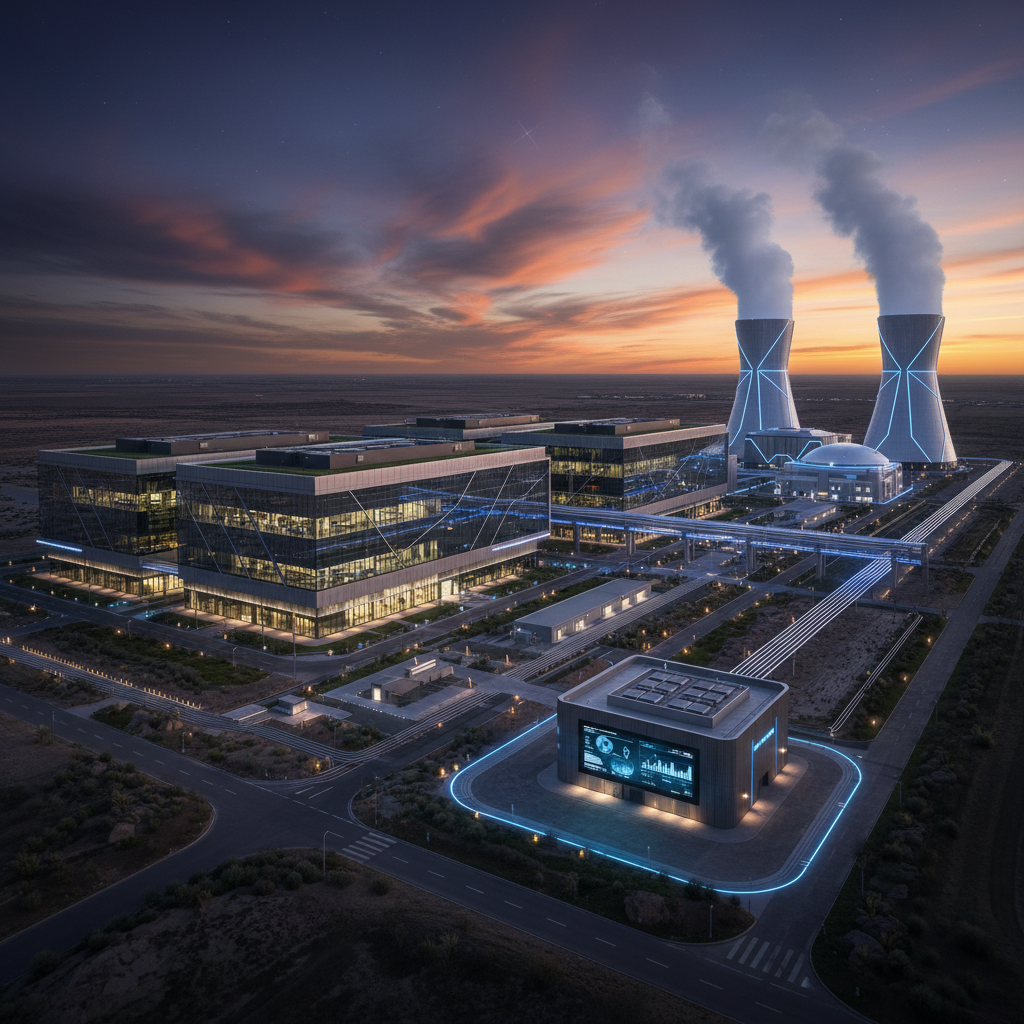
Silicon Saxony is buzzing. Taiwan Semiconductor Manufacturing Co. (TSMC) has officially initiated trial production at its brand-new fabrication plant in Dresden, Germany. It is not just another factory opening. This milestone represents a massive geopolitical and economic shift for Europe’s automotive sector, which has spent years trying to secure its vulnerable supply lines.
Operating under the name European Semiconductor Manufacturing Company (ESMC), the joint venture brings TSMC together with regional industrial powerhouses Bosch, Infineon, and NXP Semiconductors. TSMC holds a dominant 70% controlling stake in the project. The remaining three partners split the other 30% equally. Together, they are channeling more than €10 billion ($11 billion) into the facility, backed heavily by a €5 billion state aid package approved under the European Chips Act.
Securing the Automotive Backbone
European automakers learned a painful lesson during the pandemic. Car assembly lines ground to a halt for months because of a sudden lack of basic, inexpensive microcontrollers. The Dresden plant aims to ensure that nightmare never happens again. Instead of pushing for the ultra-thin nanometer nodes used in high-end smartphones and AI accelerators, this facility targets the rugged, highly reliable chips that cars actually need to run safely.
The factory will focus on two primary technology tracks:
- 28/22-nanometer planar nodes: Ideal for basic microcontrollers, sensor interfaces, and power management integrated circuits.
- 16/12-nanometer FinFET technology: Designed for high-performance automotive computing, advanced driver-assistance systems (ADAS), and digital cockpits.
By localizing the production of these specific nodes, European automotive giants like Volkswagen, BMW, and Mercedes-Benz gain a reliable, regional source for the brains of their next-generation vehicles.
Inside the Trial Production Phase
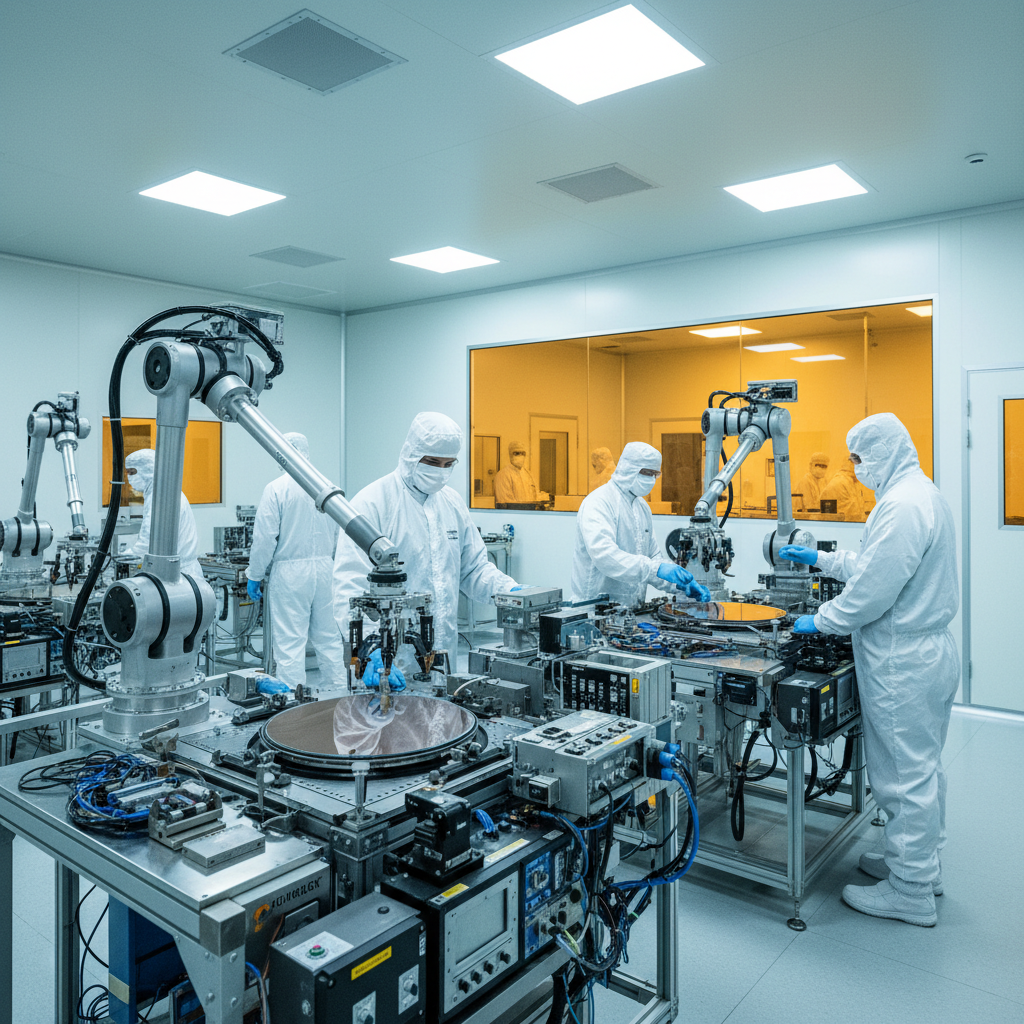
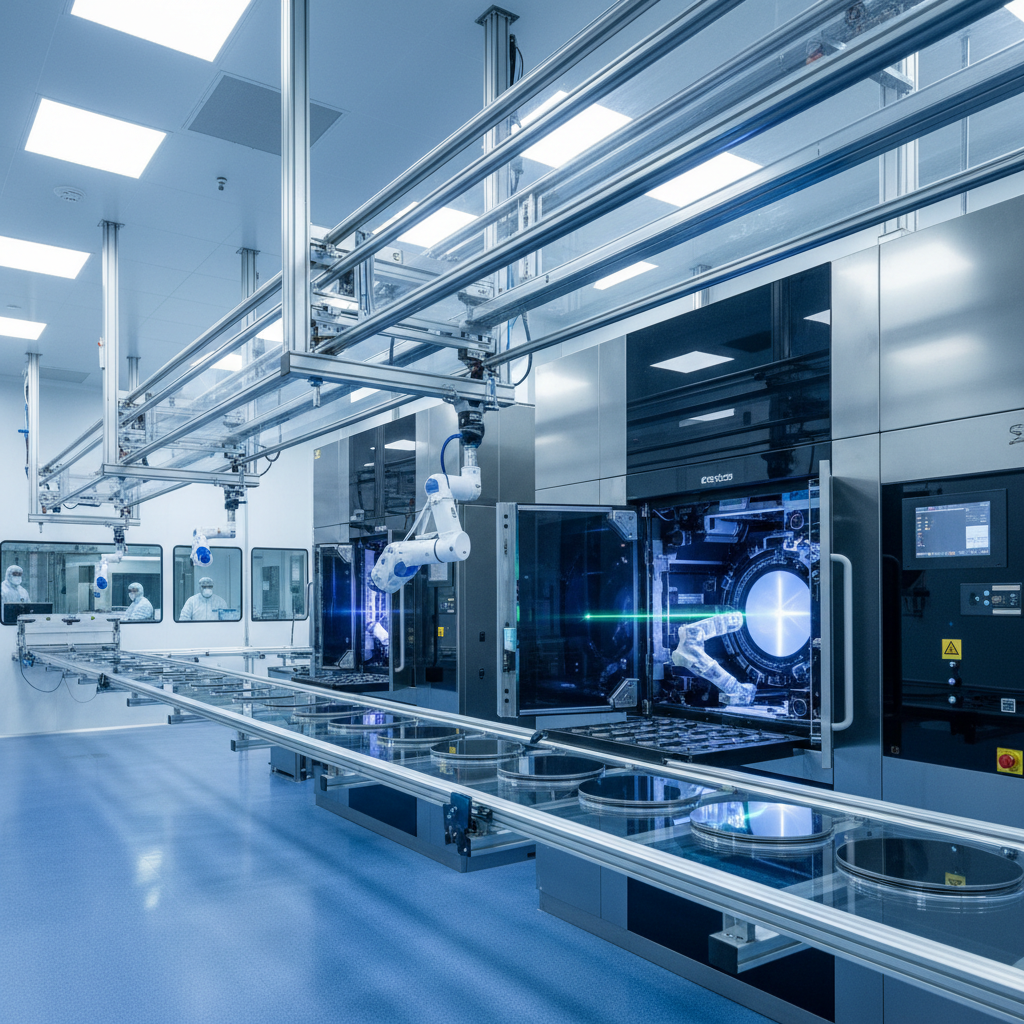
The transition to trial production is a delicate process. It is a slow, meticulous rehearsal. During this phase, engineers calibrate highly sensitive extreme ultraviolet (EUV) and deep ultraviolet (DUV) lithography machines. They run dummy silicon wafers through the cleanrooms to test automated transport systems and identify any microscopic contaminants that could ruin chip yields.
Every variable must be controlled. Cleanroom air is filtered constantly to ensure it is thousands of times cleaner than the air outside. Even minor temperature fluctuations can throw off the alignment of circuit patterns printed onto the wafers. These trial runs will continue for months as the team fine-tunes the manufacturing process. The ultimate goal is to optimize yield rates—the percentage of usable chips per wafer—before commercial mass production starts, which is slated to begin in late 2027.
A Shield Against Geopolitical Storms
For the European Union, the Dresden fab is a sovereign shield. Currently, European carmakers rely heavily on foundries located in Taiwan and mainland China. Any trade dispute, military escalation, or natural disaster in the Taiwan Strait could instantly paralyze European manufacturing. Building a local hub mitigates that risk.
The EU has set a bold target to double its share of the global semiconductor market to 20% by 2030. The ESMC plant is the cornerstone of this plan. However, the path forward is not entirely smooth. Operating a fab in Germany is expensive. High energy prices, strict environmental regulations, and a tight labor market present persistent challenges. Germany is already facing a shortage of skilled electrical engineers and cleanroom technicians, forcing regional universities and companies to ramp up specialized training programs rapidly.
The Long Road to 2027
The Dresden facility is expected to create around 2,000 direct high-tech jobs, alongside thousands of indirect roles in the surrounding ecosystem. While drivers won’t see these German-made TSMC chips in their cars for a few more years, the commencement of trial runs proves that Europe’s microchip ambitions are finally shifting from political rhetoric into physical reality. For a continent eager to reclaim its industrial independence, the first spinning wafers in Saxony represent a vital step forward.