The Brutal Math Facing East African Treasuries
Finance ministers across East Africa are staring at spreadsheets they cannot balance. As the late 2026 fiscal cycle closes in, a quiet crisis is taking hold. From Nairobi to Kampala, governments are facing a stark choice. They can either pay back international creditors in New York, Beijing, and London, or they can build the roads, power grids, and water systems their people desperately need. They cannot do both.
For years, the region fueled its rapid growth with cheap international credit. Now, the bill has come due. A combination of high global interest rates, weakening local currencies, and stubborn inflation has made refinancing existing debt incredibly expensive. The easy money is gone. In its place is a mathematical trap that threatens to stall some of the continent’s most promising economies.
The Refinancing Trap
The core of the problem lies in the international bond markets. When East African nations issued Eurobonds a decade ago, interest rates were low. Today, refinancing those bonds means issuing new debt at interest rates hovering between 9% and 12%. Economists warn that these rates are unsustainable for developing economies.
“We are seeing a collision between fiscal reality and political promises,” says Brenda Mutua, an independent macroeconomic analyst based in Nairobi. “Governments cannot afford to default, because that shuts them out of global markets entirely. But paying the interest means gutting the domestic budget. It is a slow squeeze on public services.”
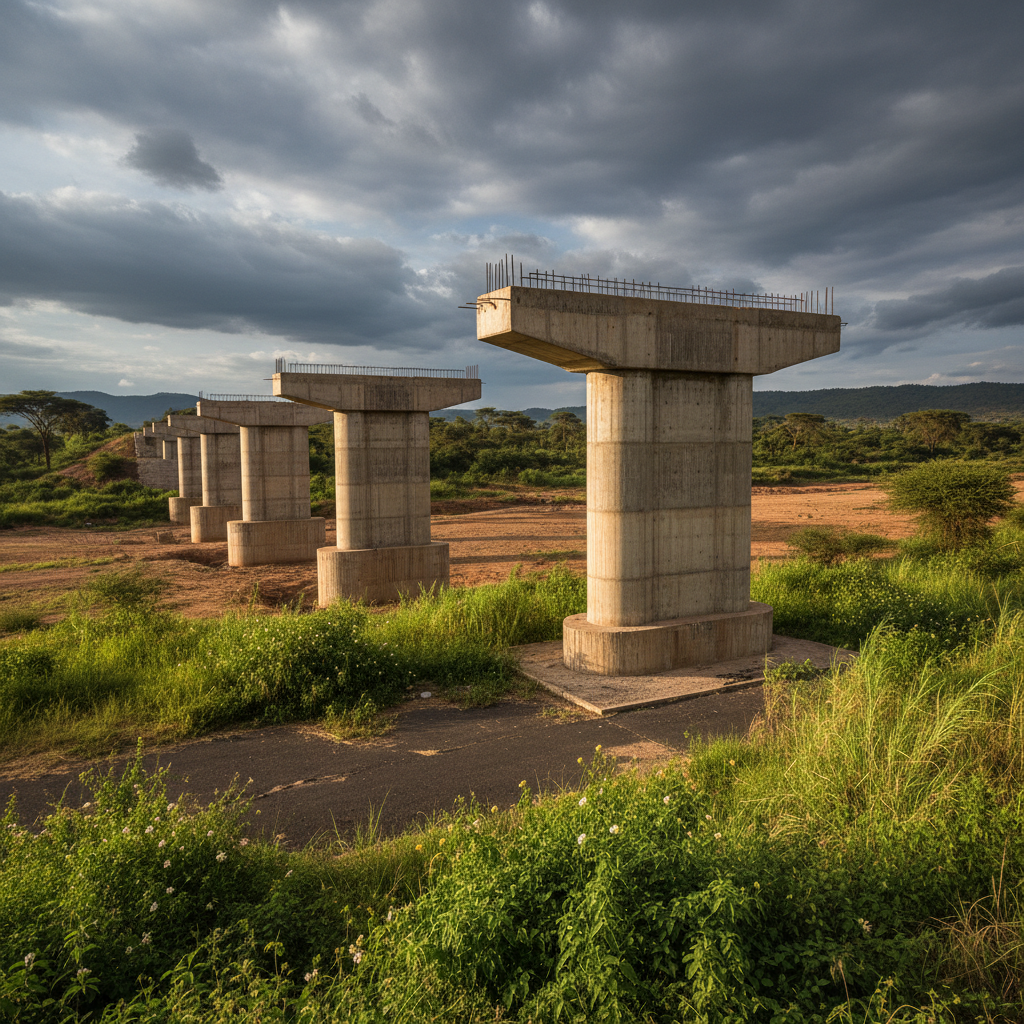
This squeeze is not a distant threat. It is happening now. Across the region, capital projects are grinding to a halt. Governments are quietly delaying payments to local contractors, pausing road expansions, and freezing public sector hiring just to preserve foreign currency reserves.
Kenya’s Balancing Act
Kenya remains the focal point of the regional debt pressure. The country’s Treasury currently spends over 60 cents of every dollar collected in tax revenue just to service its existing debt. This leaves very little room for anything else.

The impact on the ground is clear. Prominent infrastructure projects, including further phases of the Standard Gauge Railway (SGR) designed to link the coast to neighboring landlocked countries, have been put on the back burner. Instead, the focus has shifted entirely to fiscal consolidation. To keep creditors happy, the government has had to introduce unpopular tax hikes, sparking public frustration.
The dilemma is political as much as it is economic. Cutting spending on roads and hospitals hurts the average citizen immediately. But defaulting on a sovereign loan would trigger a currency collapse and drive inflation even higher. It is a choice between two bad options.
Uganda and Tanzania Pivot to Caution
Neighboring countries are watching Kenya’s struggles and rewriting their own playbooks. In Uganda, the government has tightened its belt, delaying several planned highway projects and seeking cheaper, bilateral funding rather than risking expensive commercial loans. The country is trying to hold its breath until oil revenues start flowing from the Lake Albert development project, but that timeline remains tight.
Tanzania has also shifted its strategy. While President Samia Suluhu Hassan has prioritized massive railway and hydropower projects, the rising cost of dollar-denominated debt has forced her administration to seek soft loans from multilateral lenders like the World Bank. Even so, the country’s debt-to-GDP ratio has ticked upward, leaving little room for error if global market conditions worsen.
What Lies Ahead for the Region
As the 2026 fiscal cycle winds down, the room for maneuver is shrinking. Analysts suggest that without significant debt relief or a surprise drop in global interest rates, several East African nations may have to seek formal restructuring programs.
- Stalled growth: Fewer new roads and ports mean slower regional trade and economic stagnation.
- Currency pressure: Massive debt payments deplete foreign exchange reserves, weakening local currencies against the US dollar.
- Social tension: Tax increases paired with cuts in public services are creating political instability.
For now, the region’s leaders have few good choices. The immediate future looks like a long, slow grind. To survive the cycle without defaulting, East African nations will have to rely on fiscal discipline, hoping that global markets ease before domestic patience runs out.