
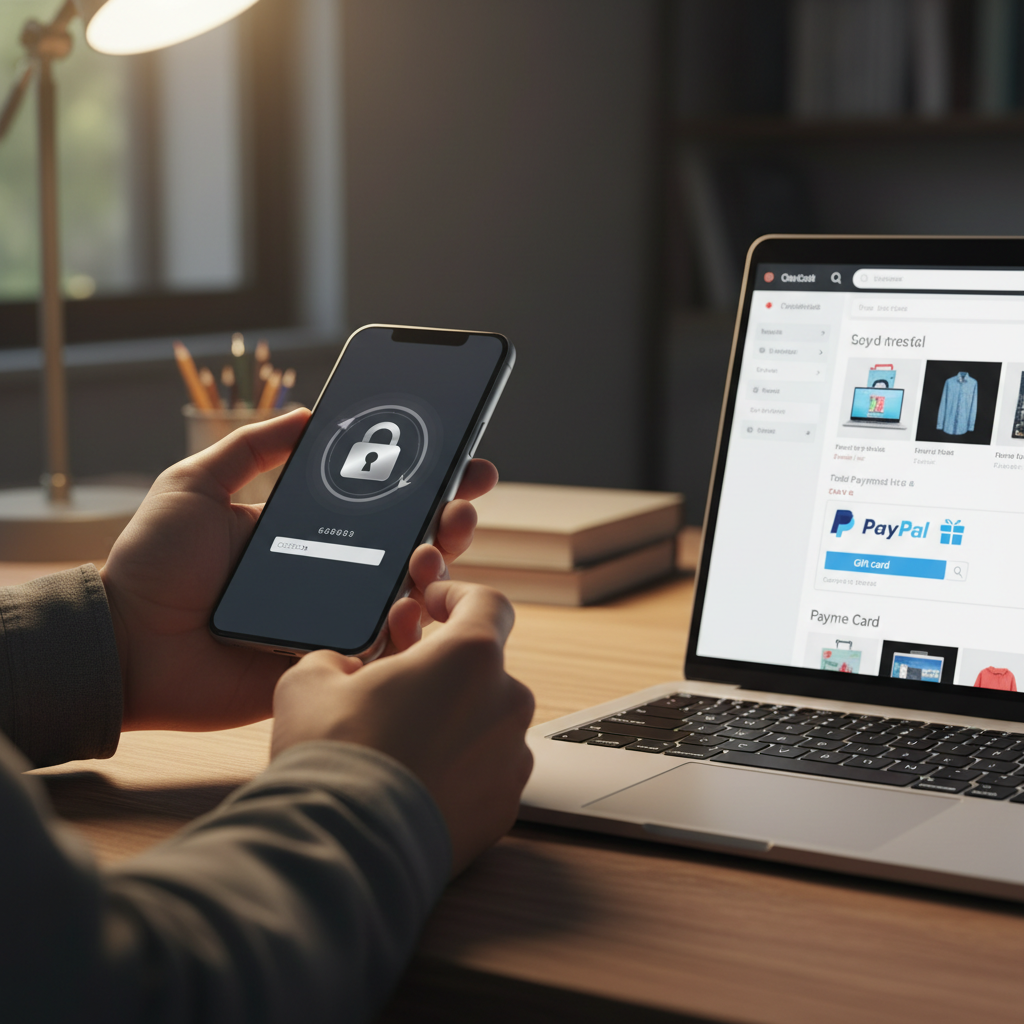
The busiest shopping season of the year is officially here. But alongside the rush of honest holiday shoppers, online retailers are fighting a quiet war against a massive spike in refund fraud. To push back, some of the world’s largest digital marketplaces have quietly rolled out much stricter verification rules for anyone buying PayPal gift cards.
If you plan to grab a digital card for a friend this week, expect some extra hurdles. Many major platforms now require multi-factor authentication (MFA) before they will let you complete the checkout. This means you will likely need to enter a one-time code sent to your phone or verify your login through an app. The instant, one-click checkout is temporarily taking a backseat to security.
The Anatomy of the Scam
Why the sudden crackdown on PayPal gift cards? The answer lies in how easily digital cash can be laundered. Security experts call it refund fraud, and it has become a highly organized industry over the last two years.
Typically, a bad actor buys a high-value PayPal gift card using either a stolen credit card or a compromised retail account. Once the digital card lands in their inbox, they drain the balance immediately. They might buy electronics, transfer the cash to another account, or sell the gift card code on a third-party marketplace for cryptocurrency.
Then comes the trick. The fraudster contacts customer support. They claim they never received the email. Or they claim their account was hacked and they did not authorize the purchase. Because the transaction happened fast, retailers often issue a refund to avoid a dispute. The scammer gets to keep the money on the card and gets their refund, too. It is a double win for them, and a pure loss for the store.
“Gift cards are essentially untraceable once they are spent,” says Marcus Vance, a veteran cybersecurity consultant who advises retail brands. “They are the holy grail for digital thieves. By the time a retailer realizes they have been scammed, the money is long gone.”

Slowing Down the Transaction
To stop the bleeding, retailers are intentionally slowing things down. The new security protocols act like speed bumps. By forcing shoppers to complete multi-factor verification, online storefronts can confirm that the person buying the card is actually the owner of the account.
In addition to MFA, some retailers have introduced artificial intelligence tools that analyze transaction patterns in real-time. If a user tries to buy three $100 PayPal gift cards in rapid succession from an unrecognized IP address, the system will immediately freeze the purchase. The customer then has to go through a manual verification process, which often involves answering security questions or waiting for a phone call.
Some platforms are also implementing “cool-down” windows. Instead of delivering the digital gift card code instantly, the purchase is held in a queue for 10 to 30 minutes. This short delay gives fraud detection algorithms time to run background checks on the payment method and the buyer’s purchase history.
A Necessary Hassle for Shoppers
For everyday consumers, these extra steps can be annoying. Nobody likes waiting for a text message code when they are trying to check out quickly. But retail groups argue that the minor inconvenience is a small price to pay for security.
Data from retail security firms suggests that holiday refund fraud spikes by more than 35% between November and January. This causes millions of dollars in losses that eventually get passed down to consumers in the form of higher prices. By making it harder to buy gift cards with stolen credentials, retailers hope to protect their bottom lines and keep prices stable.
PayPal is also working with its retail partners to make this transition smoother. The payment giant is sharing more backend risk signals, allowing stores to verify purchases without always needing to disrupt the customer’s shopping flow. However, if you are buying from a new device or a different location, expect to see those security prompts.
The era of frictionless digital spending is shifting. Retailers are realizing that a little bit of friction is exactly what they need to keep thieves at bay.