
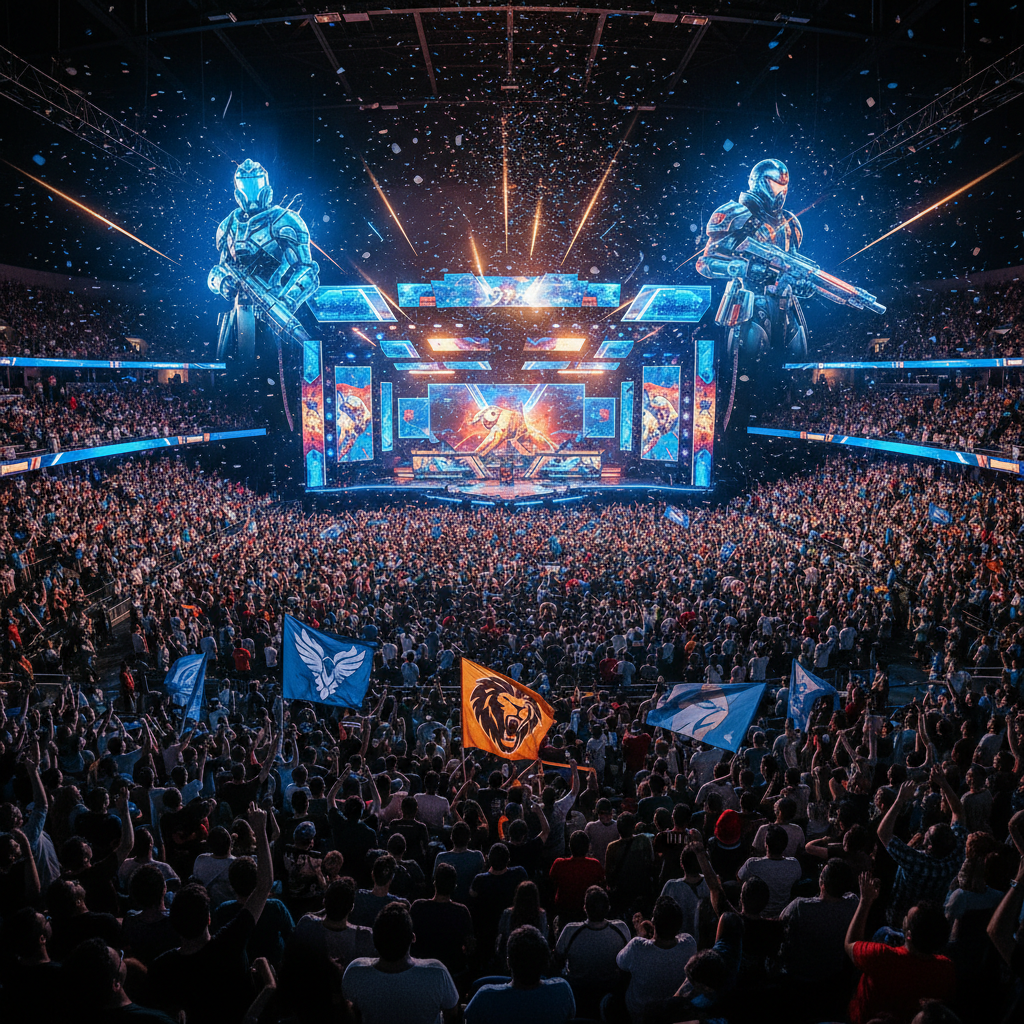
The Race to Rio: FFWS 2026 Approaches
The countdown to November has officially begun. With the Garena Free Fire World Series (FFWS) 2026 grand finals looming, the global competitive scene is in absolute chaos. Teams are scrambling. Rosters are shifting. The stakes? A multi-million dollar prize pool and eternal esports glory in Rio de Janeiro, Brazil.
This year feels different. The gap between the dominant Southeast Asian powerhouses and the rest of the world is narrowing, but only slightly. To close that distance, several top-tier organizations pulled off desperate, last-minute roster overhauls. It is a high-risk gamble that could either spark a championship run or destroy years of team chemistry.
The Thai Juggernauts Face New Threats
Thailand has long been the gold standard in Free Fire. Teams like Falcons Esports and Buriram United Esports have dominated global lobbies with sheer mechanical speed. Falcons Esports, the defending champions, enter the tournament with a target on their backs. They have kept their core intact, banking on the telepathic synergy that defined their recent domestic season.
“We aren’t changing what works,” says Falcons coach Surasak “Sura” Phong. “But we know the rest of the world is studying our every move. The moment we stagnate, we lose.”
Buriram United, on the other hand, made a quiet but lethal adjustment. They signed teenage prodigy “Dew” to their starting lineup, replacing veteran anchor “Kaza.” It is a move designed to match the lightning-fast rush meta that has taken over the 2026 season. Early scrimmages suggest the gamble is paying off, with Buriram looking faster and more aggressive than ever.
Brazil Rebuilds for Home Turf Glory
For the Brazilian fans, nothing less than a home-soil victory will do. The local crowd in Rio is famous for its deafening energy, and local giants LOUD and Magic Squad want to feed on that pressure. However, both teams have undergone massive transformations over the last six months.
LOUD shocked fans by benching their veteran captain after a disappointing regional split. They opted instead for a double-rusher setup, bringing in explosive newcomer “Silva” from the tier-two circuit. It is a chaotic style of play. It leaves them vulnerable during mid-game rotations, but their raw fire power in close-quarters combat is now unmatched in the Liga Brasileira de Free Fire (LBFF).

Meanwhile, Magic Squad is trying to recapture the magic of their previous championship era. After losing two star players to retirement earlier this year, they rebuilt around their anchor player, “Yago.” The new lineup is young, hungry, and completely unpredictable. Analysts worry about their lack of international experience, but their unpredictable rotations could catch disciplined Asian teams off guard.
Format Twists and Survival of the Fittest
The tournament structure itself adds another layer of anxiety. This year, Garena introduced a revamped knockout stage. Points carry over differently, and the early stages will eliminate teams much faster than before. There is no room for a slow start. One bad drop on Bermuda or Purgatory, and a tournament favorite could find themselves booking flights home before the final weekend.
This format change explains the panic transfers. Teams realize they cannot afford to “warm up” during the group stages. They need immediate impact players who can drop hot and secure early kills.
Indonesia and LATAM: The Dark Horses
Do not count out Indonesia. RRQ Kazu has quietly put together one of their most disciplined rosters in years. They have shifted away from individual heroics to focus on late-game survival. In a meta where survival points are increasingly crucial, RRQ Kazu’s slow-burn strategy might just break the Thai dominance.
From the rest of Latin America, teams like Furious Gaming have shown they can trade blows with the best. They have spent the last month bootcamping in Southeast Asia, aiming to adapt to the faster playstyle before the November main stage begins.
A Meta in Flux
What is driving these frantic roster changes? A series of recent balance patches from Garena. Character skill reworks have completely altered the active-ability meta. Passive defensive strategies are dead. Today, the game rewards teams that can execute perfect, aggressive coordinated pushes within split seconds.
This shift favors the young. Teams are increasingly benching veteran strategists in favor of 16-year-old mechanical prodigies who can aim-lock under intense pressure. The stage is set. The rosters are locked. Come November, we will see which gamble pays off.