

Imagine waking up, grabbing your phone to check on a delivery, and finding your Amazon account locked. No access to your purchase history. No way to contact customer service. And to make matters worse, the $500 gift card balance you saved up for prime day is completely gone.
Claim Free Amazon Gift Card here
Amazon kept it. It sounds like a bad dream, but for thousands of users, it is a frustrating reality. Now, federal regulators are stepping in to find out if this practice crosses a legal line.
Under the Regulatory Microscope
The Federal Trade Commission is actively investigating Amazon’s policy of seizing gift card balances from banned accounts, according to people familiar with the matter. The agency is digging into whether this practice constitutes an unfair or deceptive business act. Regulators want to know exactly how much money Amazon has pocketed from closed accounts and how the company decides who gets locked out.
For years, consumers have complained about Amazon’s abrupt account closures. When the company bans a profile, it routinely voids any unused gift card balances. It does not matter if the money came from a birthday gift or a hard-earned trade-in. The funds simply vanish into Amazon’s coffers.
Fraud Prevention or Easy Money?
Amazon defends the practice as a necessary tool to fight online crime. The company argues that bad actors use gift cards for money laundering, refund fraud, and buying fake reviews. By freezing the balances, Amazon says it stops criminals from profiting off scam operations. A spokesperson previously emphasized that the retailer aims to keep its marketplace safe for everyone.
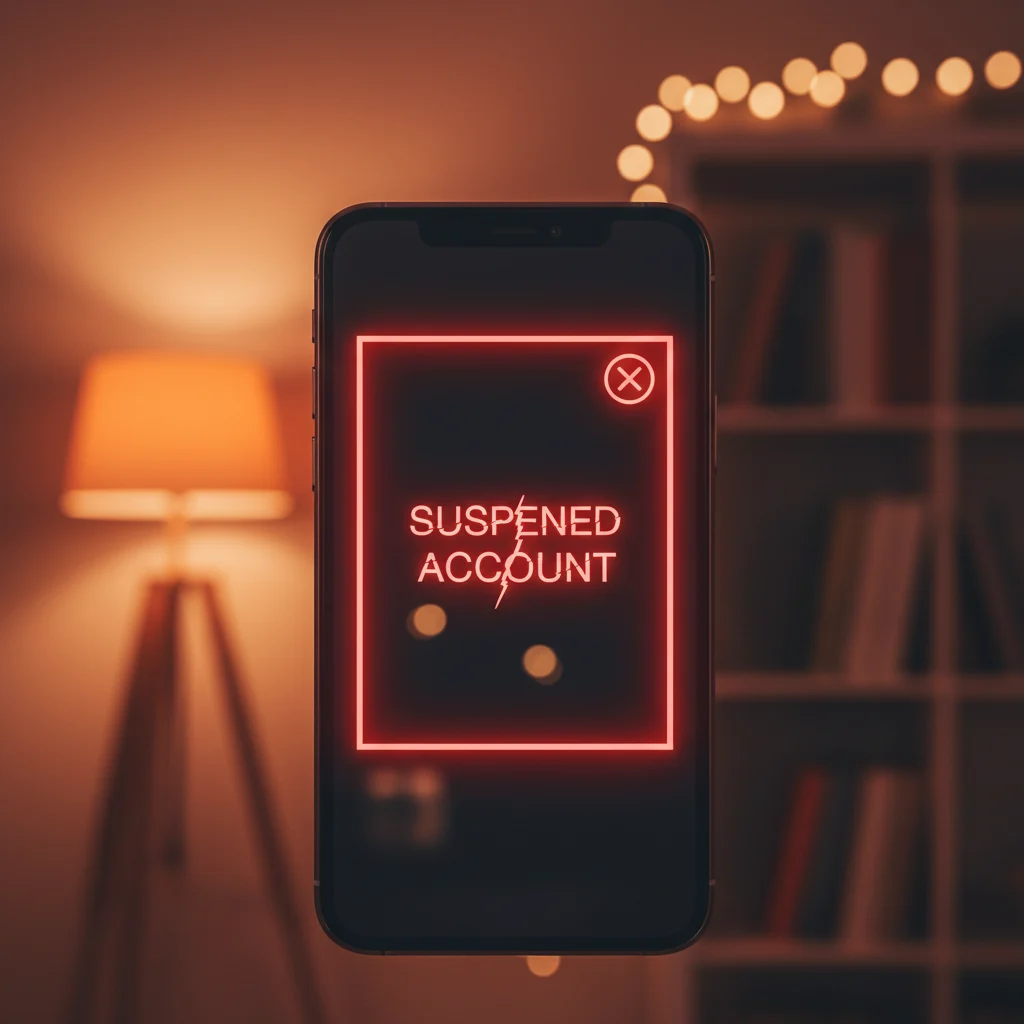
But consumer advocates say the system is far too aggressive. It relies on automated algorithms that often make mistakes. Innocent buyers get swept up in the dragnet. A sudden spike in purchases, logging in while traveling, or buying too many items at once can trigger the security software. Once the system flags an account, the ban is swift and final.
No Human to Talk To
Getting your account back—or even getting an explanation—is notoriously difficult. Many users report receiving generic, automated emails stating they violated the terms of service. When they ask for details, they get silence. The lack of a clear appeals process is a major focus of the FTC’s inquiry. Regulators are looking at:
- The lack of notice given to consumers before their funds are seized.
- The high barrier to appealing automated decisions.
- Whether Amazon’s terms of service clearly warn users about losing their cash.
The Legal Backlash Gathers Steam
This is not the first time Amazon has faced heat over this policy. Frustrated shoppers have filed several class-action lawsuits. The plaintiffs argue that gift card balances are essentially cash. They claim that once a customer buys a card, that money belongs to them, not the retailer. Keeping it, the lawsuits allege, is nothing short of civil theft.
The FTC’s probe adds to a long list of legal troubles for Amazon under FTC Chair Lina Khan. The agency has already sued the retail giant over its Prime cancellation process and launched a massive antitrust lawsuit targeting its core business. This new investigation hits closer to home for the millions of people who use Amazon daily.
While the investigation is still ongoing, it sends a clear signal to the tech industry. Regulators are watching how companies treat digital wallets. For now, the safest bet for consumers might be to spend gift cards immediately rather than letting them sit in an account.