
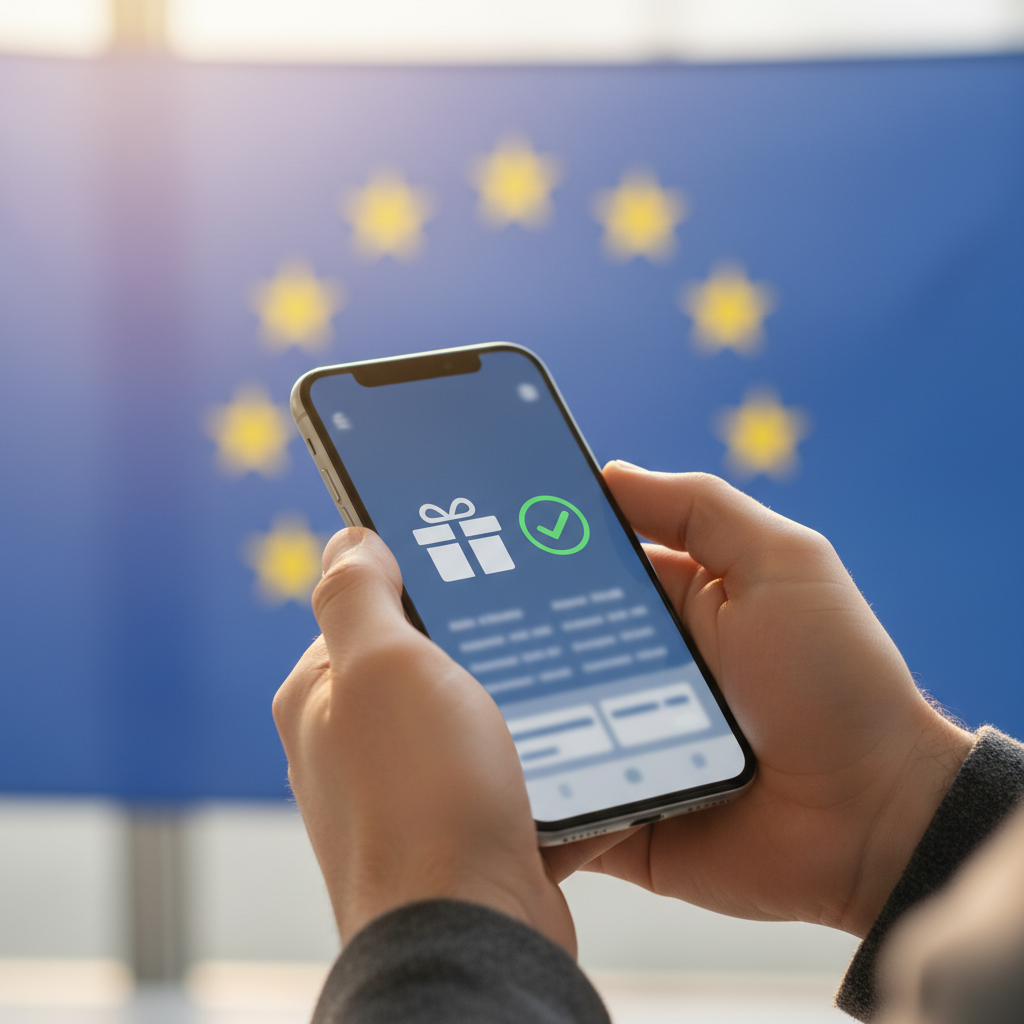
PayPal is dropping one of its most frustrating fees for European users. Under pressure from new European Union regulations, the payment giant has agreed to stop charging fees on cross-border gift card redemptions. The change marks a significant victory for consumer advocacy groups. For years, they have argued that these charges undermine the concept of the EU’s single market. Now, Brussels is forcing a shift.
The End of the Cross-Border Penalty
Until recently, using a digital gift card purchased in another EU country came with a financial penalty. If a French consumer received a digital voucher from Germany, redeeming it through PayPal often triggered a cross-border processing fee. Sometimes, currency conversion costs made the hit even worse. These small charges added up quickly. For many shoppers, it felt like a tax on digital gifts.
PayPal defended the fees for years, pointing to the administrative costs of managing international transactions. But the European Commission disagreed. It saw the fees as protectionist barriers that split the European market into national silos.
Aligning with the EU Single Market
The policy shift stems from the EU’s newly updated digital wallet framework. Under the revised regulations, financial technology firms must treat all intra-EU transactions equally. That means a digital transaction spanning from Dublin to Athens cannot cost more than one occurring entirely within Munich.
Mairead McGuinness, the EU Commissioner for Financial Services, welcomed the change. “European consumers should not face penalties just because their friends or family live in another member state,” she said. “A digital wallet must function seamlessly across borders. These new rules guarantee that the single market works for citizens, not just corporate balance sheets.”

What Changes for PayPal Users?
For the average consumer, the benefits of this regulatory shift will be immediate. Here is what to expect:
- No cross-border transaction fees when redeeming digital vouchers within the EEA.
- Consistent gift card face value, meaning a fifty-euro voucher remains worth exactly fifty euros across borders.
- Faster processing times as transactions are standardized under the new EU digital framework.
A Warning to the Wider Fintech Sector
PayPal has already updated its user agreement to reflect the changes. The company confirmed that users within the European Economic Area (EEA) will see these cross-border redemption fees vanish entirely. In a statement, a PayPal spokesperson said the company remains committed to compliance.
“We are adapting our services to meet the evolving regulatory environment in Europe. Our goal is to provide a secure and efficient platform for our users while fully aligning with the EU’s digital market goals,” the spokesperson stated.
Industry analysts note that PayPal had little choice. The penalties for non-compliance under the new framework are severe, potentially reaching up to 4% of a company’s global annual turnover. This high financial risk has forced quick compliance across the board.
PayPal is not the only company feeling the heat. The EU’s regulatory push is targeting the entire digital payments sector. Other giants, including Apple, Google, and regional players like Revolut, are reviewing their fee structures to avoid regulatory fines. As digital wallets become more integrated with national identity systems, the line between traditional banking and digital apps is blurring. For everyday consumers, the immediate benefit is simple: less friction, fewer surprise charges, and more value from their digital gifts.