
The Carbon Tax Threat Realized Early
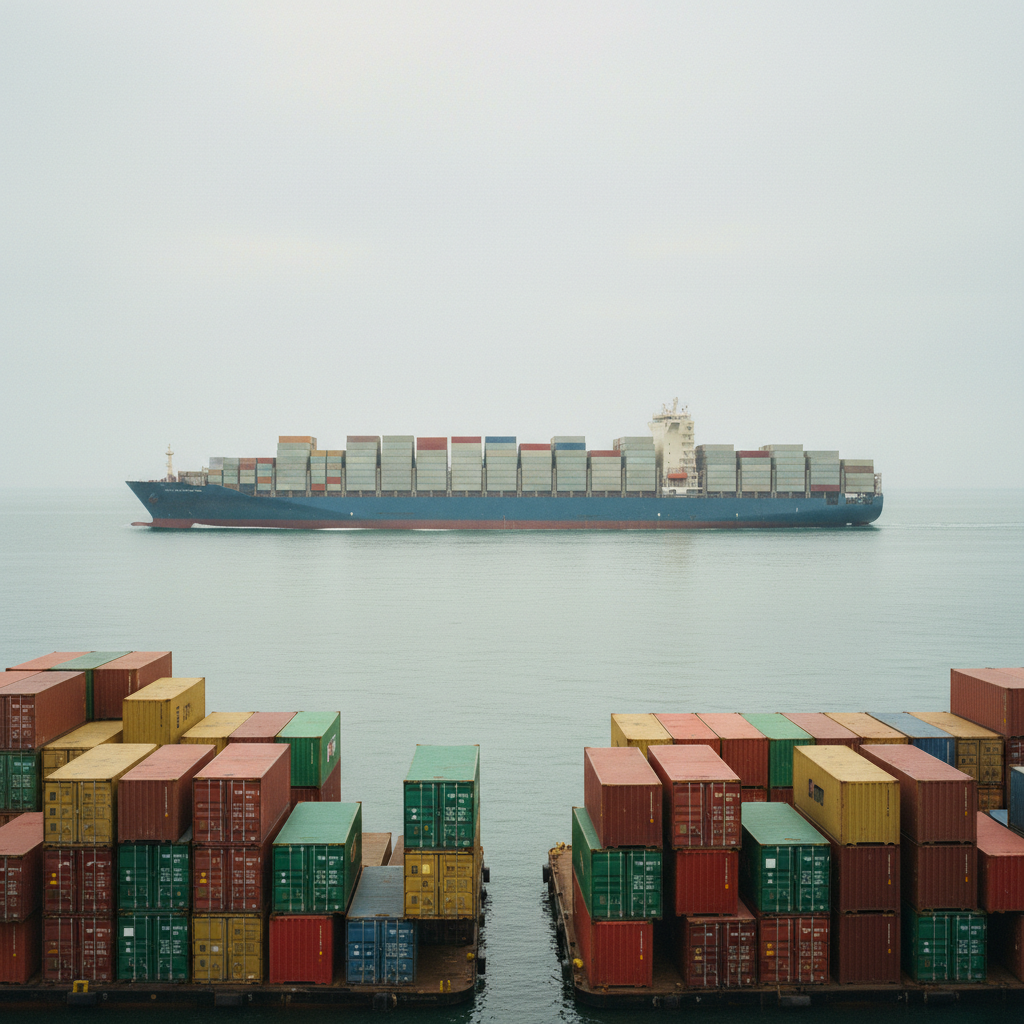
The shipping industry is not waiting for 2027 to start charging for carbon. Across the world’s busiest trade lanes, major maritime carriers are already rewriting their rate books. The moves come as a bitter dispute intensifies between European exporters, East Asian manufacturing hubs, and global regulators over a proposed international carbon levy slated for 2027.
In recent weeks, heavyweights like Mediterranean Shipping Company (MSC), Maersk, and COSCO have quietly adjusted their baseline freight rates. On the crucial Shanghai-to-Rotterdam route, spot rates crept up by nearly 6.5% last month. Many carriers are openly linking these hikes to the impending financial realities of decarbonization. Some have introduced new transition preparedness fees, adding anywhere from $120 to $310 per forty-foot container (FEU).
A Clash of Hemispheres
At the center of the storm is a proposal currently debated at the International Maritime Organization (IMO). Backed heavily by the European Union, the plan would impose a universal tax on maritime greenhouse gas emissions. Proponents argue a steep levy, potentially starting at $150 per ton of carbon, is the only way to make alternative fuels like green methanol commercially viable.
But the backlash from Asia has been fierce. Trade hubs like Singapore, Tokyo, and Beijing view the tax as a protectionist measure disguised as environmental policy. Because of the vast distances involved in shipping goods from Asian factories to Western consumers, Eastern exporters would bear a disproportionate share of the tax burden.
“This is a geographical penalty,” says Kenji Matsui, a logistics analyst based in Osaka. “A container shipped from Tokyo to Hamburg travels more than three times the distance of one moving from North Africa to Europe. Under the proposed model, Asian goods immediately become less competitive. It is not about efficiency; it is about distance.”

Exporters Caught in the Middle
The friction is already spilling over into supply chain planning. European manufacturers who rely on Asian components are watching freight rates rise with growing anxiety. They fear that a combination of higher shipping fees today and carbon penalties tomorrow will drive inflation.
“We are stuck between a rock and a hard place,” says Clara Vance, a supply chain coordinator for a German industrial equipment manufacturer. “We want green shipping. Our customers demand it. But if the transition raises transport costs by 15% overnight, we cannot simply absorb that. The cost will end up on the sticker price of the final product.”
To mitigate these risks, some European importers are already looking to nearshore their supply chains to countries like Turkey or Morocco. While this aligns with the EU’s goals of reducing transport emissions, it represents a massive threat to East Asian ports that have spent decades building high-efficiency, high-volume shipping corridors.
The Race for an IMO Compromise
The shipping lines themselves are in a delicate position. Operating a container fleet is a low-margin, high-capital business. Upgrading a single large vessel to run on dual-fuel engines can cost upwards of $15 million. Building new green ships requires hundreds of billions in capital. Carriers argue that without clear global regulations, they cannot make these investments safely.
If the IMO fails to reach a consensus by the end of next year, the regulatory landscape could fracture. The EU has already integrated shipping into its regional Emissions Trading System (ETS). Industry insiders warn that other regions might follow with their own local carbon taxes, creating a chaotic patchwork of rules that would make international trade vastly more complex and expensive.
For now, the rate adjustments serve as a warning shot. Shipping lines are signaling to both exporters and governments that the green transition will not be free. As the 2027 deadline approaches, the battle over who pays the bill is only going to get hotter.