
A single missile strike on a crowded airport has exposed a harsh reality for Saudi Arabia. Even the most expensive air defense networks in the world have blind spots.
On Saturday, a Houthi projectile slammed into King Khalid International Airport near Riyadh. The attack was devastating. It killed 12 people and left 309 others wounded, making it the deadliest strike inside the kingdom in over a decade. Ground operations came to a sudden halt, flights were diverted, and Western governments quickly updated their travel warnings.
A Mounting Threat From the South
It was not an isolated incident. The Iran-backed group, formally known as Ansar Allah, has targeted the strategic aviation hub multiple times in a renewed military offensive that began in September. Just a day after the deadly strike, Houthi leaders issued a chilling warning telling civilians to avoid all Saudi airports. This escalation raises an uncomfortable question for Riyadh and its Western allies: How are rebel forces from one of the poorest nations on earth repeatedly bypassing some of the most sophisticated military hardware ever built?
Part of the answer lies in the sheer evolution of the Houthi arsenal. Since seizing the Yemeni capital of Sanaa in 2014, the group has transformed its military capabilities. They no longer rely on crude, homemade rockets. Today, they possess an array of advanced long-range weapons capable of striking targets thousands of kilometers away, including Israel and commercial ships in the Red Sea.
The Art of Asymmetric Saturation
To overwhelm Saudi defenses, the Houthis have mastered the art of asymmetric saturation. They launch coordinated waves of slow-moving drones alongside high-speed ballistic and cruise missiles. This mix of speeds and flight profiles creates chaos on radar screens. Their arsenal includes several notable weapons:

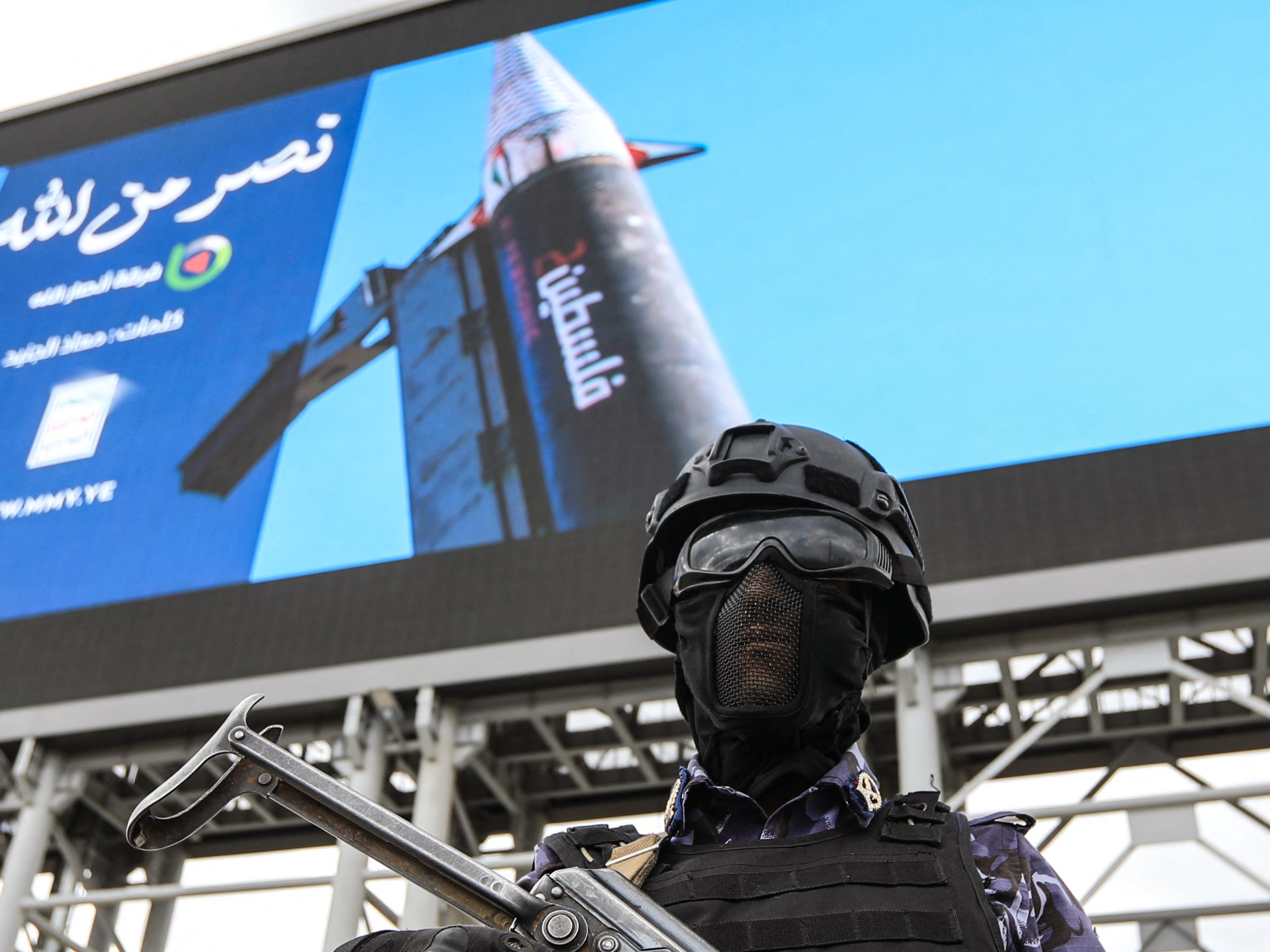
- Palestine-2: A solid-fuel missile with hypersonic characteristics and a 2,000-kilometer range.
- Toufan: A rebranded version of Iran’s Ghadr missile, reaching up to 1,950 kilometers.
- Short-range projectiles: The Badr and Burkan missile series, used for cross-border strikes.
Military analysts point out that these technologies are not homegrown. Nawaf Obaid, a senior fellow at the King’s College War Studies Department, notes that the Houthis show very little capacity for original technological design. Instead, their inventory is heavily based on Iranian designs with some Chinese technical footprints. Their domestic work is largely limited to assembling low-end drones and basic rockets. Recently, Yemeni government forces also warned that the group is developing loitering cruise missiles with direct assistance from Iran’s Revolutionary Guard Corps.
Why the Shield is Cracking
But why cannot Saudi Arabia’s multi-layered defenses stop them? The kingdom relies on top-tier American systems, including Patriot missile batteries. While Saudi forces successfully shot down two ballistic missiles heading for Riyadh just days before the airport disaster, they cannot catch everything.
Obaid emphasizes that no defense system is flawless. When dealing with a country as geographically vast as Saudi Arabia, which shares a massive border with Yemen, occasional breaches are mathematically inevitable. For every missile that hits a target, Saudi forces intercept dozens of others. However, in modern warfare, the attacker only needs to succeed once to claim a strategic victory.
There is also a strategic misalignment. Defense expert Wolfgang Pusztai points out that Saudi Arabia’s anti-ballistic missile infrastructure was originally set up to counter threats coming from Iran, not Yemen. As Houthi attacks intensify, Riyadh is scrambling to reposition its radar systems and interceptors toward its southern border.
Perhaps the most critical issue is a global shortage of ammunition. Saudi Arabia is running low on Patriot and THAAD interceptors. These highly sophisticated missiles are incredibly expensive and take years to manufacture. Stockpiles across the Middle East were heavily depleted during the early phases of the wider conflict involving Iran. Facing a supply crunch, Riyadh has recently approached allied nations, asking for urgent air defense reinforcements and extra interceptor batteries.
For now, the skies over Saudi Arabia remain vulnerable. The Houthis have shown they can locate and exploit the gaps in Riyadh’s shield. Until the kingdom can replenish its interceptor stockpiles and adapt to these multi-pronged drone and missile salvos, its vital infrastructure remains squarely in the crosshairs.