
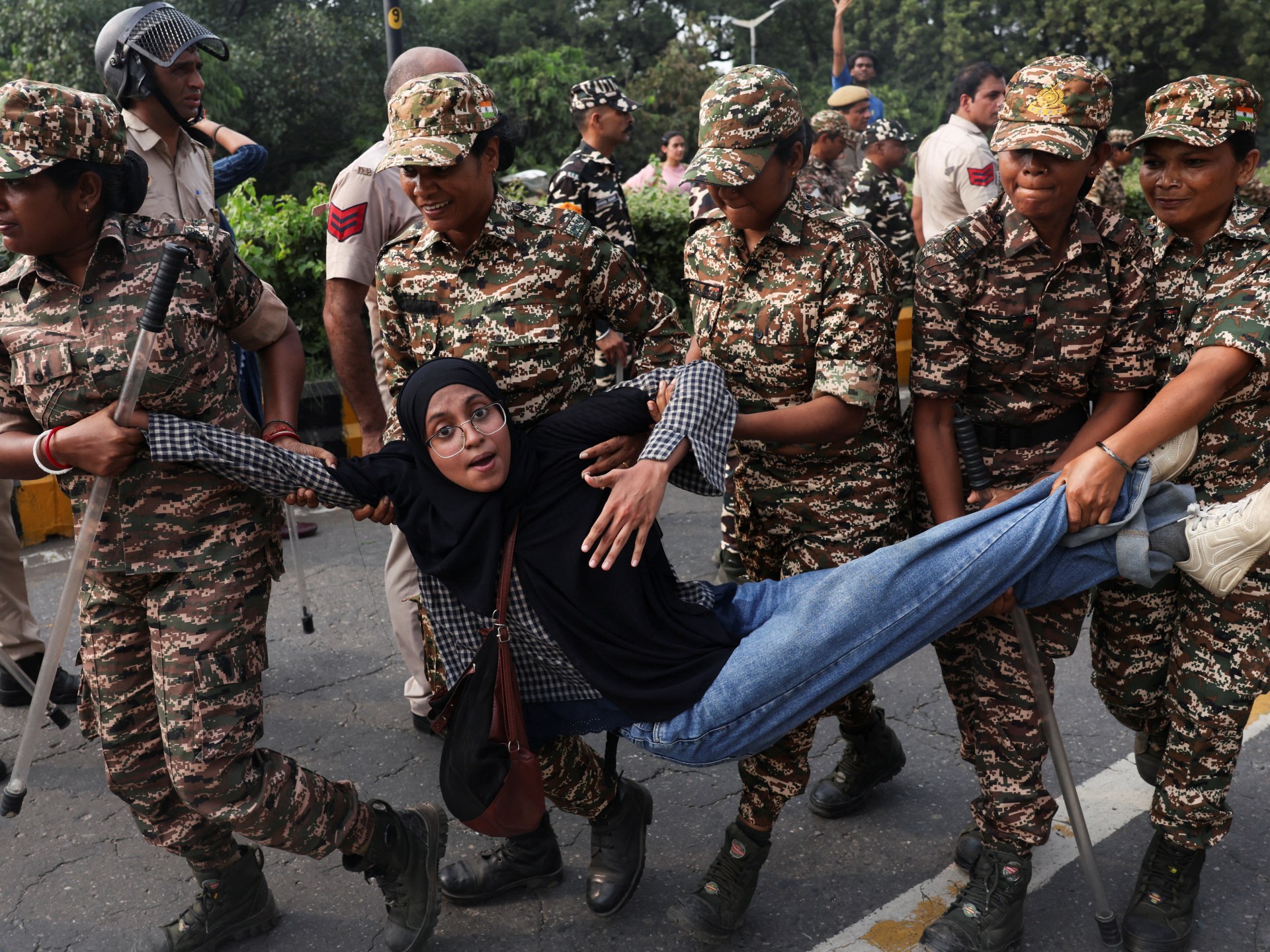
New Delhi is recovering from a tense weekend. On Saturday, the Indian capital transformed into a virtual fortress as tens of thousands of security personnel moved in to block a massive youth-led demonstration. Yet, despite the sweeping arrests of prominent activists, opposition politicians, and even journalists, organizers say their movement is far from over.
The "Cockroach Janta Party" (CJP) and allied student groups have pledged to press ahead with their campaign. They want Chief Election Commissioner Gyanesh Kumar to step down. The anger stems from a major revision of voter lists. Critics say the process has purged millions of voters—particularly Muslims—from the rolls in a bid to help Prime Minister Narendra Modi’s ruling Bharatiya Janata Party (BJP). The government has blamed technical errors, but protest leaders call it a deliberate attack on democracy.
An investigation by the Indian Express newspaper fueled the fire. It revealed that two of the election commission’s three members had objected to several of Kumar’s key decisions.
A Capital Turned into a Fortress
The state’s response to the planned demonstrations was massive. More than 30,000 police and paramilitary forces flooded the capital. They blocked main roads with concrete barricades and parked anti-riot vehicles armed with tear-gas launchers at key intersections. Metro stations were shut down. Mobile internet went dark in several neighborhoods to disrupt online organizing.
The authorities targeted the symbolic heart of the movement: Jantar Mantar. The historical protest site near India’s parliament was sealed off completely. It is the same spot where the CJP led protests in July over exam paper leaks, which eventually forced the resignation of Education Minister Dharmesh Pradhan.
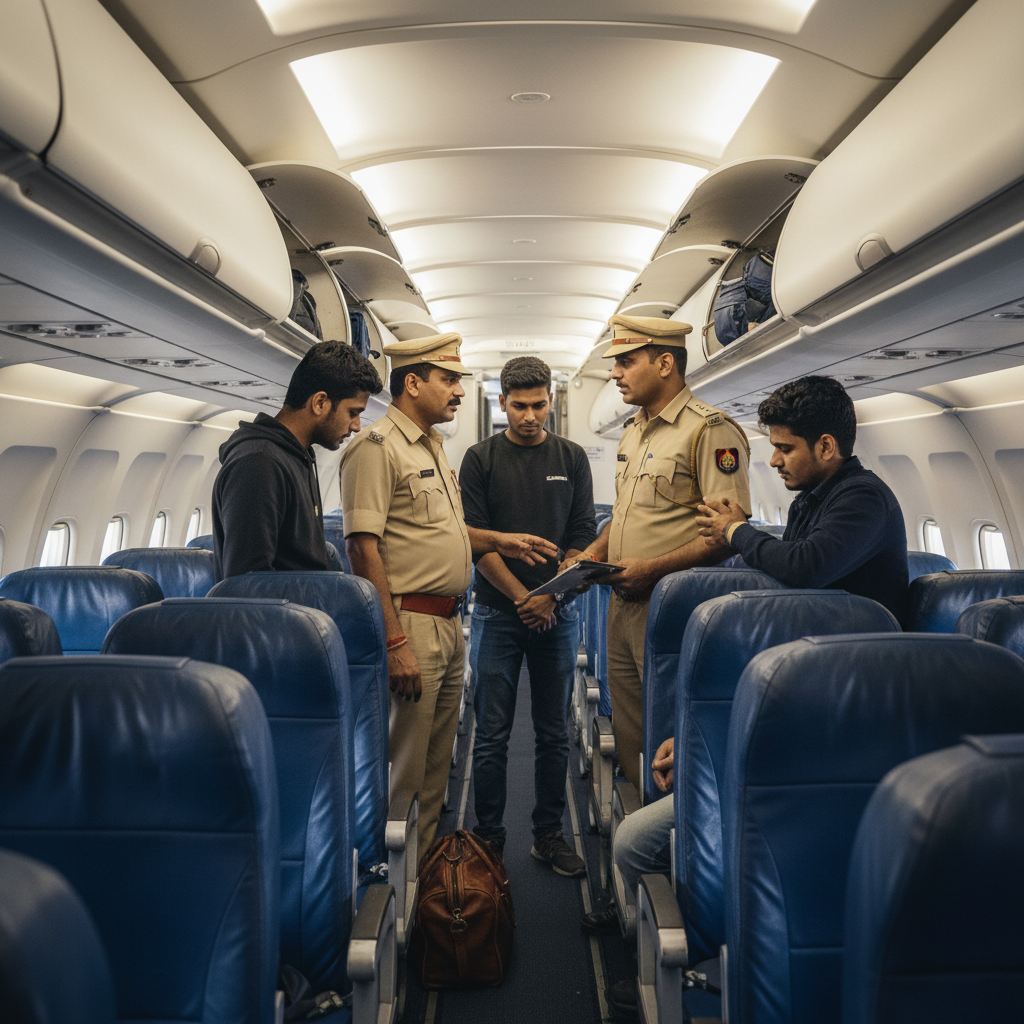
This time, police took preemptive action. CJP founder Abhijeet Dipke and his close associates, Saurav Das and Ashutosh Ranka, were detained before they could even step off their Air India flight from Mumbai. Police officers boarded the plane immediately after it landed. In a video captured by Ranka, Dipke was seen telling officers he was not afraid of getting arrested, calling the crackdown "a dictatorship."
Mass Detentions and the Court’s Intervention
The sweep did not stop there. Popular YouTuber Dhruv Rathee and Neha Bora, national president of the left-wing All India Students’ Association (AISA), were also taken into custody. Police even swept up key regional opposition figures, including West Bengal Chief Minister Mamata Banerjee, Delhi’s Arvind Kejriwal, and Kerala’s Pinarayi Vijayan. Around 600 people were arrested in Mumbai as well.
By Sunday, the Supreme Court stepped in, labeling the mass detentions "illegal." Authorities subsequently released the protesters.
The CJP leadership, however, had to sign an agreement promising "no breach of peace" for a year. Still, they remained defiant. Speaking to reporters on Sunday, Saurav Das accused the police of behaving like "mafia dons" during the airplane arrest. Dipke took to X to voice his anger, calling Modi a "bully" and an "embarrassment to India."
Press Freedom Under Fire
Ordinary citizens who participated in the protests were left shaken. Aban Raza, a 37-year-old Delhi visual artist who was detained, spoke of her shock. "We are protesting for the right to vote," she said. "It affects all of us. So why is the police suspicious of us?"
The crackdown also caught members of the press in its dragnet. Journalists from independent outlets like Scroll.in and Newslaundry were temporarily held. Some reported that their camera gear was confiscated.
Kunal Majumder of the Committee to Protect Journalists criticized the police actions, stating that a free press is vital for any democracy. "Just as police personnel are doing their jobs, journalists are also doing theirs," he said.
Despite the heavy-handed security response, small splinter protests occurred at tourist spots like the Dilli Haat crafts market. Activists say that while the capital may be quiet for now, the underlying anger over the integrity of the upcoming elections has not gone away.