
A Sudden Sweep on the Border
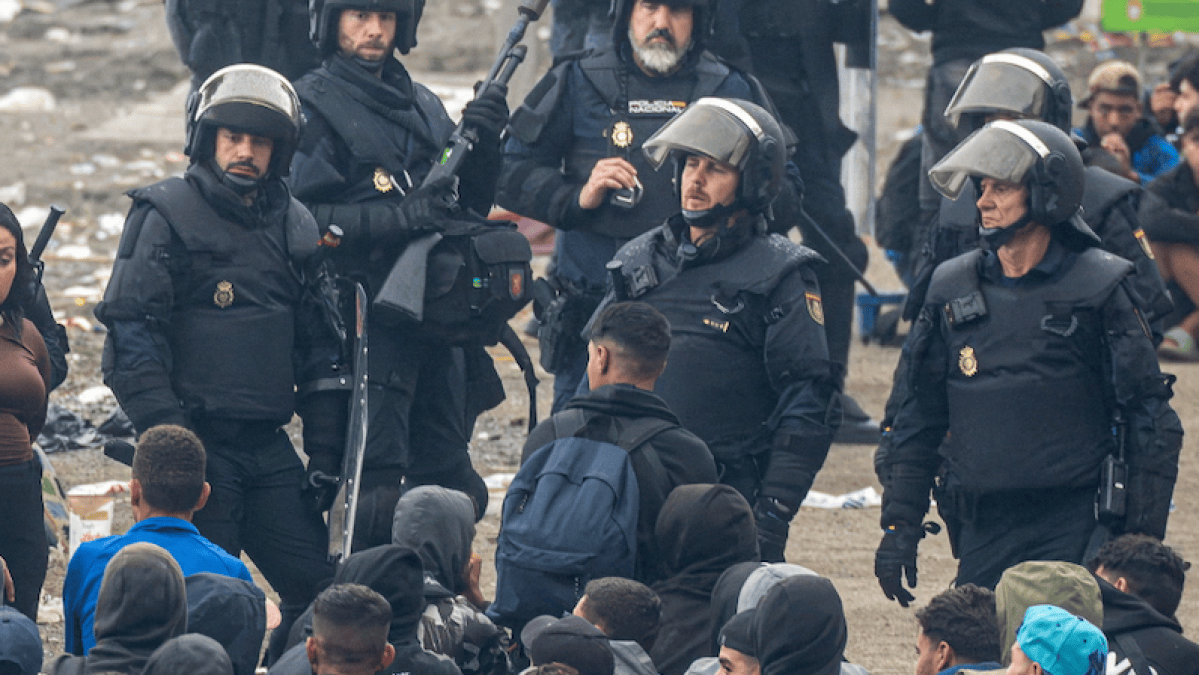
The makeshift shelters on the rocky hillsides of Ceuta are gone. They have been replaced by empty dirt and scattered belongings. In the days leading up to the official visit of Spain’s King Felipe VI and Queen Letizia on October 13, Spanish authorities launched a sweeping operation to clear out migrant camps. But those living in the temporary settlements say the cleanup was far from peaceful.
Several migrants have accused Spanish soldiers of physical abuse during the evacuations. They describe being awakened rudely, shoved, and beaten as security forces dismantled their temporary homes. For many who made the perilous journey to the North African enclave, the sudden violence came as a shocking blow. The soldiers arrived without warning. Then came the blows.
Stories of Violence in the Shadows
Details of the alleged mistreatment are starting to emerge from the enclave. Eyewitnesses claim that military personnel used unnecessary force to move people out of sight. The goal, many believe, was to present a clean, orderly image of the city before the royal entourage arrived. One young man, who declined to give his name out of fear of deportation, explained that the soldiers simply wanted them gone. They did not care where the displaced people went, as long as they were out of sight.
Local activists and humanitarian workers have expressed deep concern over these reports. They argue that clearing camps without providing alternative shelter only pushes vulnerable people further into danger. Many of those displaced are now hiding in the hills, sleeping in the open with little food or water. The physical injuries reported by the migrants include severe bruising and cuts, which they say resulted from batons and rough handling by the troops.

A Geopolitical Pressure Cooker
Ceuta, along with its sister enclave Melilla, represents the only land borders between the European Union and Africa. This unique geography makes it a hotspot for migration and a flashpoint for international tension. Morocco claims sovereignty over both territories, viewing them as occupied Moroccan land. Spain, conversely, insists they are integral parts of its national territory.
This dispute turns every border incident into a diplomatic tightrope. Whenever Spanish authorities tighten security or Morocco relaxes its border patrols, political pressure builds. The timing of the royal visit has only raised the stakes. A visit by the Spanish monarch is a powerful assertion of sovereignty, one that Rabat views with quiet displeasure. By clearing the camps, Madrid may be trying to project absolute control over the territory, but the allegations of abuse threaten to overshadow the political message.
The Hard Reality of the Border
For the thousands of people who attempt to cross into Ceuta every year, the high-level political maneuvering matters very little. They face formidable obstacles. High barbed-wire fences, maritime patrols, and strict surveillance guard the enclave. Those who manage to slip through often find themselves stuck in a legal limbo, waiting months or even years for their asylum claims to be processed.
While Spain maintains that its security forces act within the law to manage its borders, human rights organisations have repeatedly questioned the tactics used in the enclaves. The latest allegations in Ceuta add to a growing list of complaints regarding the treatment of migrants at Europe’s southern frontier. With the king and queen scheduled to arrive, the tension on the ground remains high, and the displaced migrants are left wondering what will happen to them once the royal visit is over.