
The Amazon Gift Card Trap: How AI Scammers Steal Your Voice
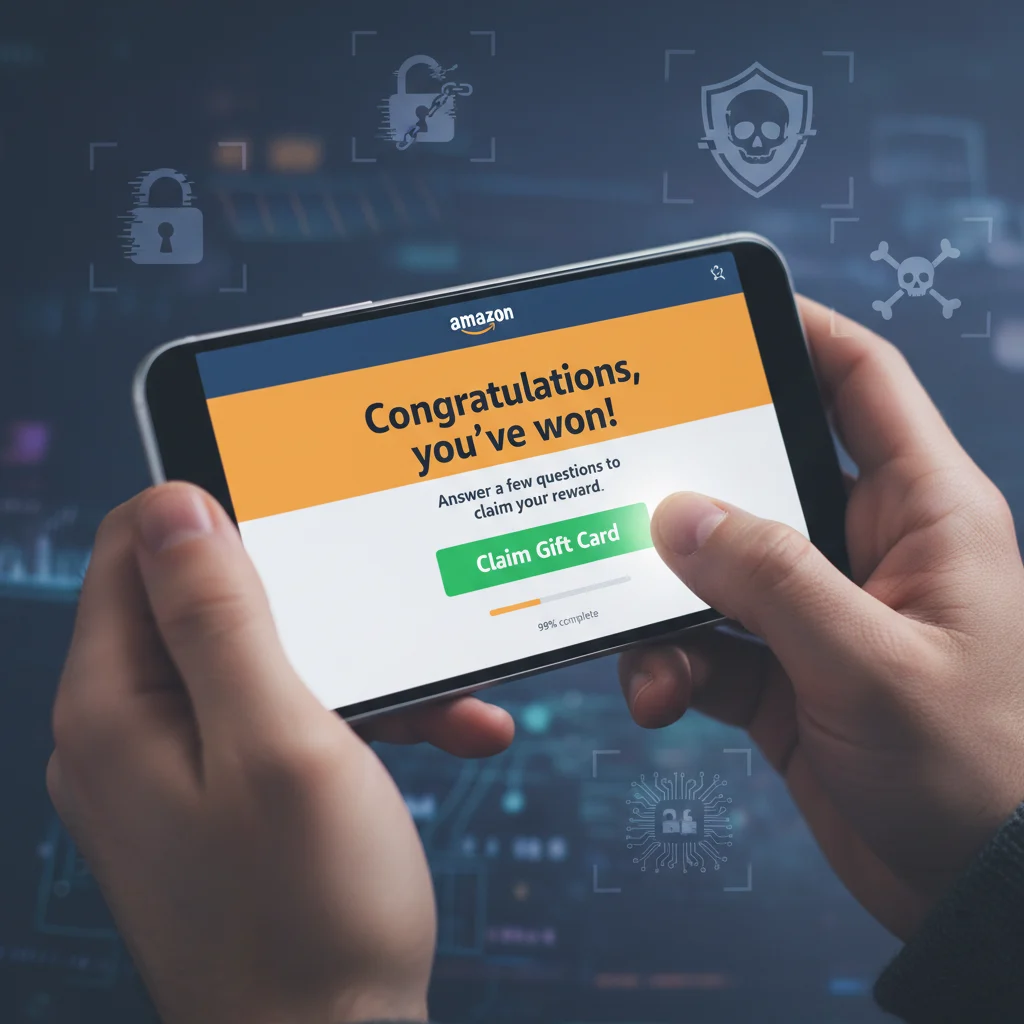
Imagine getting a call from a polite researcher offering a free $50 Amazon gift card. All you have to do is answer a few simple questions. It sounds easy, right? But the Federal Trade Commission (FTC) says this call is a dangerous trap designed to steal something far more valuable than your time: your voice.
Claim Free Amazon Gift Card here
The federal consumer watchdog is sounding the alarm on a sophisticated new phone scam. Fraudsters are blending artificial intelligence with traditional bait-and-switch tactics. They are targeting thousands of Americans, hoping to harvest biometric data that can unlock bank accounts or target family members in terrifying clone scams.
How the Biometric Survey Scam Works
It starts with a ringing phone. On the other end is what sounds like a professional interviewer. The caller might claim to represent Amazon, a major retailer, or a marketing research firm. They offer an enticing reward—usually a gift card worth $50 or $100—in exchange for participating in a brief oral survey.
But the person talking isn’t human. It is a highly advanced AI voice bot capable of real-time conversation. As you answer the questions, the technology is actually recording your voice. They need your unique vocal patterns, inflections, and pronunciations. The survey questions are carefully crafted to force you to say specific words, numbers, or phrases like “yes” and “I agree.”
This is where the real danger lies. By recording your voice, scammers can build a digital vocal profile. With enough high-quality audio, they can train AI cloning tools to replicate your voice perfectly. Within minutes, they have a tool that can speak anything they type.
Why Do Scammers Want Your Voice?
The implications of this theft are severe. Voice recognition has become a standard security measure. Many major banks, credit card providers, and government agencies use “voiceprint” technology to verify your identity over the phone. If a hacker has a high-quality recording of your voice, they can potentially bypass these security hurdles and drain your accounts.
There is an even darker angle to this scheme. Armed with a clone of your voice, criminals can target your loved ones. They call parents or grandparents, pretending to be you in an emergency. The cloned voice begs for immediate financial help to pay for bail, medical care, or travel after an accident. To the panicked relative, the voice sounds exactly like yours. Many fall victim to these heart-wrenching demands, sending thousands of dollars before they realize they were tricked.
Recognizing the Red Flags
The FTC urges consumers to stay vigilant. “If someone calls out of the blue offering a reward for your participation in a survey, hang up,” the agency warned in a recent consumer alert. True market researchers rarely use cold calls to offer high-value gift cards for a few minutes of talking.
There are several key signs that a call is fraudulent. First, watch out for pressure tactics. If the caller says the offer is only good right now, be suspicious. Second, be wary if they ask you to repeat specific phrases or spell words aloud. That is a clear sign they are harvesting biometric data. Finally, remember that caller ID can lie. Scammers use technology to spoof phone numbers, making them appear to come from local area codes or official corporate offices.
How to Protect Yourself
Protecting your digital identity requires a few simple, decisive steps. If you suspect a call is a scam, do not engage. Do not press any buttons to opt-out, as this often tells the scammers your number is active, leading to more calls.
- Just hang up. It is the fastest and safest way to end the threat.
- Keep silent. If you answer and hear silence or a robotic pause, end the call immediately. Avoid saying “hello” repeatedly.
- Do not say “yes.” Scammers often start with “Can you hear me?” to record you saying “yes” for authorization scams.
- Set up two-factor authentication. Use PINs or authenticator apps for your financial accounts rather than relying solely on voice or password verification.
If you have already received one of these calls, you can help others by reporting it. File a complaint at ReportFraud.ftc.gov. The more data federal investigators have, the better they can track down these high-tech criminal networks.