A quiet revolution is reshaping the global energy map. Wealth funds from the Middle East are shifting vast amounts of capital across the Atlantic. They are betting big on South America’s sun and wind.
According to recent industry data, sovereign wealth funds from the Gulf region have committed a record-breaking $45 billion to green hydrogen projects in South America. This massive capital injection comes as Europe and Asia scramble for clean fuels to meet tight decarbonization deadlines.
It is a strategic marriage of convenience. The Gulf has the cash. South America has the space, the wind, and the sun.
Why South America is the Chosen Hub
For developers of green hydrogen, geography is everything. The process requires immense amounts of clean electricity to split water molecules into hydrogen and oxygen.
Chile and Brazil offer some of the cheapest renewable energy on earth.
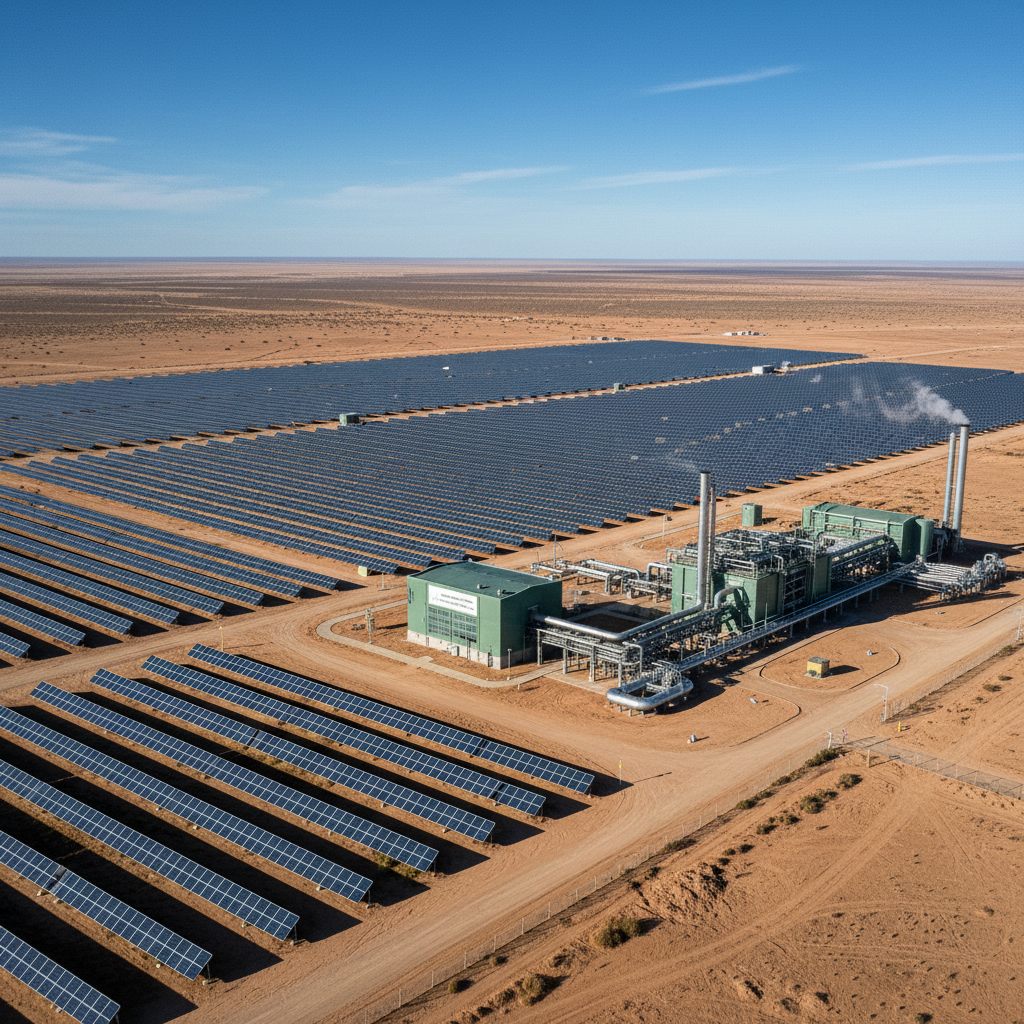
In Chile, the Atacama Desert boasts the world’s highest solar irradiance. Meanwhile, Patagonia offers fierce, unrelenting winds. Brazil’s northeastern coast is equally blessed, with steady trade winds that keep turbines spinning day and night.
Sovereign wealth funds have taken notice. Saudi Arabia’s Public Investment Fund (PIF) and the UAE’s Mubadala have led the charge. They are backing gigawatt-scale projects that would have seemed like science fiction a decade ago.
“We are seeing a profound realignment,” says Maria Thorne, an independent energy analyst specializing in Latin American markets. “Gulf countries know the oil era will eventually fade. By securing control over South American green hydrogen, they ensure they remain global energy kings.”
Where the $45 Billion is Going
The scale of the investment is staggering.
A significant portion of the $45 billion is earmarked for Brazil’s Pecém industrial port complex. Located in the northeastern state of Ceará, Pecém is rapidly transforming into a global hydrogen hub. The port’s proximity to Europe makes it an ideal export terminal.
Mubadala Investment Company has already signed preliminary agreements to fund massive electrolysis plants in the region. These plants will convert clean electricity into green ammonia, which is much easier to transport across oceans than liquid hydrogen.
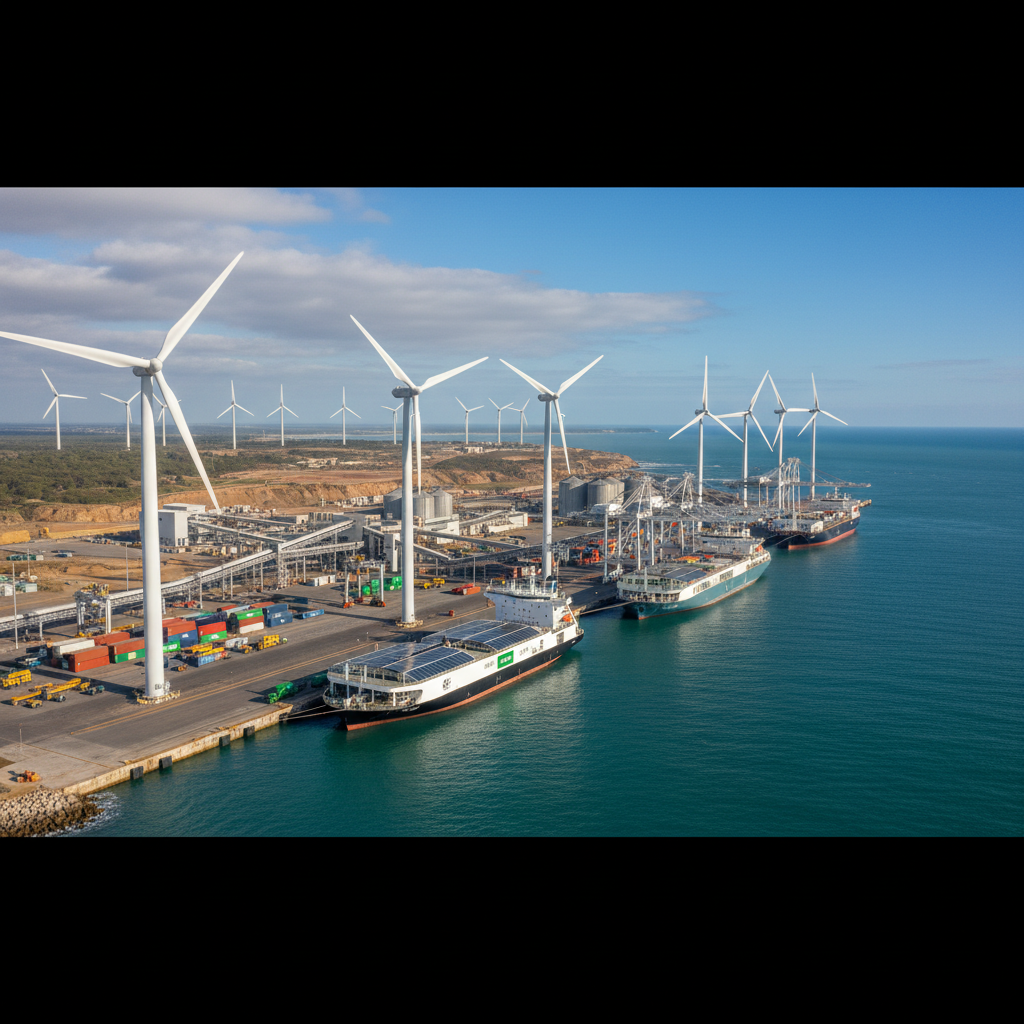
In Chile, ADIA (Abu Dhabi Investment Authority) is backing wind-powered hydrogen facilities in the Magallanes region. These projects aim to export green fuel directly to Asian markets via Pacific shipping lanes.
The sheer size of these investments is driving down the cost of local infrastructure. It is also creating thousands of highly skilled engineering and construction jobs in rural regions.
The Geopolitical Strategy
For Gulf states, this is not just about environmental responsibility. It is survival.
Nations like Saudi Arabia and the United Arab Emirates have built their wealth on crude oil. Now, they are looking to diversify. By investing in South America, they hedge against their own declining oil revenues.
Furthermore, Europe is desperate for clean energy imports. The European Union aims to import 10 million tons of green hydrogen by 2030. Since European land is limited and expensive, importing from South America is a logical solution. Gulf funds are positioning themselves as the essential middlemen in this trade.
“They are buying into the supply chains of tomorrow,” Thorne added. “They want to own the production, the shipping, and the distribution.”
Overcoming the Hurdles
Despite the optimism, massive challenges remain.
Green hydrogen is still expensive to produce compared to fossil fuels. The technology is young. Electrolyzers—the machines that split water—are in short supply globally.
Then there is the issue of water itself. Producing hydrogen requires vast amounts of fresh water. In arid regions like northern Chile, this means building expensive desalination plants, which adds to the project costs and environmental footprints.
Still, the backing of sovereign wealth funds provides a crucial cushion. These funds have incredibly long investment horizons. Unlike private equity firms, they do not need quick returns. They can afford to wait.
With $45 billion already committed, the race to dominate the clean energy market has officially moved south. The investment is set to transform South American deserts and coastlines into the powerhouses of the next century.