The Silicon Shield Expands to Saxony
Germany’s industrial heartland is getting a massive silicon upgrade. For years, European automakers watched helplessly as supply chain bottlenecks in East Asia stalled production lines, leaving half-finished vehicles parked on factory lots for lack of simple microchips. That vulnerability is about to shrink. By late 2026, the first silicon wafers are scheduled to roll off the line at a brand-new facility in Dresden, Germany.
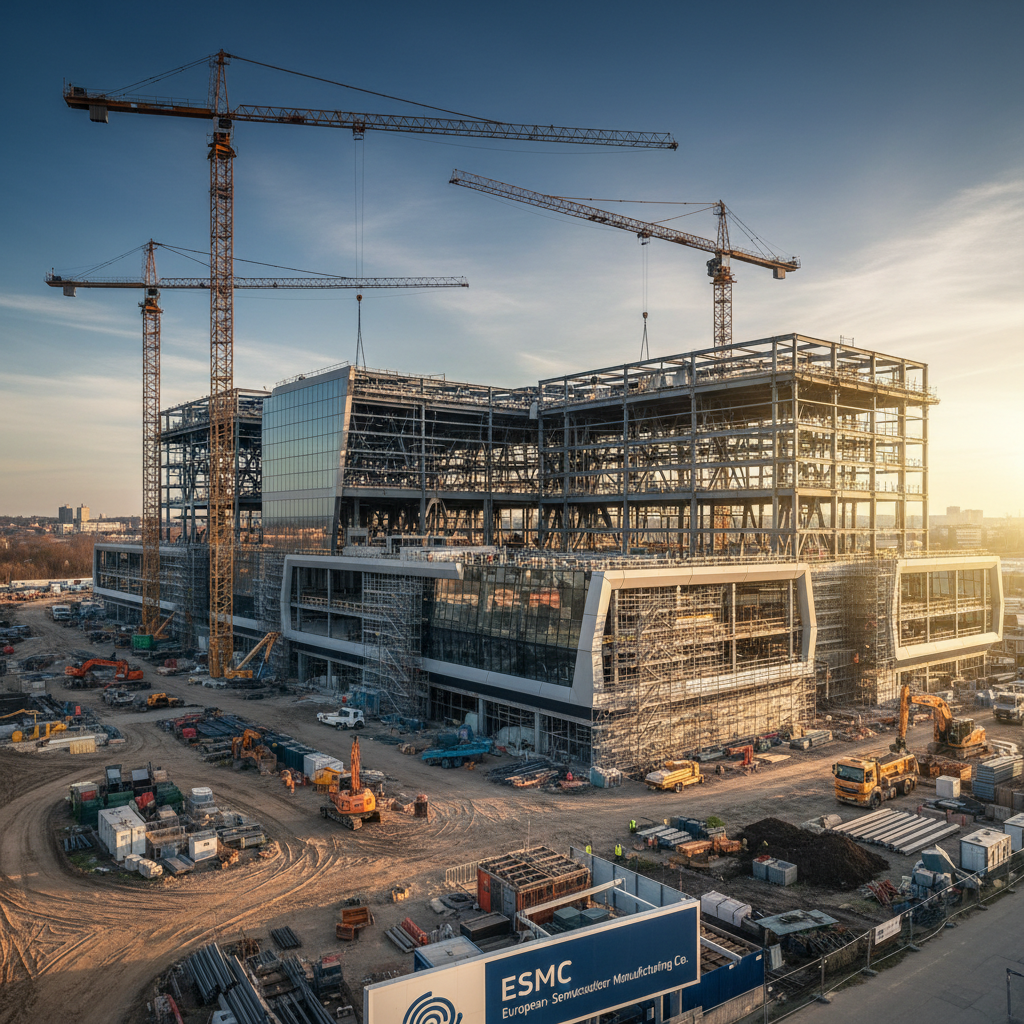
This isn’t just another factory. It is the European Semiconductor Manufacturing Company (ESMC), a joint venture led by Taiwan Semiconductor Manufacturing Company (TSMC). Alongside the Taiwanese tech giant are European heavyweights Bosch, Infineon, and NXP. Together, they are pouring over 10 billion euros ($11 billion) into the project. Half of that massive sum comes directly from German government subsidies, greenlit under the European Chips Act.
Why 2026 is the Crucial Milestone
The timing is everything. Construction is moving at a steady clip after the official groundbreaking ceremony in August 2024. By 2026, the site will transition from a busy construction zone into a highly sensitive, sterile environment. The goal is to reach full production capacity by 2027, churning out 40,000 wafers every single month.
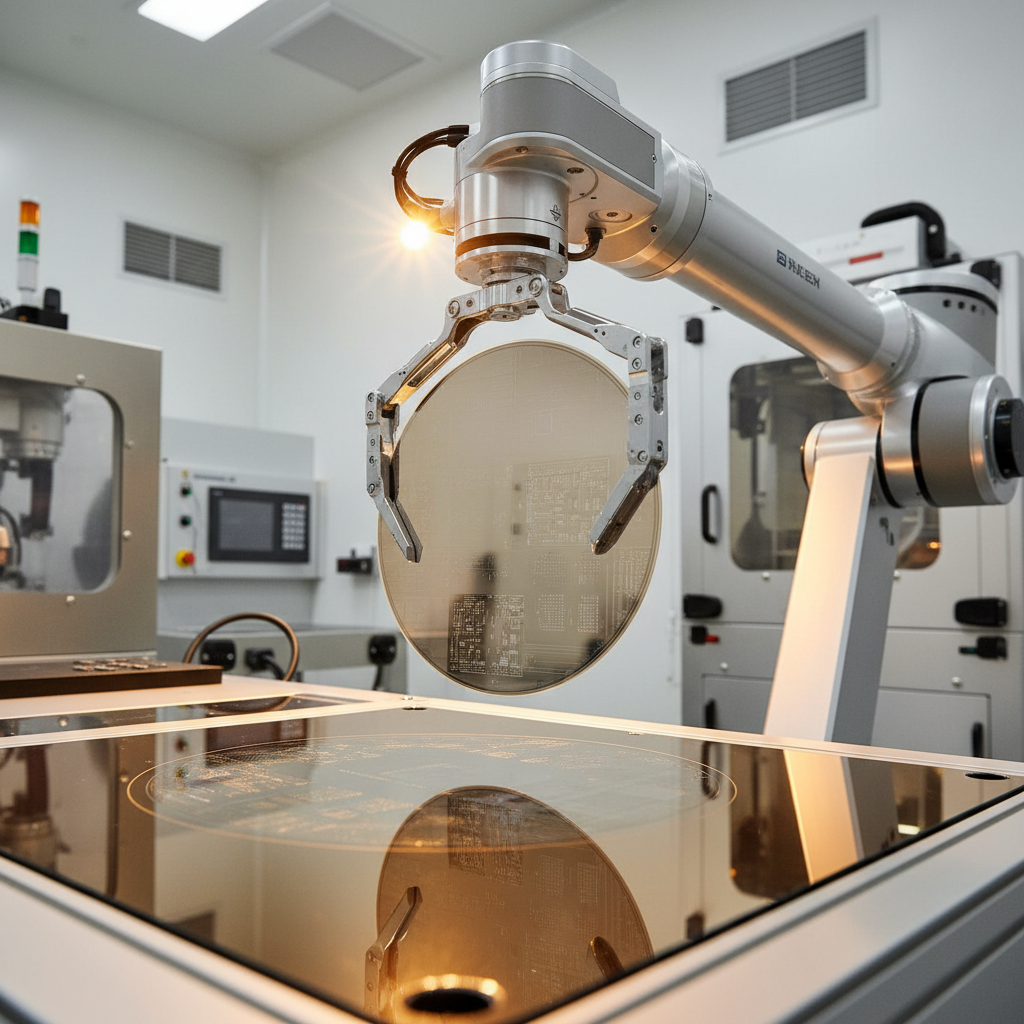
Interestingly, Dresden will not produce the cutting-edge, three-nanometer chips found in the latest smartphones. Instead, the focus is on 28/22 and 16/12 nanometer technologies. These are the workhorse chips. They control car brakes, manage power grids, and run industrial machinery. Local industrial buyers need resilient supply chains close to home. By securing these mature nodes, Europe protects its core automotive and machine-tool sectors from future global shocks.
Geopolitics and Operational Hurdles
This move represents a major shift in Taiwan’s geopolitical strategy. Historically, Taiwan kept its most advanced manufacturing tightly locked at home, creating a protective shield that made the island indispensable to the global economy. Now, rising geopolitical tensions and pressure from Western allies are forcing a geographic rewrite. TSMC is building fabs in Arizona and Japan, but the Dresden facility is uniquely tailored to Europe’s industrial DNA.
Yet, transplanting Taiwanese manufacturing speed to Germany is no easy task. TSMC is famous for its intense, round-the-clock work culture in Hsinchu. Germany, on the other hand, has strong labor unions, strict working-hour limits, and a severe shortage of skilled tech workers. To bridge this gap, local universities in Saxony have partnered with Taiwanese institutions. Hundreds of German engineering students are already spending semesters in Taiwan, learning the ropes directly inside TSMC’s existing cleanrooms.
The Supply Chain Redraw
What does the global supply chain look like in 2026? It will certainly be more fragmented, but also more resilient. Instead of relying on a single logistics route through the South China Sea, European companies will source critical components from their own backyard. It marks the end of cheap, hyper-centralized globalization and the beginning of a regionalized era. For European industries, the premium paid for local chips is a price worth paying for peace of mind.