
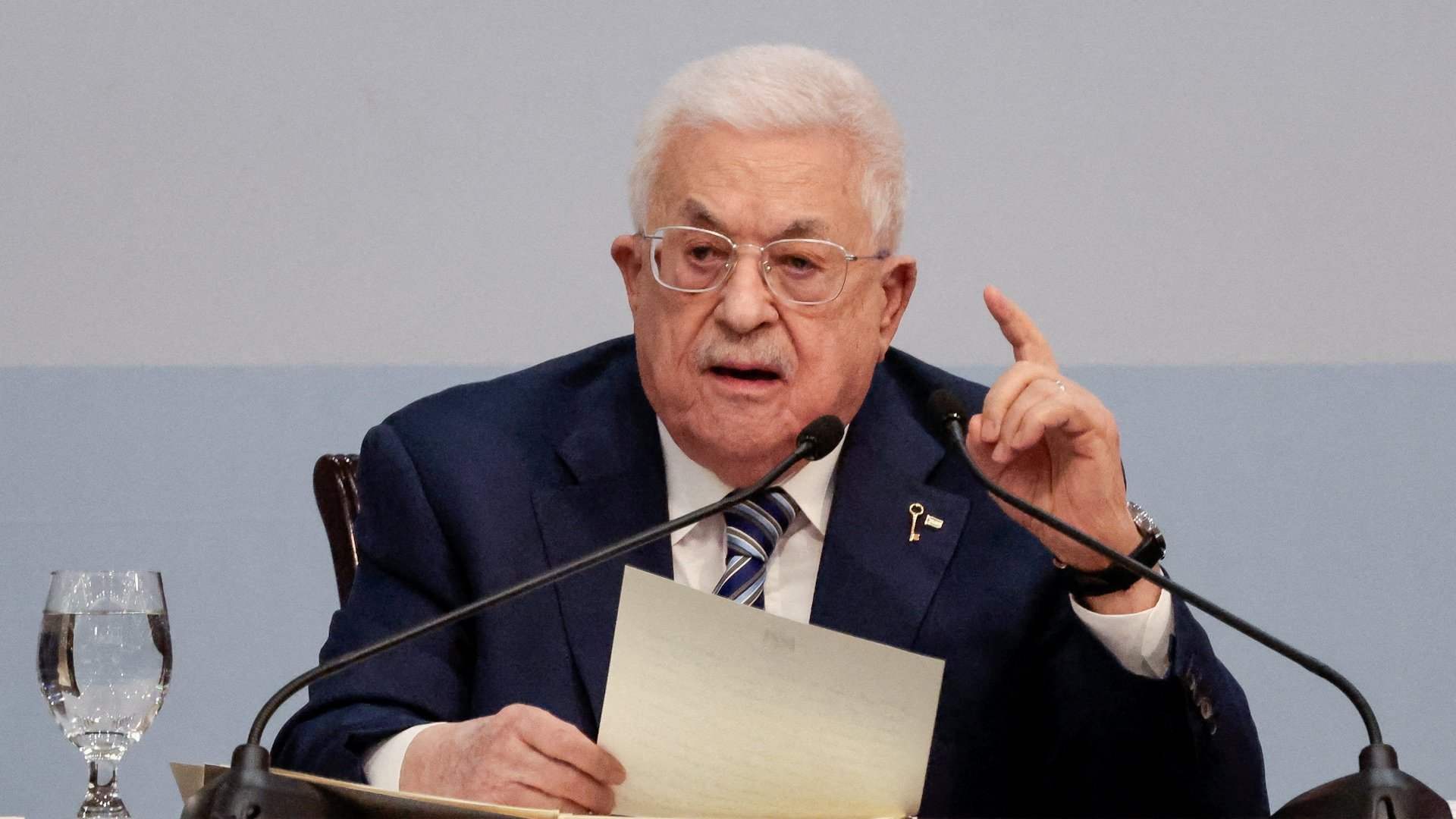
Palestinians are once again asking who speaks for them after President Mahmoud Abbas pushed back legislative elections to September 2027. The decision, blamed on Israeli restrictions and the ongoing turmoil in Gaza and the West Bank, has sparked deep frustration across the territories. For many, it is a bitter reminder of a paralyzed political system.
The announcement did not surprise everyone, but it still stung. Palestinian democracy has been on ice for nearly two decades. The last national legislative vote took place in 2006. Since then, political divisions, conflict, and occupation have repeatedly derailed attempts to return to the polls.
A System on Hold
Abbas defended the postponement by pointing to the realities on the ground. Israeli military checkpoints, the blockade, and the devastating war in Gaza make organizing a fair and inclusive vote virtually impossible right now, according to the presidency. East Jerusalem remains another major hurdle, as Israel routinely bars Palestinian political activity there.
But on the streets of Ramallah and Gaza, the explanation rings hollow for many. Critics argue that the leadership is using the occupation as a convenient shield to avoid a democratic test they might lose. The Palestinian Authority’s popularity has plummeted in recent years, plagued by allegations of corruption and a perceived lack of strategy to end the occupation.
‘Who Will Represent Us?’
For young Palestinians, the delay is more than a bureaucratic setback. It is a denial of their future. More than half of the population in the West Bank and Gaza is under the age of thirty. This means a vast majority of young adults have never cast a vote in their lives.
Locals express a profound sense of political isolation. Without elections, there is no way to hold leaders accountable or inject new ideas into a stagnant political class. The aging leadership in Ramallah operates with dwindling domestic legitimacy, while Hamas governs Gaza under the shadow of a catastrophic war.

“We are ruled by decrees and old agreements,” says Tariq, a university graduate in Nablus who preferred to use only his first name. “We watch other countries change leaders, while our faces stay the exact same. Who actually represents us today? Nobody can answer that.”
The Shadow of 2006
To understand the current deadlock, one has to look back to the 2006 elections. That vote saw a surprise victory for Hamas, which led to a brief, violent civil war and a permanent political fracture. Hamas took control of the Gaza Strip, while Fatah retained its grip on the West Bank administration.
Since that split, every attempt at reconciliation has failed. Multiple election dates have been set, only to be canceled at the eleventh hour. The latest delay to 2027 means Palestinians will have gone over twenty years without choosing their representatives.
An Uncertain Path Forward
With Gaza currently in ruins and the West Bank facing unprecedented security raids and settlement expansion, the logistics of holding an election are indeed daunting. Destroyed infrastructure, displaced millions, and severed communication lines make a ballot impossible in the short term.
Yet, observers warn that delaying the vote so far into the future only deepens the internal crisis. Without a unified, democratically backed leadership, Palestinians find themselves in a weak position on the global stage. The international community has long called for reforms within the Palestinian Authority, but reform is hard to sell without the mandate of the ballot box.
For now, the status quo remains. Decisions will continue to be made by a small circle of veteran politicians, while millions of Palestinians wait for a voice they have been promised for years, but are still denied.