

The line is moving again.
In Gaza, boundaries are never permanent. They shift overnight, redrawing the map of survival for hundreds of thousands of people. Recently, Israeli military forces advanced what is known as the “Yellow Line” deeper into the territory, forcing another massive wave of displacement.
What is this line? To those living on the ground, it is a boundary of immediate danger. It marks the outer edge of active military zones or newly established buffer areas. When it moves, the space left for civilian life shrinks. The latest push has sent Palestinian families fleeing for their lives, dodging heavy gunfire and artillery shelling as they scramble to escape the advancing front.
A Chaos of Sudden Flight
The retreat is rarely orderly. Witnesses describe scenes of sheer panic as the military boundary moves forward. Tank shells hit neighborhoods without warning, and small arms fire echoes down narrow streets, leaving residents with minutes to make a choice. Parents grab their children, snatching up blankets, water bottles, and whatever small bags they can carry before running into the dusty streets.
Many of those fleeing are leaving behind homes they had only just returned to, or makeshift shelters they spent weeks building out of wood and plastic sheeting. The suddenness of the advance leaves no time for planning. Families simply run in the opposite direction of the gunfire, hoping to find safety in areas that are already severely overcrowded.
The Shifting Zones of Conflict
For months, the Israeli military has used color-coded maps and designated perimeters to direct the movement of Gazans. These lines dictate who must leave and where they can theoretically find shelter. But as the Yellow Line creeps further inland, the areas designated as safe are becoming impossibly small.
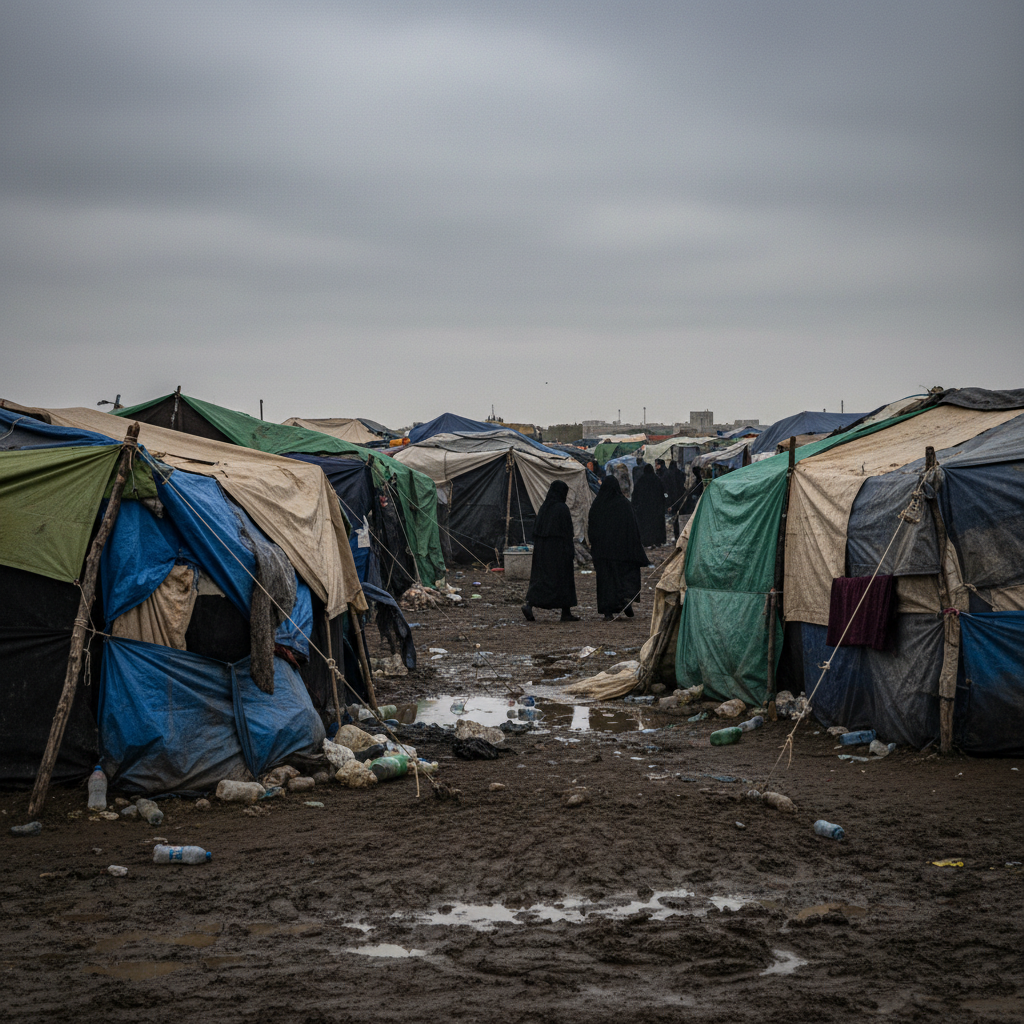
Tent cities are bursting at the seams. Clean water is incredibly scarce, and basic sanitation has completely broken down in the zones where displaced people are forced to gather. Every time the line moves, it squeezes more people into less space, escalating the humanitarian crisis.
The Humanitarian Toll
The strategy behind shifting these boundaries remains a point of intense friction. Israeli military officials maintain that these operations are necessary to clear out stubborn pockets of fighters and dismantle military infrastructure. They argue that moving the lines helps isolate combat zones from the civilian population.
However, aid groups see a different reality. They warn that the constant shifting of these perimeters makes any organized relief delivery nearly impossible. Warehouses, temporary medical clinics, and food distribution centers that were once located in safe zones suddenly find themselves on the wrong side of the line. When a boundary moves, access is cut off instantly, leaving thousands without food or medicine.
The physical toll of this constant displacement is immense, but the psychological wear is just as severe. Many families in Gaza have been displaced multiple times since the conflict began. Each move strips away more of their resources, their energy, and their hope. They pack up, walk miles under the hot sun, set up a new temporary shelter, and wait for the next order to move.
The advance of the Yellow Line is not just a tactical adjustment on a military map. It is a live-time disruption of human lives. As the heavy armor rolls forward and the shells continue to fall, the space for civilian survival in Gaza grows smaller by the day.