
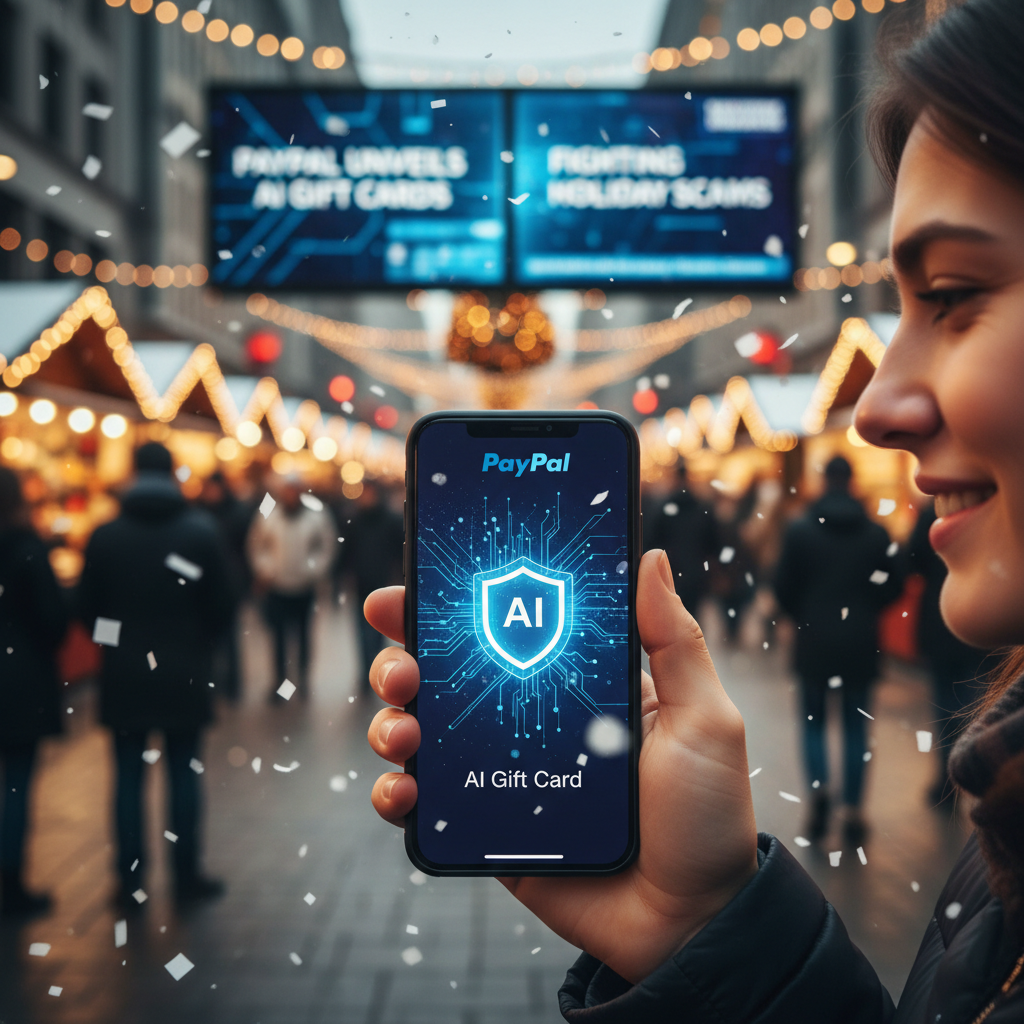
The holiday shopping rush is about to look a lot different. PayPal is rolling out a brand-new, AI-driven digital gift card platform just in time for the 2026 winter season. The move isn’t just about making presents look prettier. It is a direct response to a massive surge in online gift card scams that have plagued consumers and retailers alike over the past few years.
Users can now design their cards using generative AI. Instead of a boring plastic rectangle or a generic email, buyers can generate personalized artwork, write custom poems, or even embed short video greetings directly into the digital card. “We wanted to make digital gifting feel personal again,” said Alex Chong, PayPal’s head of consumer products. “For years, digital cards felt like an afterthought—a last-minute text message sent on Christmas morning. This changes that.”
But the real innovation lies under the hood. Gift card fraud is a multi-billion dollar headache. Criminals routinely use automated bots to drain balances from newly purchased cards. Others trick unsuspecting victims into buying cards as payment for fake services, only to resell the codes instantly on gray-market forums. This leaves victims with empty wallets and retailers with massive chargeback fees.
How PayPal’s New Security System Works
PayPal wants to shut this pipeline down. The new system introduces tokenized delivery. This means the actual gift card code is never exposed in transit or stored as plain text. Instead, it uses a secure, single-use token tied directly to the recipient’s verified PayPal or Venmo account. If the recipient does not have an account, they must complete a multi-factor verification process to claim the balance.

Another clever addition is delayed activation. Buyers can set the card to unlock only when the recipient physically taps a notification on their phone at a retail checkout, or at a specific pre-scheduled time. Meanwhile, behind the scenes, PayPal’s proprietary machine learning algorithms will monitor transactions. The system flags any high-volume buying patterns or immediate transfer attempts to known high-risk reseller networks.
The technology targets the exact vulnerability that scammers exploit. “This is a massive step forward,” noted Sarah Jenkins, a retail security consultant. “Most gift card fraud relies on speed. Scammers need to steal the balance and sell it before anyone notices. By adding verification hurdles and locking the funds to specific user identities, PayPal is making the process too slow and painful for automated scam rings.”
A Seamless Experience for Shoppers
For everyday users, the redeeming process remains remarkably simple. When a recipient receives a card, they get a push notification. With one tap, the funds are added to their digital wallet, ready to be spent online or via tap-to-pay in physical stores. There are no long codes to copy and paste, and no scratch-off pins that can be stolen by bad actors.
Retail partners are already expressing relief. Dozens of major brands have signed up to integrate their loyalty systems with PayPal’s new secure tokens. For these businesses, the reduction in fraudulent chargebacks could save millions of dollars during the critical fourth-quarter shopping window. Ultimately, it turns a highly vulnerable financial tool into a highly secure, personalized experience.
The timing of this release is crucial. The 2026 holiday season is expected to break records for digital-only transactions. As traditional physical retail continues to adjust, digital gift cards have become the default safety net for procrastinating shoppers. By securing this ecosystem, PayPal hopes to win back trust and capture a larger slice of the gifting market. The service is scheduled to roll out to US customers starting in early November, with international markets following shortly after.