
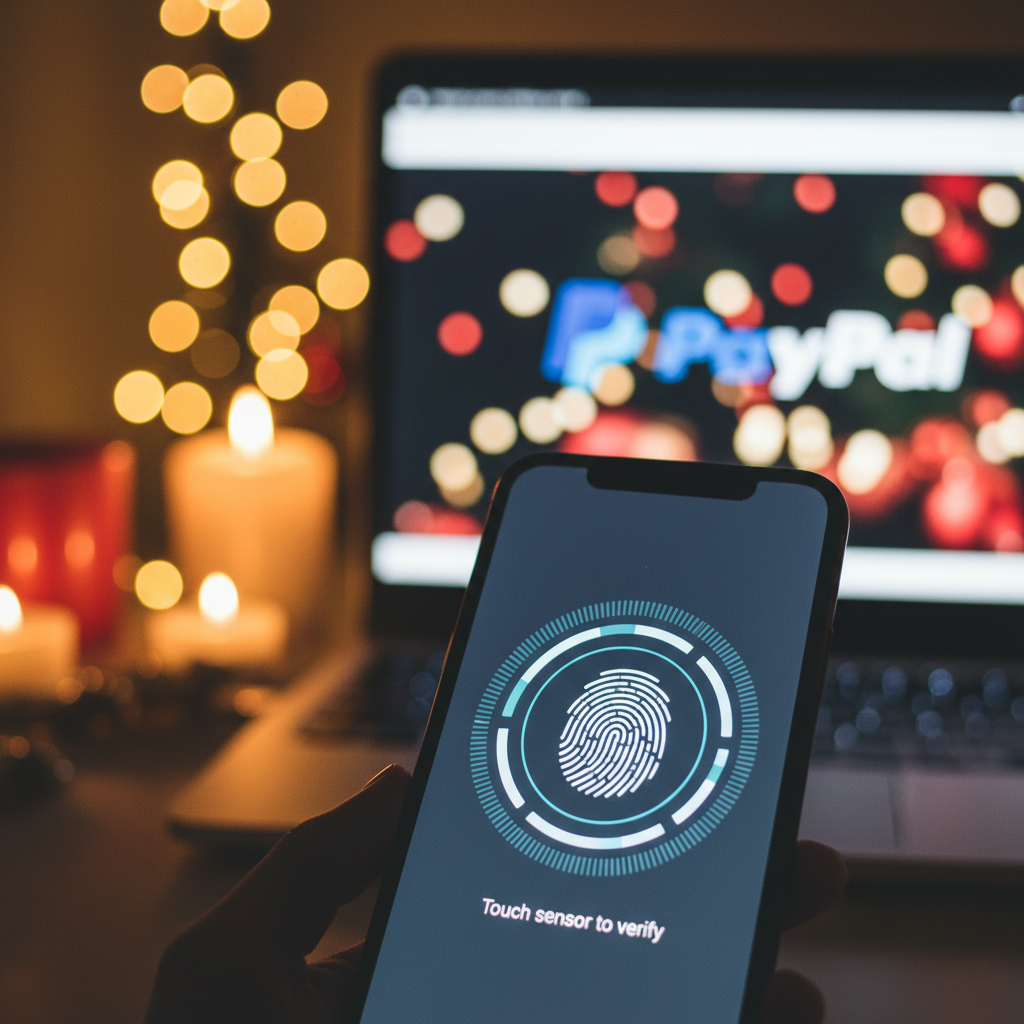
Fighting Back Against Holiday Gift Card Scams
The holiday shopping rush is officially here. With it comes a familiar headache for online payment platforms: rampant transaction fraud. This year, PayPal is drawing a firm line in the sand to protect consumers and its own bottom line. The digital payments giant is rolling out strict new verification rules for anyone trying to buy digital gift cards. If you want to grab a gift voucher for a friend or family member, you will likely need to use a passkey to finish the purchase.
The move is a direct response to a massive surge in sophisticated reseller fraud that typically peaks between Black Friday and the New Year. For criminals, digital gift cards are the ultimate prize. They are as good as cash. They are delivered instantly. And they are incredibly easy to launder on secondary marketplaces. By forcing buyers to use passkeys, PayPal hopes to shut down the automated bots and credential-stuffing networks that make these scams possible.
Why Passkeys Are Replacing the Traditional Password
For years, companies relied on passwords and one-time SMS codes to verify identity. But those methods are showing their age. Cybercriminals have gotten highly adept at stealing passwords through data breaches or intercepting text messages using SIM-swapping and phishing kits. Passkeys offer a far more secure alternative.
Built on technology developed by the FIDO Alliance and World Wide Web Consortium, passkeys replace passwords entirely. They link your digital identity directly to a physical device, like your phone or computer. To authorize a purchase, you simply use your device’s built-in security features. This could be a fingerprint scan, facial recognition like Apple’s Face ID, or a secure local PIN. Because the cryptographic keys never leave your device, there is nothing for a hacker to phish.
This level of security is crucial for the PayPal Digital Gifts portal. The platform has increasingly become a prime target for organized fraud rings. These bad actors buy gift cards in bulk using compromised customer accounts, leaving both the original account owners and PayPal to sort out the financial mess.
The Mechanics of Holiday Reseller Fraud
The mechanics of reseller fraud are surprisingly simple yet devastatingly effective. Botnets constantly scan the dark web for leaked login credentials, testing them on PayPal in rapid succession. When they hit a match, the automated systems don’t waste time trying to ship physical goods to a suspicious address. Instead, they buy high-value digital gift cards from brands like Apple, Google, and Amazon.
Within seconds of the purchase, the digital codes are emailed to burner accounts. From there, the scammers list the codes on unauthorized secondary resale sites at a slight discount. By the time the legitimate account holder notices the unauthorized charge and files a dispute, the funds are gone, the gift card has been redeemed, and the fraudster has walked away with clean cash.
PayPal’s new mandate aims to break this cycle. Even if a bot manages to guess a user’s password, it cannot bypass the passkey requirement. Without physical access to the victim’s phone or laptop to provide biometric confirmation, the transaction is blocked instantly.
What This Means for Holiday Shoppers
For the average consumer, the new security layer might cause a tiny bit of friction, but the setup process is remarkably quick. If you have already enabled biometric login on your smartphone, setting up a PayPal passkey takes only a few taps. Once active, future purchases actually become faster, removing the need to type out long, complex passwords.
However, the transition may frustrate some users who prefer traditional login methods or use older hardware that does not support modern biometrics. Security experts argue that this slight inconvenience is a small price to pay for the massive boost in security. The Federal Trade Commission reported that consumers lost hundreds of millions of dollars to gift card scams last year alone. While those numbers include physical card scams, digital vouchers make up a rapidly growing share of the losses.
A Broader Industry Shift Toward Passwordless Security
PayPal was actually one of the first major financial institutions to embrace passkeys back in 2022. Since then, the company has gradually integrated the technology across its ecosystem. This latest move, however, represents a shift from encouraging passkeys to making them a firm requirement for high-risk transactional areas.
We are seeing similar trends across the tech sector. Google, Apple, and Microsoft have all made passkeys the default sign-in option for their services. As the online retail market braces for record-breaking winter sales, security teams worldwide will be watching PayPal’s rollout closely. If the passkey mandate successfully curbs digital gift card fraud this season, expect to see other major retailers and payment processors quickly follow suit.