
The End of Unused Gift Cards?
We all have that one drawer. It is the graveyard for plastic gift cards to restaurants we do not visit or clothing stores we do not patronize. PayPal wants to change that. The digital payments giant is quietly testing a new feature that lets users convert those forgotten gift card balances directly into usable digital cash within their PayPal wallets.
The tool is currently in early, closed-group testing, according to sources familiar with the company’s roadmap. While the software is functional, consumers will have to wait. PayPal reportedly plans to hold the wide public release until just before the 2026 holiday shopping season.
How the Direct Transfer Works
Historically, getting rid of an unwanted gift card meant dealing with sketchy third-party exchange sites or physical kiosks that take a massive cut. PayPal’s proposed solution aims to make the process almost frictionless.
Users will likely open the PayPal app, select a “Redeem Gift Card” option, and use their phone’s camera to scan the card. After entering the PIN or security code, PayPal’s system communicates with the merchant to verify the balance. Within seconds, that balance is converted into standard PayPal funds or perhaps the company’s own stablecoin, PYUSD.
Naturally, this service will not be free. Sources indicate PayPal plans to charge a percentage-based convenience fee for the transfer. While that might annoy some users, many will gladly pay a small toll to turn a useless $50 store card into cash they can spend anywhere.
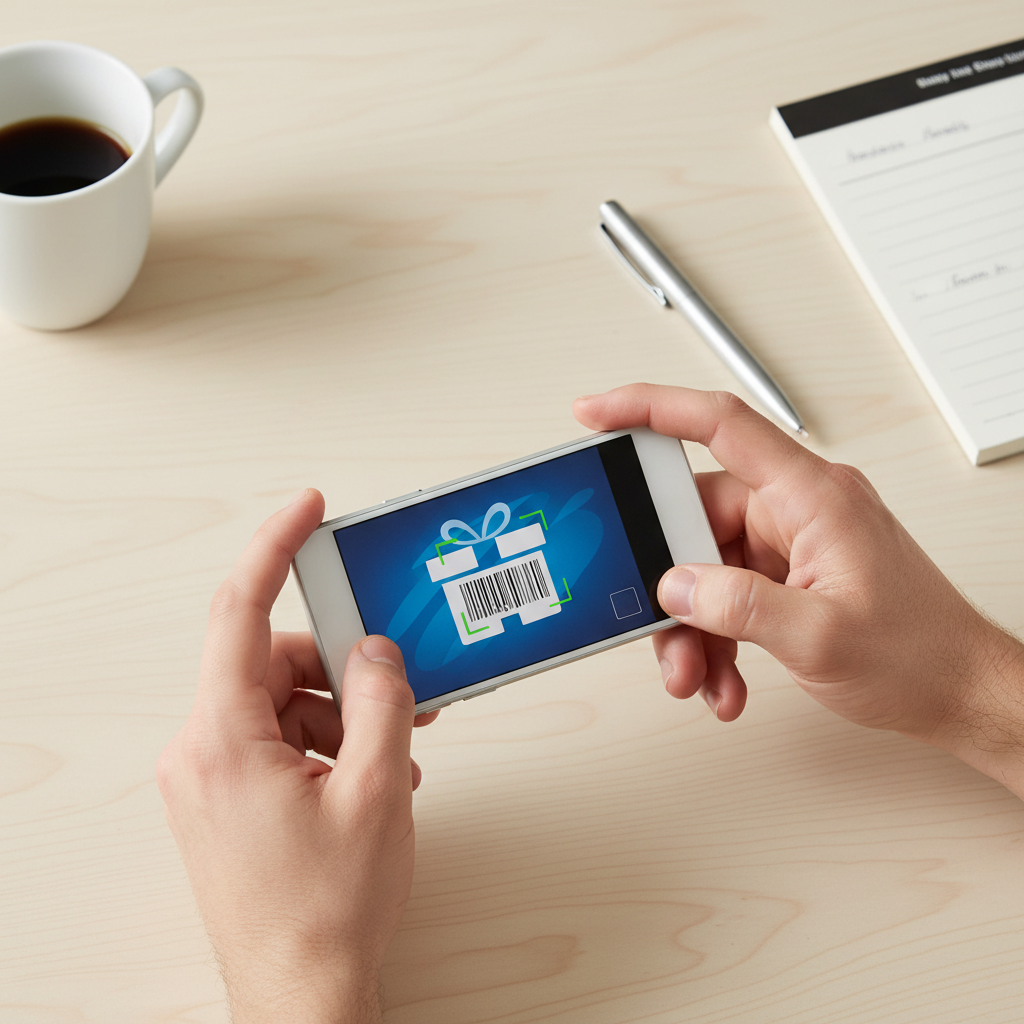
Tapping Into a Multi-Billion Dollar Graveyard
The financial incentive for PayPal is massive. According to industry estimates, Americans hold onto billions of dollars in unspent gift cards every year. A recent study by CreditCards.com found that nearly half of US adults have at least one unused gift card, with the average person holding onto roughly $187 in idle funds. That adds up to over $20 billion nationwide.
“This is a brilliant customer acquisition and retention strategy,” says Sarah Jenkins, a senior retail analyst at FinTech Insights. “If PayPal can unlock even a fraction of those dormant billions, they keep users locked into their ecosystem. That cash will immediately be spent on other transactions where PayPal collects processing fees.”
The Long Road to a 2026 Release
If the technology already works, why wait until 2026? The answer comes down to two major hurdles: security and retail partnerships.
Gift cards are notoriously popular among fraudsters. Because they are largely anonymous, laundering stolen credit card funds through gift cards is a common criminal tactic. PayPal must build incredibly robust security guardrails to ensure users are not transferring balances from stolen or compromised gift cards. A two-year testing runway gives their risk-management teams ample time to train machine learning models to spot fraudulent patterns.
Then there is the merchant side. Retailers actually benefit when gift cards go unused—a phenomenon known in the industry as “breakage.” When a gift card expires or gets lost, the retailer keeps the cash as pure profit. PayPal will need to convince major retailers that cooperating with this transfer system is worth their while, perhaps by offering them data insights or encouraging co-branded promotions inside the app.
Competitive Pressures in Digital Wallets
This move signals PayPal’s broader push to remain the central hub of personal finance. With Apple Pay and Google Wallet eating into its market share, the company needs features that competitors cannot easily copy. By turning plastic waste into digital currency, PayPal might just find a way to win the holiday season—even if we have to wait a couple of winters to see it in action.