

US President Donald Trump is staring down a wave of anger from both sides of the political aisle. The spark? A surprise plan to import diesel from Russia to help cool down soaring fuel costs at home. This decision comes at a highly sensitive time, just weeks before the crucial midterm elections, and as a conflict involving Israel, the US, and Iran continues to squeeze global energy markets.
Only weeks ago, Trump signed a law greenlighting fresh tariffs and sanctions on countries buying Russian energy. Now, this new deal seems to flip that script. The move has triggered immediate pushback from lawmakers who argue it flies in the face of American law.
The Logistics of the Russian Deal
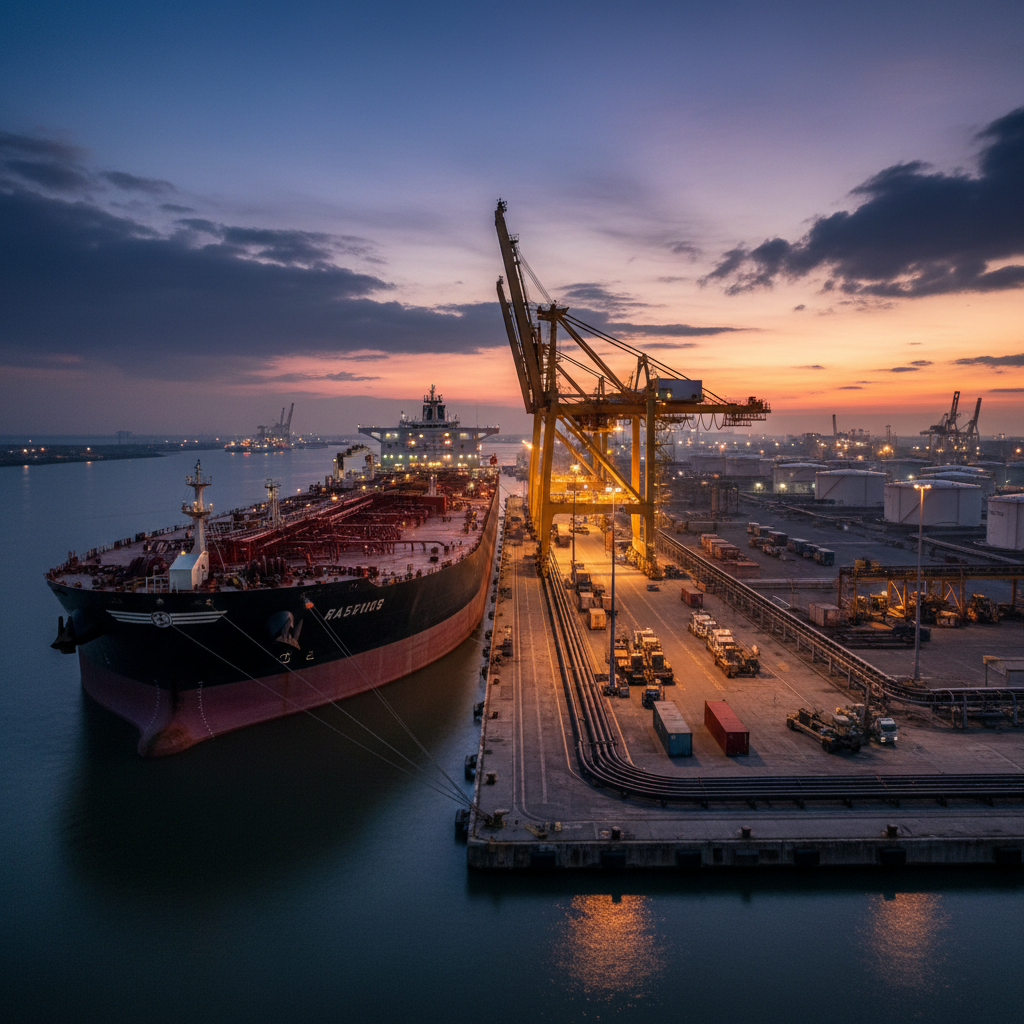
Under the terms of the agreement, Russian President Vladimir Putin has agreed to dispatch 300,000 tonnes of diesel immediately. Trump announced the deal on Friday, promising the fuel would head straight to American and global buyers. More is apparently on the way. Russia is slated to send another 500,000 tonnes in November, followed by a one-million-tonne shipment.
Ultimately, the plan calls for another three million tonnes. However, that final batch depends on the health of Russian refineries, which have taken heavy hits from Ukrainian drone strikes. To make this happen, the US Treasury is temporarily lifting sanctions on Russian diesel exports until April 7, though other Russian assets in US banks will remain frozen. Russia’s Deputy Prime Minister Alexander Novak backed up these figures in comments to the Tass news agency, suggesting monthly exports could eventually hit three million tonnes.
Bipartisan Fury in Washington
The political blowback was swift. A bipartisan group of seven senators—including Republicans Susan Collins, Lisa Murkowski, Thom Tillis, and John Curtis, alongside Democrats Jeanne Shaheen, Richard Blumenthal, and Ron Wyden—released a joint statement urging Trump to back down. They argue the deal is flat-out illegal.
“The United States should not provide Putin with a financial lifeline while Russia continues to kill Ukrainian civilians,” the senators wrote. They reminded the administration that Congress explicitly outlawed Russian energy imports in 2022 to keep American money out of the Kremlin’s war chest.
Ukrainian President Volodymyr Zelensky was equally blunt, calling the agreement a “gift” to Moscow and “an investment in a war that must be ended.”
Midterm Pressure and the Economic Reality
So why take such a massive political risk? The answer lies at the pump. The US-Israel war with Iran, which flared up in late February, has wrecked crude oil supplies. Consequently, prices have gone through the roof. For American voters, high prices are a primary concern as they prepare to head to the ballot box. Polls show deep public frustration with how Trump has handled both the economy and the Middle East conflict.
Diesel is the lifeblood of the American heartland. Farmers need it for tractors, and truckers need it to haul food. Right now, a gallon of diesel costs an average of $6.28. While that is slightly down from September’s peak of $6.53, it is still painfully high. Trump took to Truth Social to defend his decision, writing that lowering fuel costs for “farmers, ranchers, and truckers” is his highest priority.
Yet energy experts are skeptical that this Russian lifeline will do much to lower prices. The US burns through roughly 3.6 million barrels of diesel every single day. The initial 300,000 tonnes from Russia represents only about half of what the US consumes in a single day.
International Friction and “Ceasefire” Claims
Opposition is also brewing abroad. Canadian Prime Minister Mark Carney and UK Defence Secretary Wes Streeting have criticized the deal. Streeting argued that Western allies should be tightening the screws on Moscow, not offering economic relief.
Still, the White House has some defenders. Treasury Secretary Scott Bessent insisted the deal uses legitimate legal loopholes to lower costs, dismissing congressional critics. Meanwhile, Kentucky Representative Thomas Massie, a Republican who often clashes with Trump, suggested the US should go even further and scrap all petroleum sanctions.
In a strange twist, Trump claimed on Sunday that Russia and Ukraine had brokered an “energy ceasefire.” While Zelensky welcomed the announcement, the Kremlin has remained completely silent, leaving the true status of the deal—and the war’s energy front—shrouded in uncertainty.