
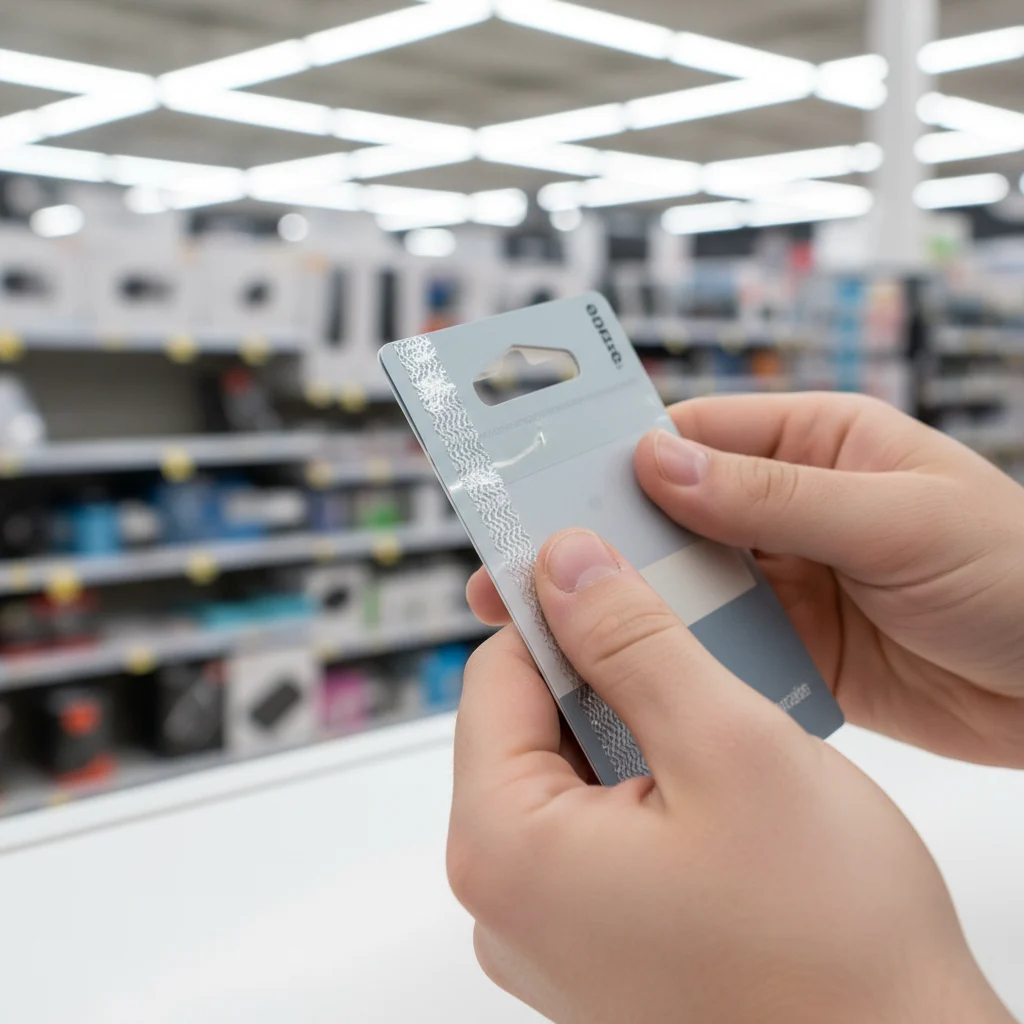
The Invisible Threat on the Racks
Holiday shoppers are facing a nasty surprise at checkout counters this year, and it has nothing to do with inflation. Organized retail crime rings have targeted the humble gift card rack, forcing brick-and-mortar stores into an aggressive game of cat-and-mouse to protect consumers.
Claim Free Amazon Gift Card here
The scam is known as “card draining.” It is quiet, fast, and incredibly hard to spot until it is too late.
How Card Draining Works
The scheme is remarkably low-tech at the start, but relies on speed once the card is active. Here is how it happens:
- Criminals walk into a grocery store or big-box retailer and grab handfuls of unactivated gift cards—often high-value options like Amazon, Apple, or prepaid Visa cards.
- They take them home. Using heat guns, razor blades, and replacement security stickers easily bought online, they carefully peel back the packaging to reveal the card’s PIN and barcode.
- After recording the numbers, they reseal the packaging and slip the tampered cards back onto store shelves.
Then, they wait.
The moment an unsuspecting shopper buys the card and loads it with cash at the register, the scammers’ automated software detects the activation. Within seconds, the funds are transferred to another account or used to buy online goods. When the recipient finally tries to use their gift, the balance is zero.
Locking Down the Gift Card Racks
Retailers are scrambling to stop this. This holiday season, major chains are rethinking how they display these lucrative stocking stuffers. Some grocery stores have completely emptied their traditional lobby gift card racks. Instead, they are moving the cards behind customer service counters or keeping them in locked cases where shoppers must ask an employee for help.
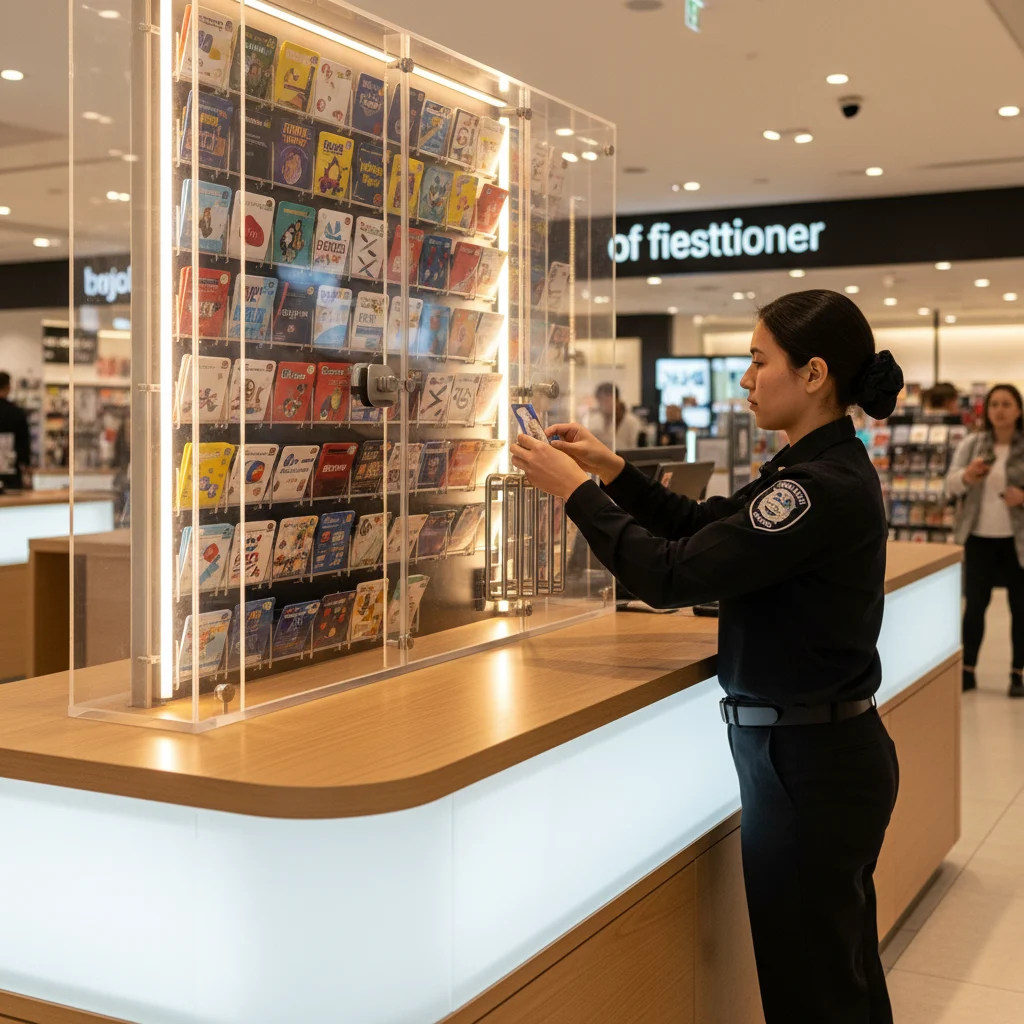
“We had to make a change,” says Marcus Vance, a retail loss prevention manager in Chicago. “Leaving thousands of dollars of inventory out in the open where anyone can tamper with it just doesn’t work anymore. If a customer wants a card, they have to look us in the eye to get it.”
Packaging is also getting a major security overhaul. Amazon and other major retail brands have started using heavy cardboard packaging that must be physically torn open to access the barcode or PIN. This makes it almost impossible for scammers to reseal the card without leaving obvious damage.
Meanwhile, store associates are receiving specialized training to spot tampered packaging at checkout. Clerks are taught to feel for bumps on the back of the card—a sign of a fake barcode sticker layered over the real one. They are also instructed to look for loose adhesive or scratches on the silver scratch-off panels.
Spotting the Tamper Marks
But retail security experts warn that shoppers must also do their own homework to avoid being victimized.
“Do not just grab the first card at the front of the rack,” says security analyst Sarah Jenkins. “Dig toward the back. Inspect the cardboard. If the packaging looks wrinkled, torn, or feels unusually thick near the barcode, put it back and tell an employee.”
Consumers are also urged to keep their receipts. If a card does turn out to be drained, the purchase receipt is often the only proof needed to get a refund from the card issuer or retailer. As the holiday shopping season peaks, the battle over the gift card rack shows no signs of slowing down. Retailers hope that a combination of tougher packaging, vigilant employees, and smarter shoppers will finally put a dent in this fast-growing scam.