
The Invisible Ghost in the Austin Paddock
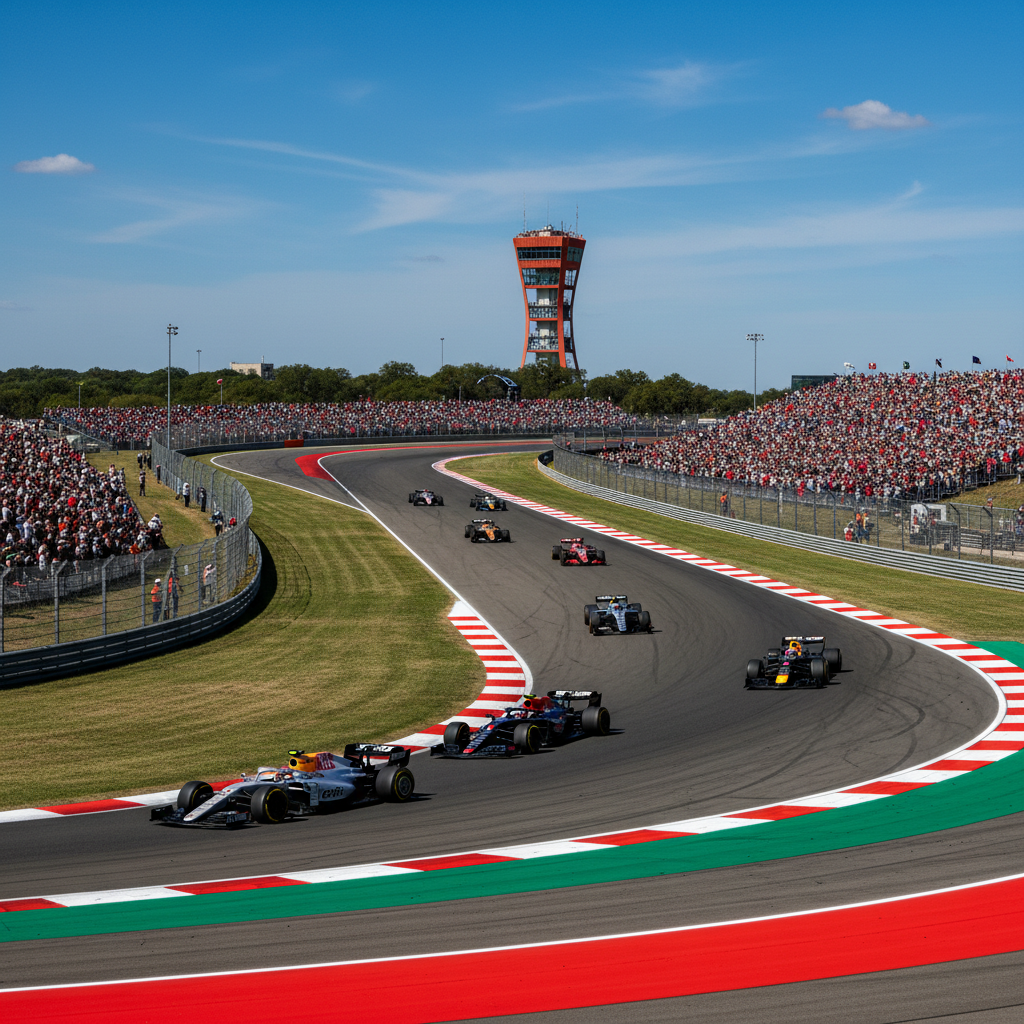
The battle for the 2024 Formula 1 World Championship lands at the Circuit of the Americas in Austin this weekend. Red Bull’s Max Verstappen is trying to hold off a furious charge from McLaren’s Lando Norris. Fans are expecting a classic Texas shootout. Yet, behind the bright garage lights and the roar of the V6 engines, a quiet panic is taking over the paddock.
It is all because of 2026.
In just over a year, Formula 1 will undergo its most drastic regulatory reset in a generation. The sport is introducing smaller, nimbler cars, active aerodynamics that adjust on the straights, and power units that split their output evenly between internal combustion and electrical energy. It is a clean sheet of paper. But because of the strict modern budget cap, teams cannot simply buy their way to the front. They must choose where to spend their limited resources right now.
That choice is actively warping the current championship fight.
The Cost Cap Dilemma
In the past, giant teams like Ferrari or Mercedes would simply run parallel development programs. They would spend hundreds of millions of dollars to upgrade their current car while simultaneously building a completely new machine for the future. Today, the cost cap makes that impossible. Every dollar spent on a new front wing for Austin is a dollar taken away from the 2026 research budget.
This financial squeeze has created a fascinating tactical divide among the top teams:
- Red Bull’s Two-Front War: The reigning champions are struggling with a sudden loss of balance in their current car. At the same time, they are building a brand-new engine facility, Red Bull Powertrains, in partnership with Ford. It is a massive drain on human and financial capital.
- McLaren’s Singular Focus: As a customer team buying Mercedes engines, McLaren does not have to worry about building a power unit from scratch. This has allowed them to focus almost exclusively on refining their current aerodynamic package, helping them leapfrog Red Bull in the standings.
- Ferrari and Mercedes: Both historic powerhouses are playing a longer game, trying to secure the best engineering talent and optimize their power unit designs before the freeze begins.
The January 1 Deadline
Why is Austin the absolute tipping point? The answer lies in the sport’s strict testing rules. Under F1 regulations, teams are legally banned from doing any wind tunnel or computational fluid dynamics (CFD) testing on their 2026 aerodynamic designs until January 1, 2025.
Right now, engineers can only work on the engine and mechanical layouts. But the moment the calendar turns to the new year, a frantic development war will begin. Upgrades brought to Austin this weekend are likely the final major parts we will see on the current generation of cars. Once the paddock packs up after the final race in Abu Dhabi, nearly every designer on the grid will pivot entirely to 2026.
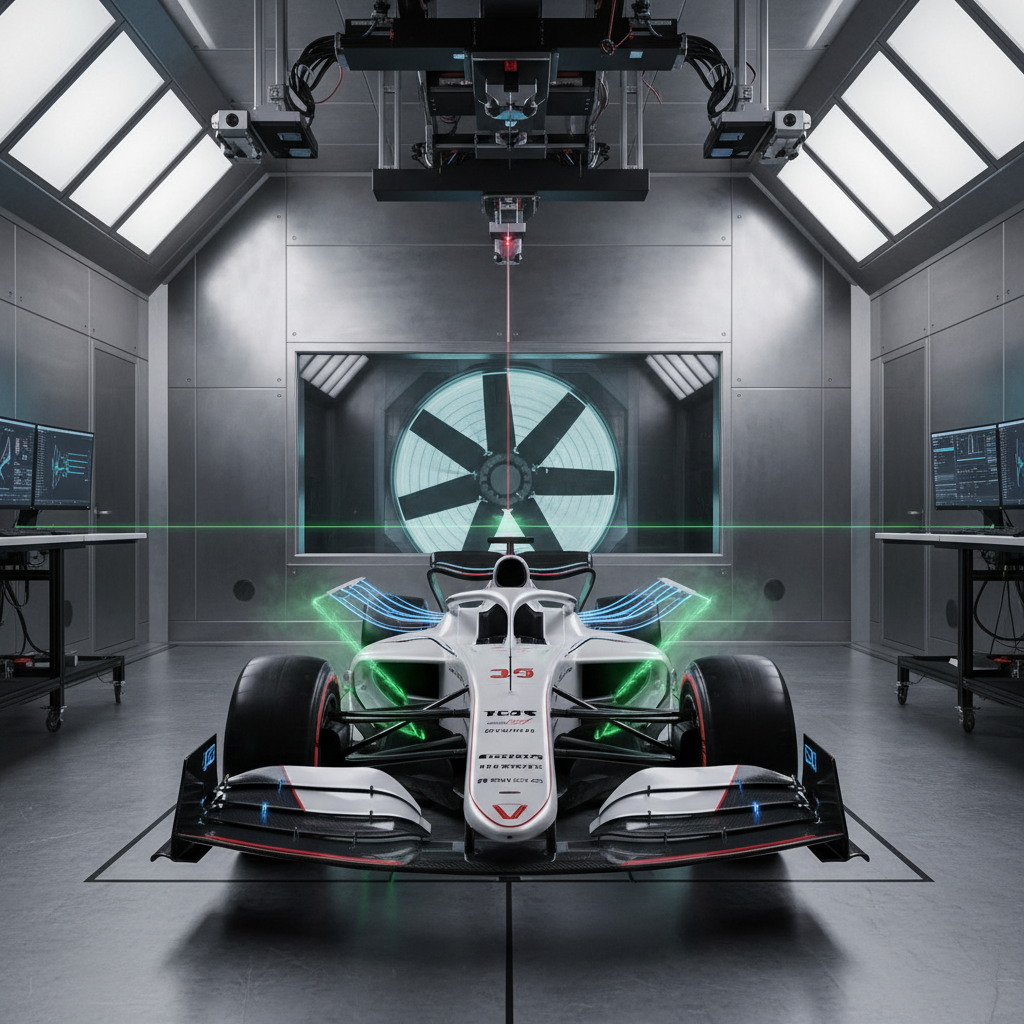
Getting a head start is critical. If a team misinterprets the new aerodynamic rules on day one, they could spend the next three years stuck at the back of the grid. No one wants to take that risk.
Driver Market Chaos
The looming rule changes have already fractured the driver market. Drivers are not picking their teams based on who is fast this weekend; they are looking at who will have the best engine in 2026.
Lewis Hamilton’s shocking decision to leave Mercedes for Ferrari was heavily influenced by his belief in Maranello’s engine program. Similarly, design genius Adrian Newey did not sign with Aston Martin just for a change of scenery. He was lured by the promise of a works Honda partnership and the chance to shape a new era of active aerodynamics from the ground up.
For the fans in the Austin grandstands, the focus remains on the track. The bumpy asphalt has been partially repaved, and the chaotic sprint weekend format will leave teams with just one hour of practice to find a setup. Verstappen needs a big weekend to stop his championship lead from slipping away. Norris needs to keep up his ruthless run of form.
The action on the track will be intense. But the real game is being played in the design offices back in England and Italy. The race for this year’s crown is thrilling, but the fear of being left behind in 2026 is what is truly driving the decisions today.