
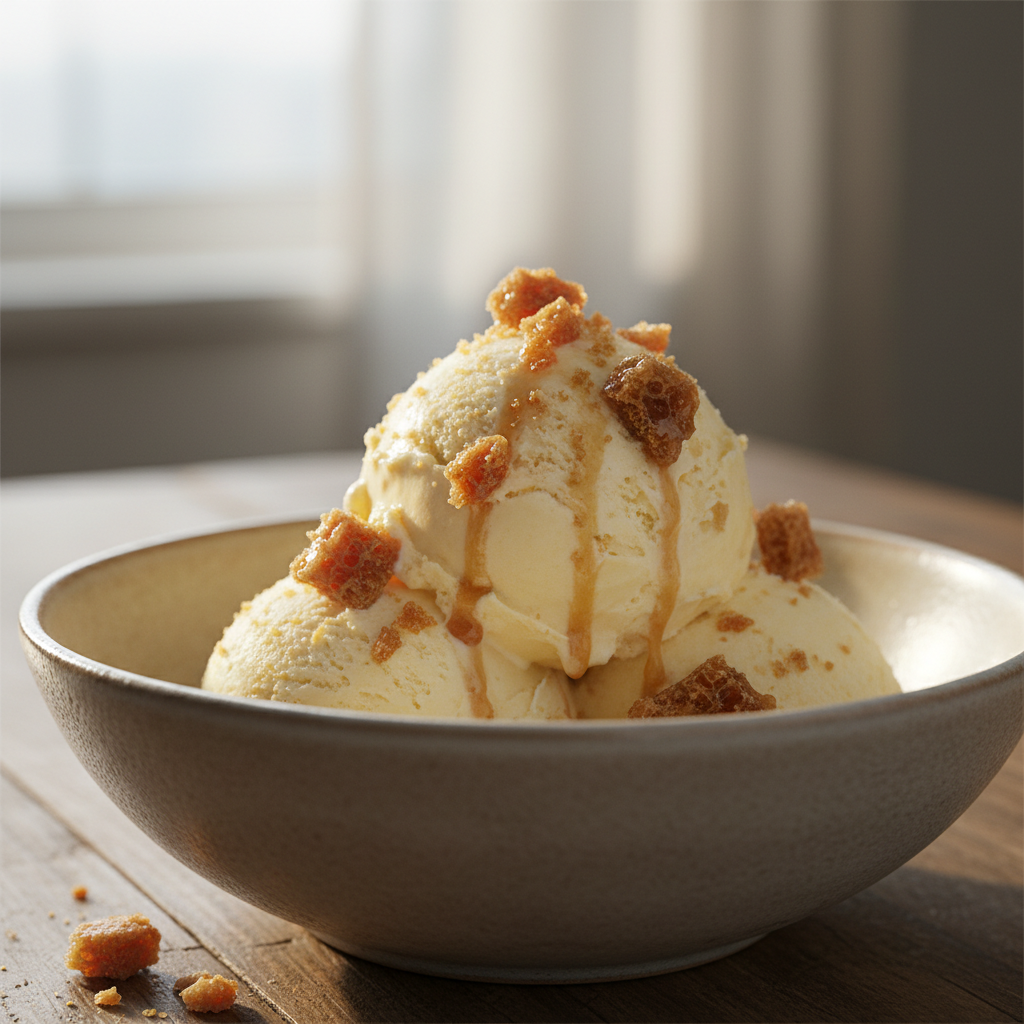
New Zealanders take their ice cream seriously. Very seriously. And at the peak of the local dairy hierarchy sits hokey pokey—the iconic vanilla scoop studded with crunchy, golden chunks of honeycomb toffee. But a sudden supply crunch has thrown the nation’s dairy sector into a quiet panic.
With the critical 2026 summer season on the horizon, local ice cream manufacturers are scrambling to secure the specialized honeycomb kibble that gives the dessert its signature texture.
The Core of the Crunch
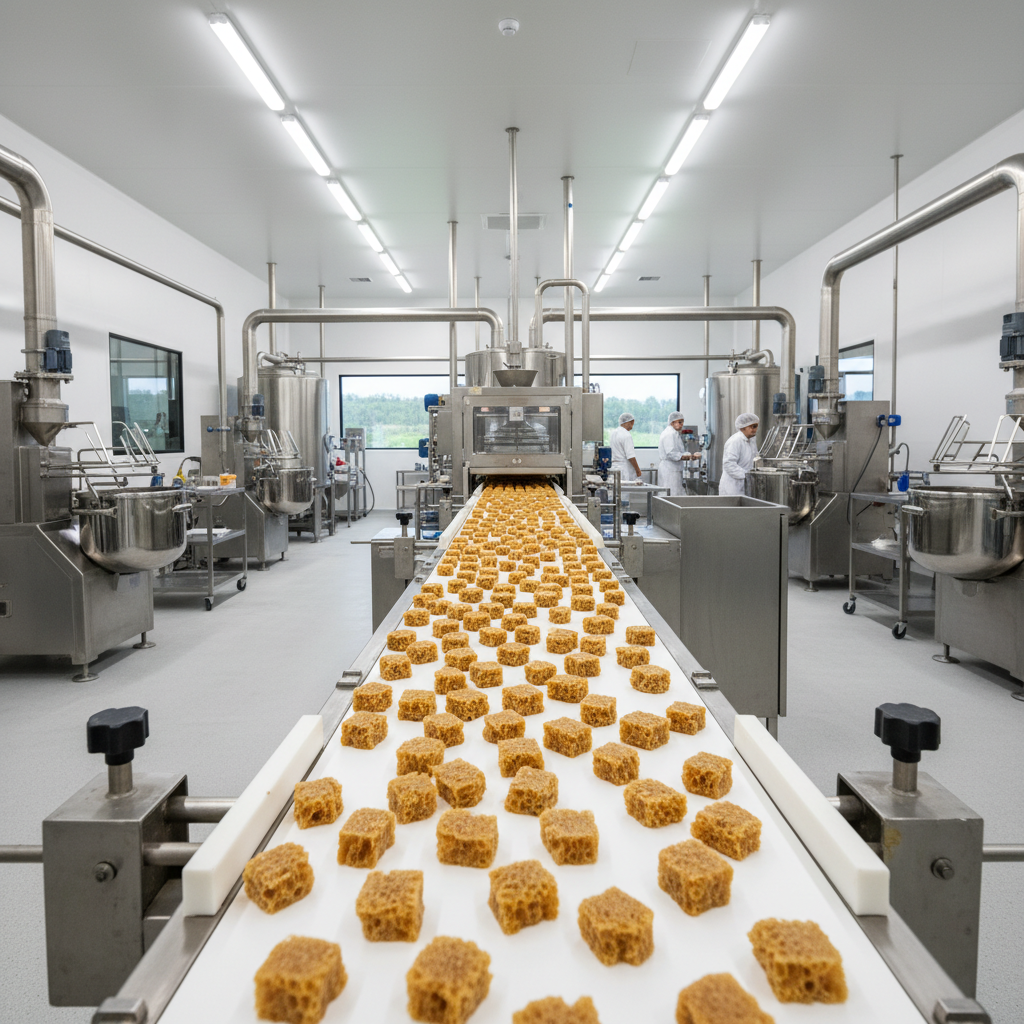
The crisis stems from a quiet announcement by Tasman Confectionery, the country’s primary supplier of food-grade, moisture-resistant honeycomb. The company is shutting down its main processing line in Christchurch for a major eight-month overhaul. This upgrade, meant to modernize aging machinery, won’t finish until early 2026. That is far too late for the peak production cycle, which starts in the winter months of 2025 to stock retail freezers well ahead of summer.
Without this specific kibble, the ice cream industry faces a grim prospect. Standard honeycomb melts when mixed into wet ice cream. Tasman’s proprietary formula uses a specialized fat-coating technique that keeps the toffee crisp inside the tub.
“It is a massive headache,” says Marcus Oldham, an independent dairy analyst based in Auckland. “You can’t just throw regular honeycomb into a batch of vanilla. Within forty-eight hours, you end up with a sticky, brown syrup and soggy pockets of sugar. It ruins the whole texture profile.”
Big Brands Seek Offshore Solutions
For industry giants like Tip Top, which churns out millions of liters of hokey pokey annually, the shutdown is a logistical nightmare. Tip Top has reportedly been quietly negotiating with offshore suppliers in Australia and the United Kingdom. However, freight costs and strict biosecurity measures at New Zealand borders make importing heavy sugar confectionery a costly gamble.
Even if they find a foreign supplier, there is no guarantee the flavor will match the nostalgia-driven Kiwi palate. Some of the international alternatives lack the deep caramel notes locals expect.
Artisanal Makers Feeling the Pinch
Smaller, boutique brands are feeling the pinch even harder. Duck Island Ice Cream, a cult-favorite brand known for its high-quality ingredients, is looking at alternative solutions.
“We pride ourselves on local sourcing,” says Clara Jenkins, a production manager at a regional dairy plant in Waikato. “If we have to import our honeycomb, our margins shrink to almost nothing. We are trying to see if we can scale up in-house production, but coating the pieces to stop them from melting requires specialized equipment we just don’t have.”
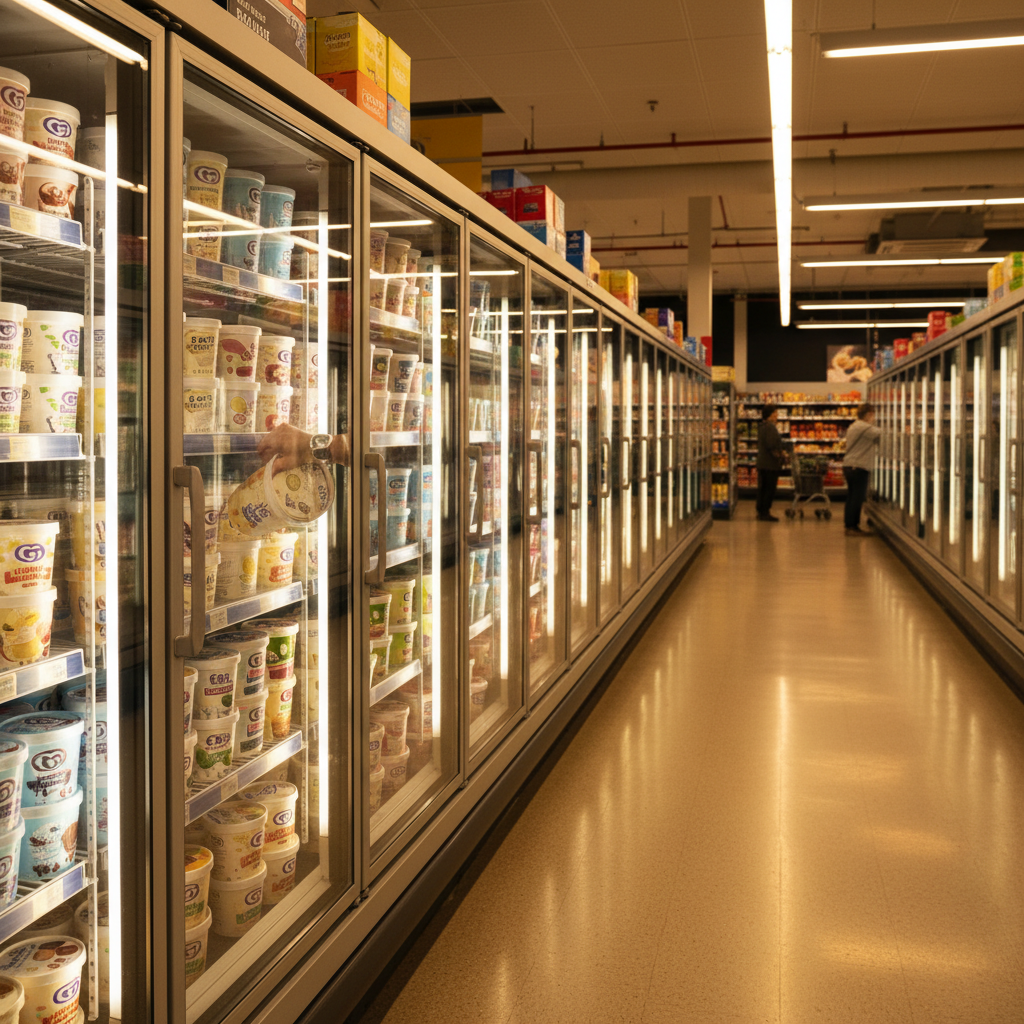
The stakes are incredibly high for everyone involved. Hokey pokey consistently ranks as New Zealand’s second most popular flavor, rivaled only by plain vanilla. During the peak summer months of December through February, it accounts for nearly twenty percent of all supermarket ice cream sales. A summer without it is unthinkable for major retailers.
What This Means for Consumers
Some supermarkets are already warning that prices for the beloved treat could spike by fifteen to twenty percent by the time the hot weather rolls around. Retailers may also have to ration shelf space if production volumes drop.
- Potential price hikes of up to 20% on premium brands
- Temporary flavor substitutions in budget ranges
- Increased reliance on imported confectionery ingredients
For now, the race is on. Dairy executives are spending their winter holidays on calls with overseas food technologists, desperately seeking a workaround. Whether they succeed or not will determine if New Zealand’s next summer is filled with its favorite crunch—or a soggy disappointment.