
The rumors started with a few hotel bookings. They always do. In professional cycling, secrets are notoriously hard to keep. You cannot easily hide a traveling circus of several thousand athletes, coaches, journalists, and sponsors. Long before Christian Prudhomme steps onto the stage at the Palais des Congrès in Paris, the route of the 2027 Tour de France is already leaking.
This year, the gossip mill is turning its focus to the Pyrenees. Local newspapers in southwest France are buzzing with reports of sudden reservation spikes for mid-July 2027. Municipal councils are debating budget allocations for road resurfacing. Cycling forums are alight with amateur sleuths cross-referencing GPS tracks. Everything points to a brutal, high-altitude showdown in the mountains bordering Spain.
The Pyrenees have always offered a different kind of challenge compared to the Alps. The climbs are often steeper, the weather more volatile, and the roads narrower. If the latest whispers are true, the 2027 edition will not just visit these historic peaks—it might make them the centerpiece of the entire race.
A Pyrenean Trilogy on the Horizon?
According to reports from regional outlets like La République des Pyrénées, organizers are plotting a formidable three-day block in the region. Speculation suggests the peloton will tackle a classic route that features some of the sport’s most feared ascents.
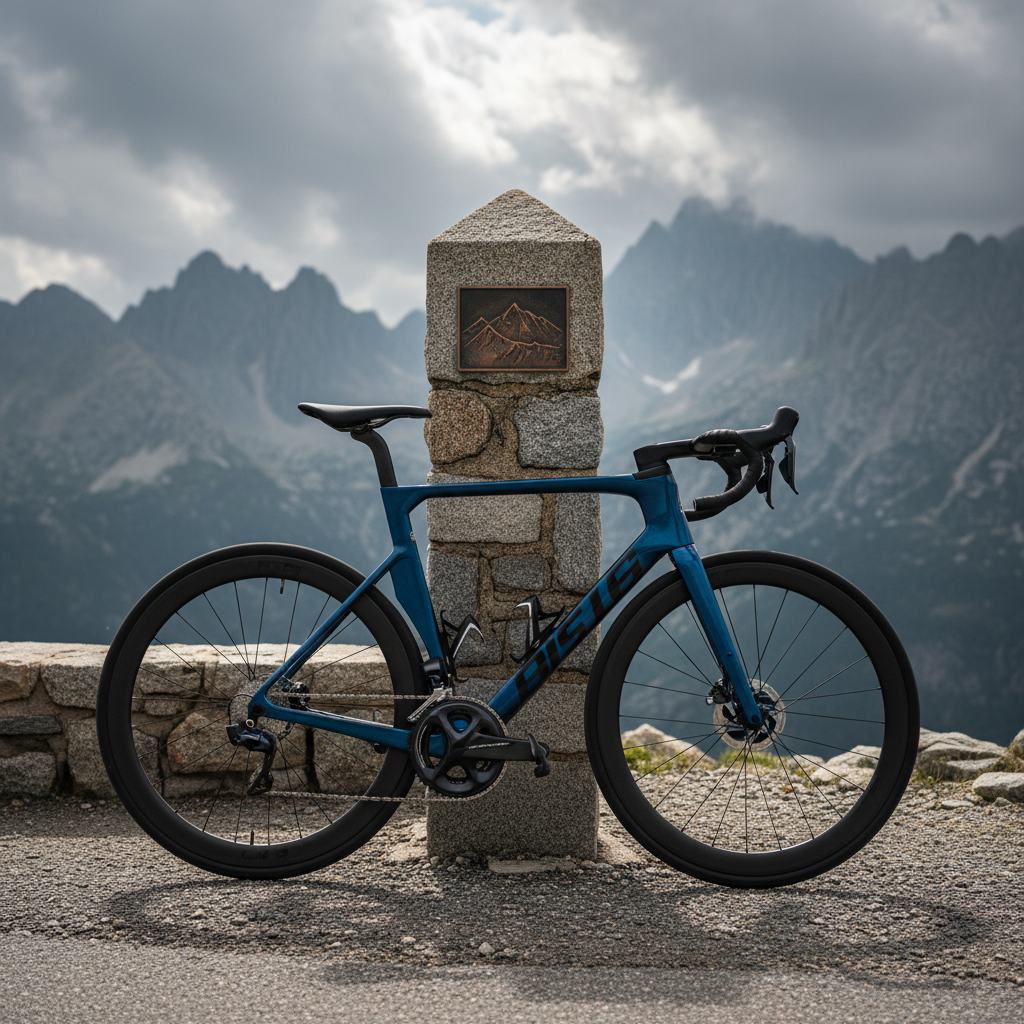
The crown jewel of these rumors is a potential summit finish at Hautacam. Known for its relentless gradients and lack of rhythm, Hautacam has historically been a launchpad for decisive yellow jersey attacks. But the climbs leading up to it are what have riders nervous. Whispers suggest a route that packs the Col d’Aubisque and the legendary Col du Tourmalet into a single, punishing afternoon.
“It is about creating drama early,” says former racer turned analyst, Marc Dupont. “If you put these giant passes in the second week, you force the general classification contenders to show their hands before they even see the Alps. There is nowhere to hide on the Tourmalet.”
Tactical Shifts and the Search for Seconds
While the mountains draw the most attention, the build-up to them is just as critical. Speculation about where the 2027 Grand Départ will take place has been wild. Some suggest a start in the northwest, which would require a long, flat transition south. Others hint at a southern start, meaning the peloton would hit the high mountains within the first week of racing.
An early mountain block completely changes how teams prepare. Domestiques cannot afford to carry extra winter weight into July, and team leaders must be at peak fitness from day one.
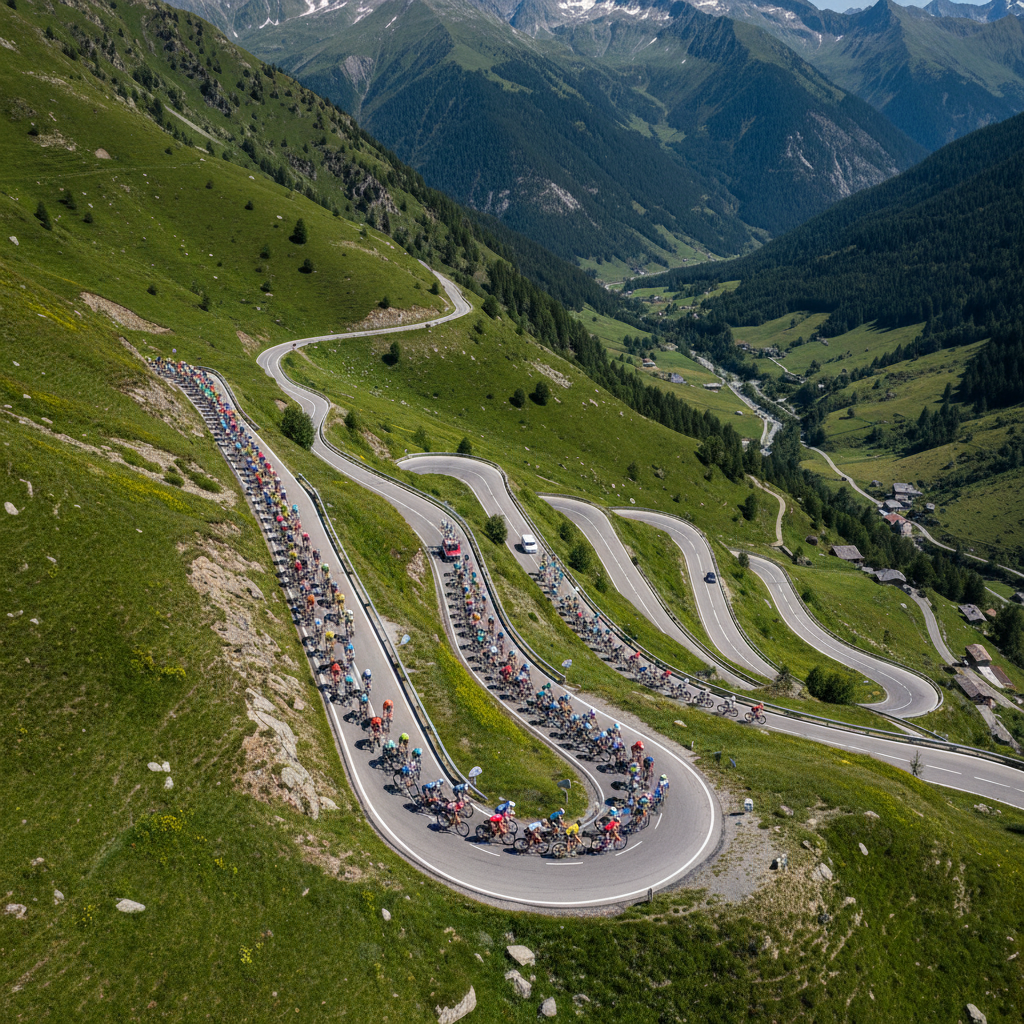
Why would the Amaury Sport Organisation (ASO) lean so heavily on the Pyrenees for 2027? The answer lies in the evolving style of modern grand tour racing. The days of conservative, defensive riding are largely gone. Today’s superstars prefer to attack from afar.
A Pyrenean block with short, explosive stages fits this aggressive style perfectly. Rumors also hint at a return to Peyragudes. Fans will remember the absurdly steep runway finish from previous years, where riders practically crawled across the line. A short, 120-kilometer stage finishing atop Peyragudes would guarantee chaos from the first kilometer.
There is also talk of a time trial. Not a flat, aerodynamic test for the specialists, but a mountain time trial up the Col de Spandelles. It is a terrifying prospect for the heavier riders, but a dream scenario for pure climbers.
The October Reveal in Paris
For now, all of this remains educated guesswork. ASO officials are notoriously tight-lipped in the weeks leading up to the official presentation in Paris. When contacted for comment, representatives simply pointed to the upcoming October gala, where the official map will be unveiled to the public.
But for local mayors and regional tourism boards, the preparation has already begun. Hosting a Tour stage is a massive financial gamble that can cost hundreds of thousands of euros. Yet, the return on investment in global television exposure is unmatched. If the Pyrenees are indeed the star of the 2027 route, towns from Pau to Tarbes are preparing for an economic windfall.
Until the lights go down at the Palais des Congrès, fans will keep digging. They will watch for freshly paved asphalt on remote mountain passes. They will track hotel availability in sleepy mountain villages. The official route announcement is just around the corner, but the race to figure it out has already been won.