
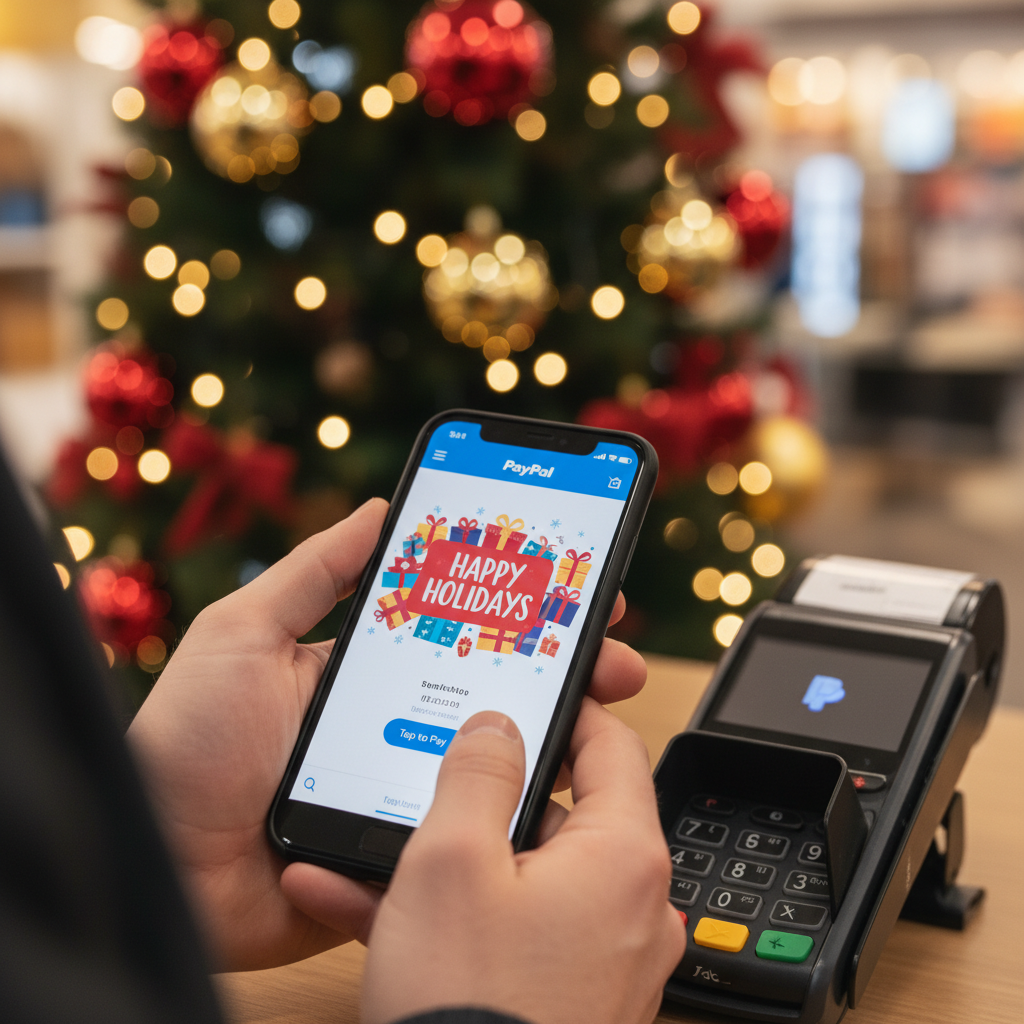
A New Way to Gift
Holiday shopping is stressful enough without having to worry about scammers draining your gifts. That is the exact problem PayPal wants to solve. For the upcoming 2026 holiday season, the payment giant is rolling out a brand-new digital gift card system. It bypasses physical cards entirely. No plastic, no silver scratch-off strips, and no sketchy reseller websites.
How Scammers Ruined the Gift Card Rack
To understand why this matters, you have to look at how gift card fraud works today. For years, bad actors have targeted the physical gift card racks found in supermarkets and big-box stores. They walk into a shop, scan the barcodes of unactivated cards, and copy the security codes. Then, they put the cards back on the rack and wait. When an unsuspecting shopper buys one of those compromised cards and loads cash onto it, the scammers use automated software to drain the balance instantly. By the time the recipient tries to spend it, the money is gone.
PayPal’s new system cuts the physical card out of the equation. By partnering directly with major brands, they are creating a secure loop. Retailers like Target, Best Buy, Sephora, and Macy’s have already signed on for the initial launch. When you buy a digital gift card through the platform, it does not get sent as an easily intercepted email link. Instead, it goes straight into the recipient’s secure digital wallet.
Securing the Digital Handshake
Security experts have long warned about the vulnerabilities of the secondary gift card market. Sarah Jenkins, an independent retail cybersecurity analyst, says this move is overdue. “The physical gift card infrastructure was designed for convenience, not security,” she explains. “By linking the purchase directly to a verified digital account, PayPal is removing the points of failure that criminals rely on.”
According to PayPal’s product development team, the system relies on tokenized security. When a user sends a gift card, the transaction is verified on a secure ledger. Here is how the process works for everyday shoppers:
- The sender logs into their PayPal or Venmo account.
- They select a partner retail brand and choose the amount.
- They enter the recipient’s phone number or email address.
- The recipient gets an instant alert on their phone.
- The funds immediately populate in their digital wallet.
From there, the recipient can spend the card online or scan a dynamic, one-time-use QR code at the cash register. Because the barcode changes constantly, thieves cannot copy it or intercept the transaction.
Why Retailers Are Jumping on Board
For retail companies, this change is about protecting their reputation. When a customer purchases a gift card that turns out to be empty, they rarely blame the anonymous scammer. They blame the store where they bought it. This leads to angry customer service encounters, chargebacks, and lost brand loyalty. By shifting to a direct-to-wallet model, retailers can protect their bottom line and their customer relationships.
The Federal Trade Commission has tracked a steady rise in gift card fraud over the last few years, with consumers losing hundreds of millions of dollars annually. As digital wallets become the default way to pay, physical card racks are starting to look like an outdated relic of the early 2000s.
The Future of Festive Giving
PayPal is betting big on the 2026 holiday rush to prove this concept works. If the rollout is successful, it could signal the end of the traditional store gift card rack. Other fintech companies and banks are already watching the initiative closely, and industry insiders expect competitors to launch similar direct-to-wallet networks soon.
For shoppers, the shift means one less headache during the busiest time of the year. You can still send a last-minute present to a friend across the country. Only this time, you can be sure the money actually reaches them.