
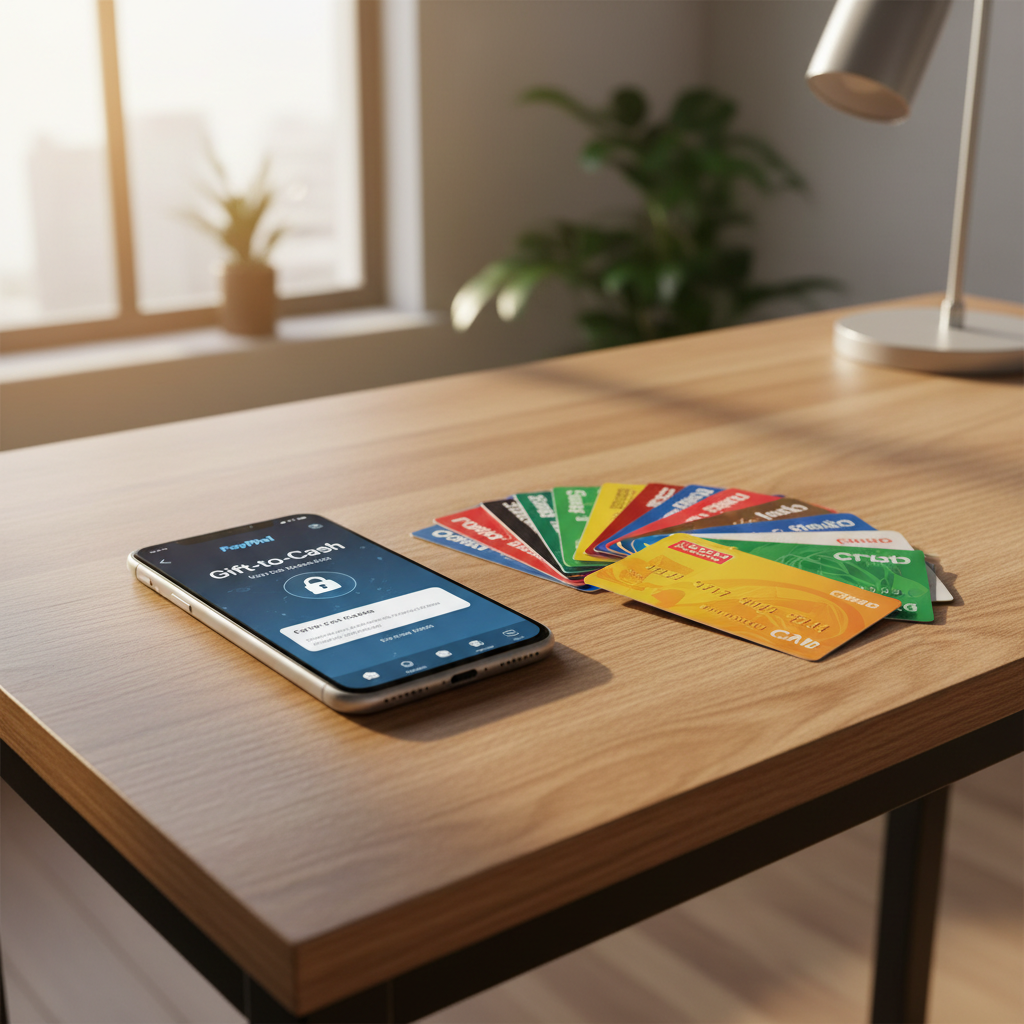
A Secure Bridge for Unused Gift Cards
Everyone has that one drawer. It is usually filled with plastic gift cards to coffee shops you never visit, or clothing stores you do not particularly like. In the past, getting rid of those cards meant taking a major gamble online. This week, PayPal is stepping in to change that reality.
The digital payments giant is rolling out an in-app feature called “Gift-to-Cash” just in time for the busy 2026 holiday shopping season. The goal is straightforward: give consumers a safe, direct way to swap unwanted retail credits for actual digital cash without falling victim to increasingly clever online predators.
The Growing Threat of Secondary Market Scams
The timing of this launch is highly strategic. Over the past two years, cybersecurity firms have tracked an alarming spike in scams on peer-to-peer trading boards, Reddit forums, and unofficial exchange websites. Fraudsters often lure people in with promises of near-equal value trades, only to vanish the second they receive the gift card number and PIN.
According to data from the Federal Trade Commission, consumers lost more than $230 million to gift-card-related fraud last year. Security analysts predicted that number would climb even higher this winter as inflation-weary shoppers look for any possible way to stretch their holiday budgets. Scammers have even begun deploying automated bots and deepfake profiles to look like highly rated, trustworthy buyers on social media marketplaces.
“The secondary gift card market has basically become the Wild West,” says Sarah Miller, a senior retail analyst at advisory firm Consumer Pulse. “People want to liquidate their useless cards, but the platforms they use are riddled with traps. PayPal is trying to build a safe bridge over that gap.”
How the Gift-to-Cash System Works
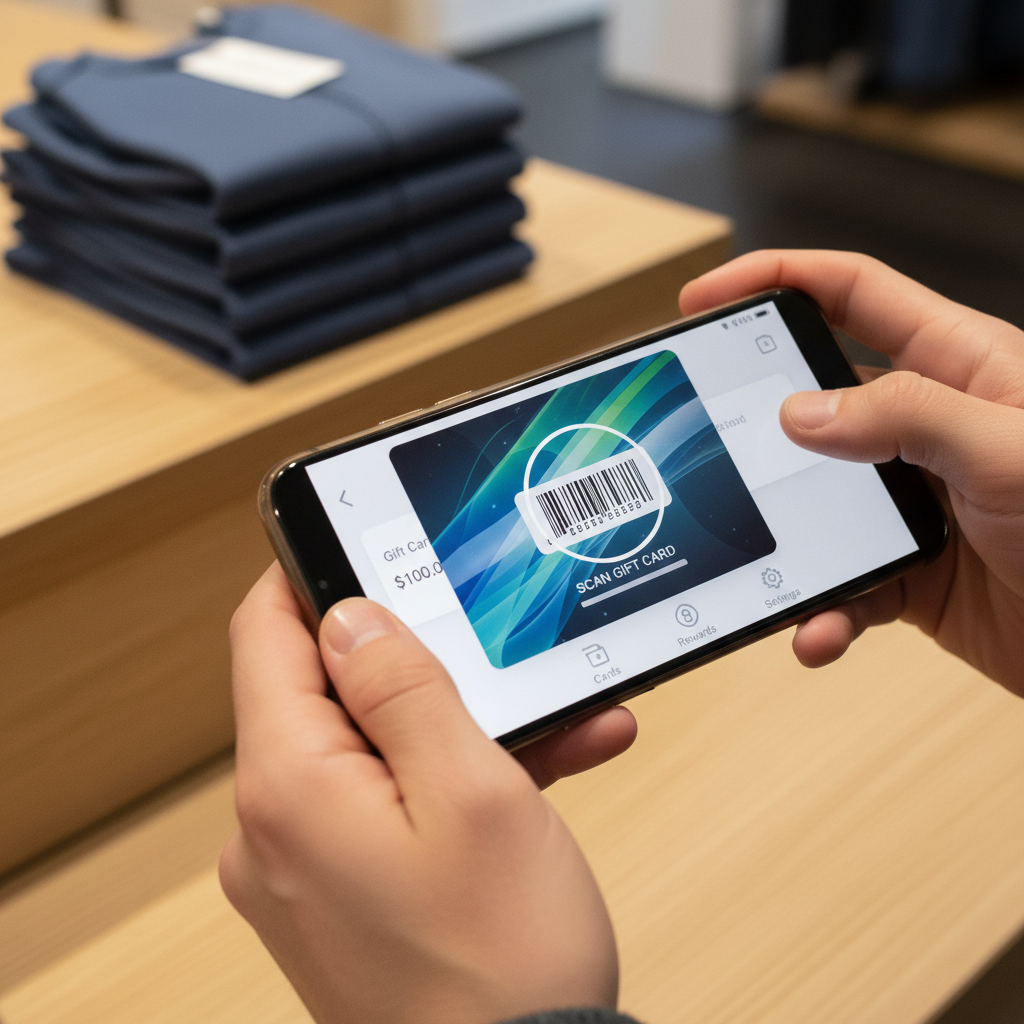
PayPal’s solution lives entirely inside its official mobile app, removing third-party middlemen from the equation. The process is designed to be quick and user-friendly:
- Users open the PayPal app and navigate to the new Gift-to-Cash hub.
- They select the retail brand from a list of participating companies.
- They scan the card’s physical barcode using their phone camera, or manually type in the card number and security PIN.
- The system instantly verifies the balance with the issuing merchant.
- Once verified, the funds are deposited directly into the user’s PayPal balance.
It is fast and secure. However, it does come with a cost.
PayPal charges a transaction fee for the exchange, which typically ranges from 8% to 12% depending on the specific retailer and the overall value of the card. While that fee might seem steep to some, industry experts point out that it is a small price to pay for security. Getting 90% of a card’s value in real, usable cash is much better than losing 100% of it to an anonymous scammer on an internet forum.
A Smart Ecosystem Play for PayPal
Beyond protecting consumers, the new feature is a brilliant business move for PayPal. By keeping these transactions inside its own ecosystem, the company keeps users engaged with its app. When users cash out their unwanted gift cards, they are highly likely to leave that money in their digital wallets to spend on holiday gifts at other stores that accept PayPal at checkout.
The move also helps the company cut down on expensive customer service headaches. When users get scammed on external platforms, they frequently try to dispute related transactions through PayPal, which bogs down support agents and costs the payment network money to resolve.
The feature supports over 100 major retail, dining, and entertainment brands at launch, including industry giants like Target, Starbucks, Best Buy, and Home Depot. The rollout starts this week for users in the United States, with plans to expand the service to international markets early next year. As the winter holidays approach, PayPal hopes this tool will clean up a notoriously messy corner of the web, giving shoppers a reliable way to clean out their drawers safely.