
A Watershed Summer in England
The English summer of 2026 will be remembered for many things, but mostly, it will be marked as the moment women’s cricket stopped asking for a seat at the table and simply took it. When the final ball was bowled at a packed Lord’s, it was not just the champions celebrating. Broadcasters, sponsors, and sports administrators were looking at spreadsheets that had suddenly changed forever.
For decades, women’s sport was marketed through the lens of growth potential. It was treated as an investment for the far-off future. But the 2026 ICC Women’s T20 World Cup proved that the future has already arrived. The event generated numbers that rival some of the biggest tournaments in men’s sport, signaling a permanent realignment of the game’s economy.
Packed Houses and Sold-Out Finals
Before the first ball was even bowled, organizers knew they had a hit on their hands. Ticket sales did not just crawl; they flew. More than 430,000 fans passed through the turnstiles over the course of the tournament, setting a new global record for a standalone women’s cricket event.
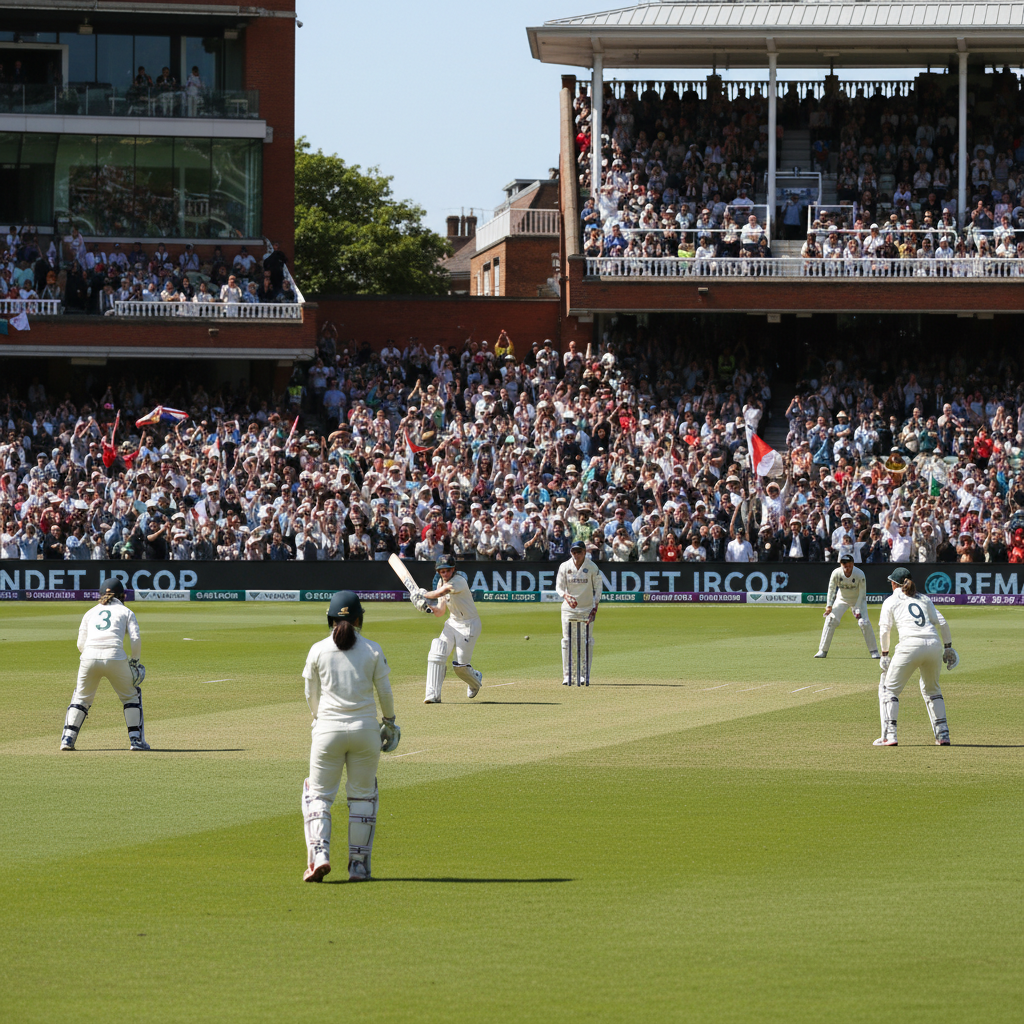
The crown jewel was the final at Lord’s. Over 30,000 fans filled the historic ground, creating an atmosphere that rivaled any traditional Ashes test. Venues like Edgbaston, Trent Bridge, and The Oval also saw near-capacity crowds, even for non-host matches. This was a crucial indicator. People were not just showing up to support England; they were paying to watch high-quality cricket, regardless of who was playing.
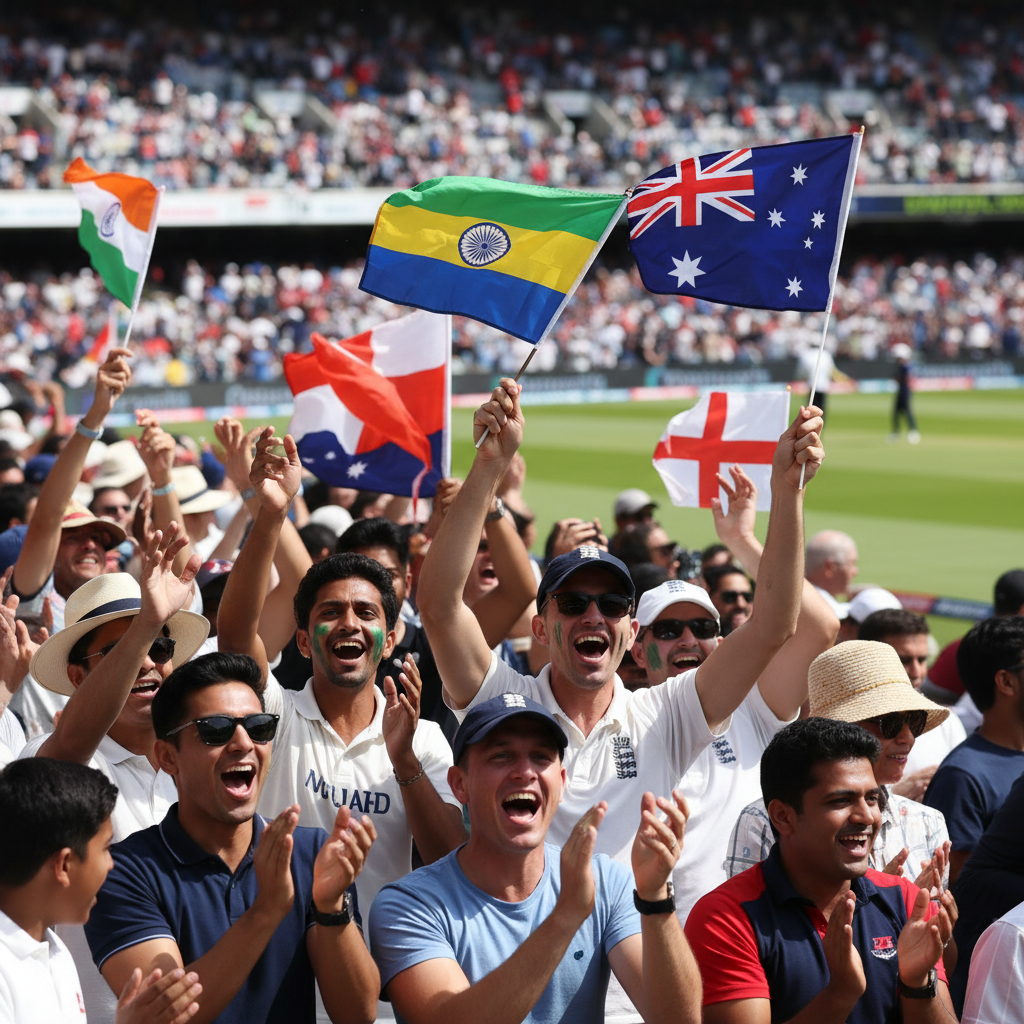
“We used to worry about papering the house to make the stands look full,” said one ECB official off the record. “Now we are dealing with ticket scalpers and angry fans who could not get a seat. That is a massive, albeit welcome, headache to have.”
The Broadcast Boom
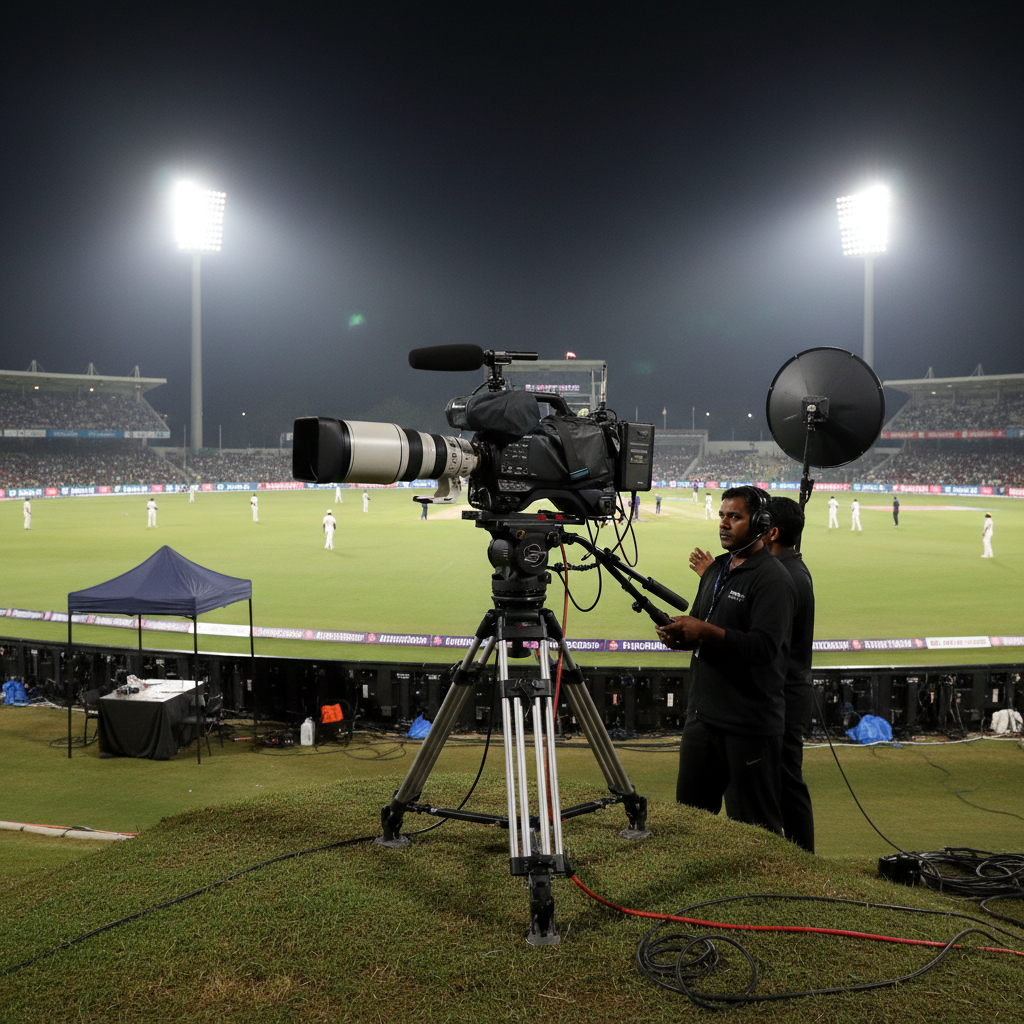
If the stadium crowds were impressive, the television and digital audience numbers were astronomical. Global broadcast data shows the tournament accumulated over 2.2 billion viewing hours worldwide. This represents a staggering 40% jump from the previous tournament in South Africa.
In the UK, Sky Sports recorded its highest-ever viewing figures for a women’s cricket event, peaking at 2.8 million viewers during the final. Meanwhile, the subcontinental market exploded. Digital streaming platforms in India reported unprecedented concurrent viewership for afternoon games, proving that the appetite for the women’s game transcends national boundaries.
Crucially, these were not passive viewers. Engagement metrics on social media platforms showed that fans were staying longer, commenting more, and buying merchandise at rates never seen before. It proved to media buyers that women’s cricket is a sticky, highly lucrative product.
Uncoupling the Rights
This massive engagement is already changing how cricket is sold. Historically, cricket boards bundled women’s media and sponsorship rights with men’s packages. It was often treated as a throw-in, a sweetener to get the men’s deal over the line.
That era is over. Industry insiders confirm that major boards, alongside the ICC, are planning to completely uncouple women’s rights for the next cycle of commercial deals. They do not need the men’s game to carry them anymore.
Major brands are noticing. Blue-chip sponsors who previously focused exclusively on men’s tournaments are now bidding specifically for women’s cricket assets. They want the unique, family-friendly, and highly diverse demographic that the women’s game attracts. It is a cleaner, less saturated market, and the buy-in costs, while rising quickly, still offer incredible value.
Grassroots and the Next Generation
This commercial windfall is already trickling down to the grassroots level. A significant portion of the new broadcast revenue is being earmarked for domestic development. In England, the ECB has pledged to reinvest millions into club cricket and regional academies, ensuring that the pathway for young girls is as clear and well-funded as it is for boys. The goal is to build a deep talent pool that can sustain this newly expanded market for decades to come.
A New Reality for Players
So, where does this money go? The most direct impact will be felt in player bank accounts. The surge in tournament revenue is driving a push for equal pay across domestic leagues and international match fees.
With franchise leagues like the Women’s Premier League in India and the Hundred in England already offering substantial paydays, this tournament’s success will only push those numbers higher. We are quickly reaching a point where a professional female cricketer can earn a comfortable, seven-figure living solely from the game. The 2026 World Cup did not just break records. It proved that women’s cricket is no longer a developmental project. It is a highly profitable, self-sustaining powerhouse.