
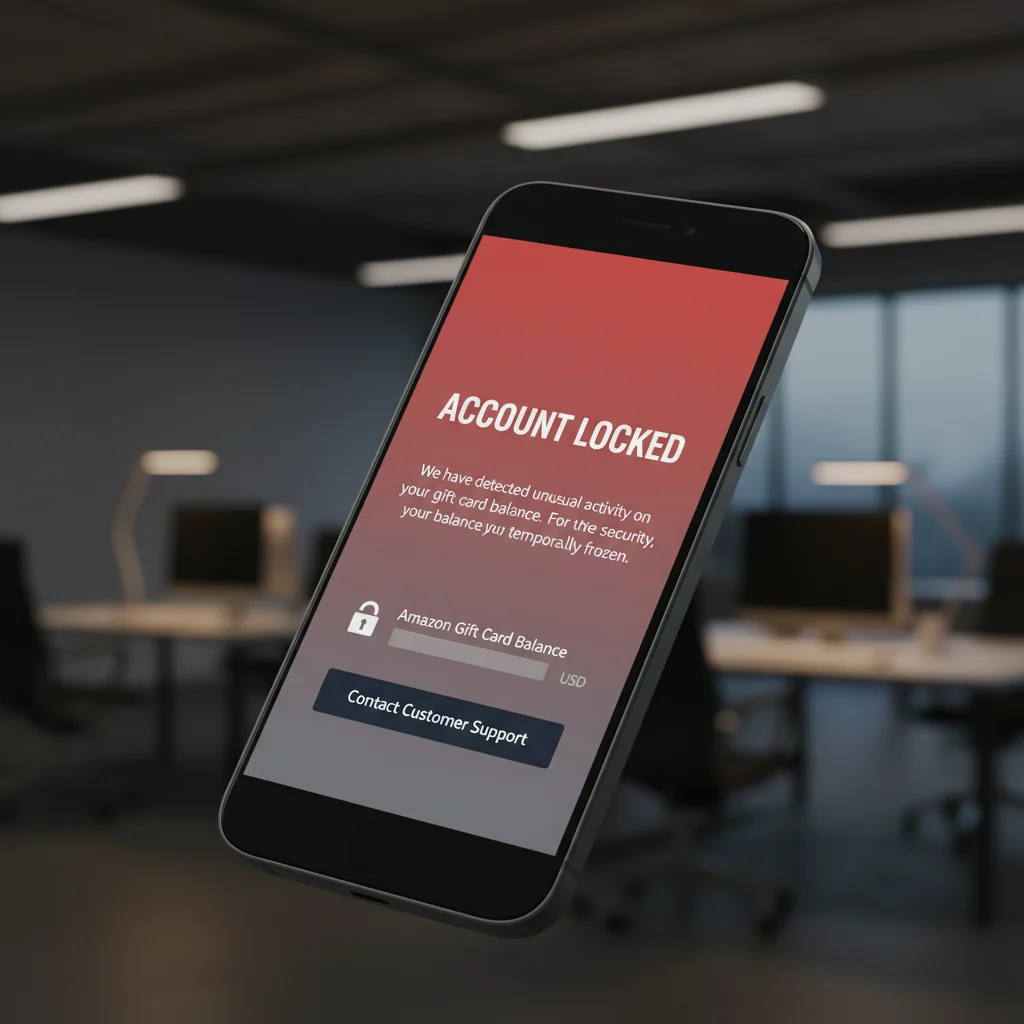
The Fight Over Frozen Funds
Amazon is facing a fresh legal battle. A new class-action lawsuit accuses the retail giant of quietly locking shoppers out of their promotional gift card balances through sudden, unannounced regional restrictions. The complaint, filed in the U.S. District Court for the Western District of Washington, claims the e-commerce giant pulled a bait-and-switch on loyal customers, trapping millions of dollars in digital limbo.
Claim Free Amazon Gift Card here
At the center of the dispute is how Amazon handles promotional credits. Over the years, millions of customers have accumulated these balances. Some earned them through the platform’s popular trade-in programs by sending in old electronics. Others received them as incentives during major shopping events like Prime Day, or as customer service gestures to resolve shipping delays. For a long time, spending these credits was seamless.
That changed without warning. The lawsuit alleges that Amazon began enforcing strict regional redemption rules on these balances overnight. Suddenly, if a shopper moved to a new state, traveled abroad, or tried to purchase an item shipped from a different regional warehouse, their balance became useless. The system flagged their accounts. Their hard-earned money was frozen.
The Trade-In Trap
The lead plaintiff, Michael Greco, experienced this sudden shift firsthand. Over several years, Greco had built up a substantial promotional balance. Much of this came from trading in old physical goods, which he assumed would act like cash on the platform. When he finally went to redeem his funds, he was blocked.

Greco contacted customer service, hoping for a quick fix. Instead, support agents shuffled him through a loop of automated responses. They ultimately told him his balance was restricted to a specific region and could not be transferred or spent. According to the lawsuit, Greco’s experience is far from isolated. Thousands of shoppers have faced the same runaround.
The legal team representing the plaintiffs argues this policy change is fundamentally unfair. “These promotional credits are not free gifts,” the complaint states. “Consumers earned these balances by spending their own time, trading in valuable physical property, or choosing Amazon over its competitors.” By retroactively applying regional locks, Amazon allegedly stripped consumers of their property.
A Push for Accountability
The lawsuit accuses Amazon of breach of contract, unjust enrichment, and violating state consumer protection laws. By keeping the frozen funds without delivering any goods, the company is pocketing pure profit. The legal action seeks to represent a nationwide class of affected consumers, aiming for restitution and damages that could easily surpass the $5 million threshold for federal class-actions.
Amazon has not yet filed a formal response in court. Typically, the company points to its terms of service, which give it broad discretion over how promotional balances are used. Standard gift card terms do state that cards cannot be used on international Amazon sites. However, the lawsuit argues that promotional credits—especially those earned through trade-ins—should be treated as cash equivalents, not arbitrary rewards that can be devalued or restricted at will.
For now, affected consumers are left with few options. The lawsuit highlights a growing frustration with tech platforms that change the rules of digital ownership on a whim. If you have a promotional balance sitting in your Amazon account, you might want to spend it quickly. As this case shows, digital money is only as secure as the platform’s latest policy update.