
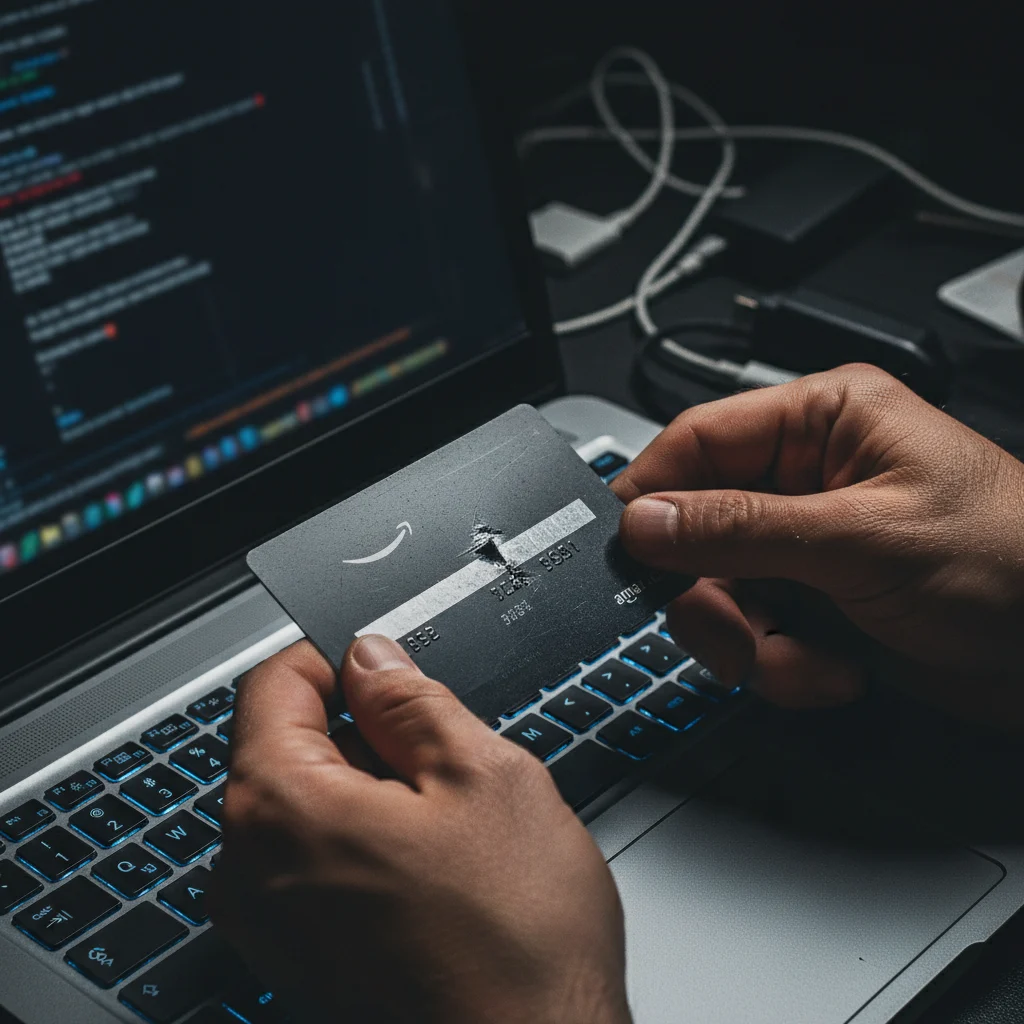
Amazon Locks Down Gift Card Rules as FTC Clamps Down on Scams
Holiday shopping is about to look a little different for anyone planning to buy or send high-value gift cards. Amazon is quietly raising the barriers for activating and redeeming large gift card balances. The e-commerce giant isn’t just trying to protect its bottom line; it is racing to get ahead of tough new Federal Trade Commission (FTC) anti-fraud regulations set to take effect by 2026.
Claim Free Amazon Gift Card here
For years, gift cards have been the playground of choice for international scam syndicates. They are easy to buy, hard to trace, and instantly convertible into physical merchandise. But the rules of the game are shifting rapidly. Amazon’s proactive changes signal a massive shift in how retail platforms handle digital cash, introducing friction that everyday shoppers will have to navigate this winter.
What Are Amazon’s New Restrictions?
Amazon has started quietly rolling out tighter limits on how gift cards are loaded onto customer accounts. Shoppers trying to activate multiple high-value cards—specifically those valued at $200 or more—are now facing extra security hurdles. In some cases, accounts are being temporarily locked until the user can prove they actually purchased the physical card.
The changes target several common pain points:
- Strict daily redemption caps: Customers attempting to load more than a few hundred dollars in gift cards within a 24-hour window may find their transactions flagged for manual review.
- Mandatory multi-factor verification: Adding a large gift card balance now frequently triggers an SMS or email verification prompt, even on trusted devices.
- Geographic and behavioral flags: If a card purchased in Ohio is suddenly redeemed on an account with an IP address in New York, the transaction is put on ice.
These barriers are designed to disrupt the automated scripts and botnets used by scammers to quickly drain stolen gift card numbers. While these measures protect consumers, they also mean that legitimate holiday shoppers might experience delays when loading up their accounts for big-ticket purchases.
The Impending FTC Rules of 2026
Amazon’s sudden urgency isn’t happening in a vacuum. The FTC has made it clear that retail platforms can no longer play the role of passive bystanders while consumers lose billions of dollars. Under a suite of strict new rules scheduled to go into effect in 2026, the government will hold companies to much higher standards of accountability.
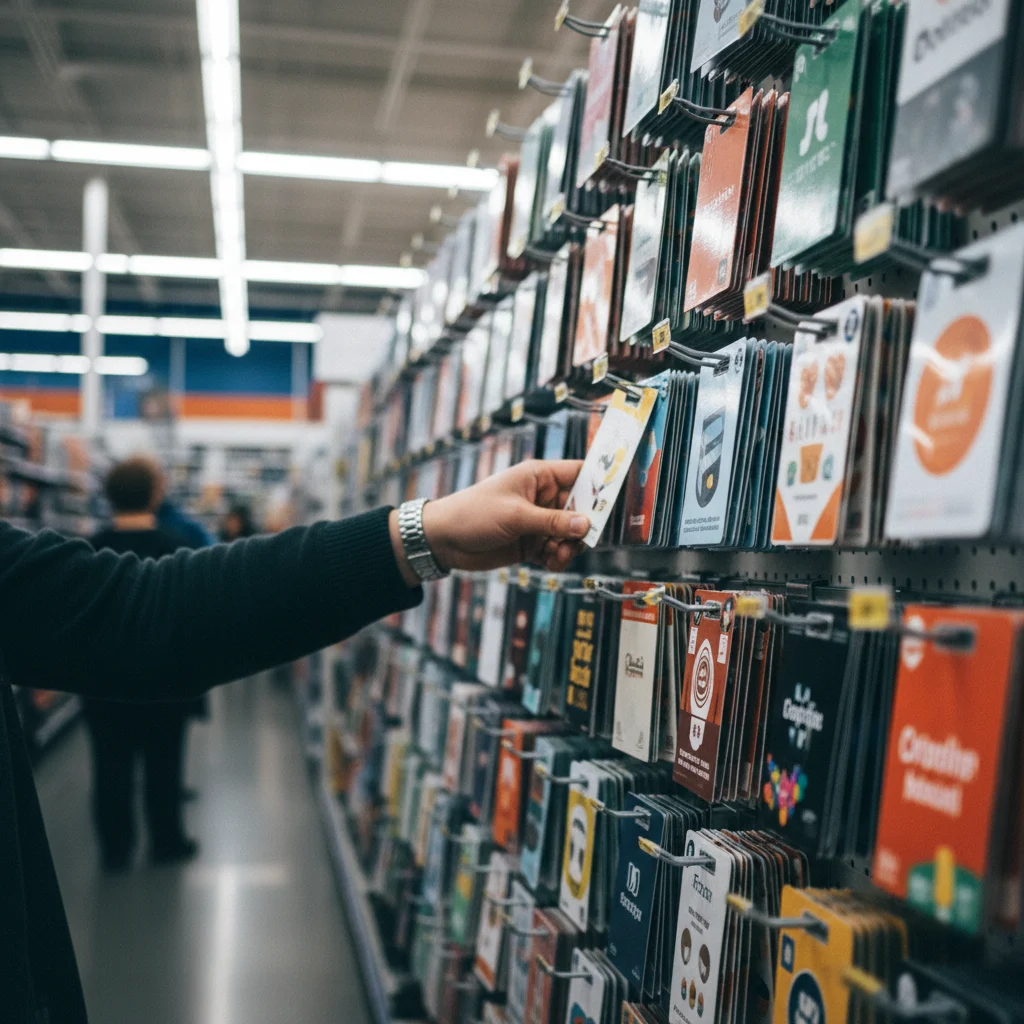
The upcoming FTC framework focuses heavily on “card draining” and imposter scams. Under the new guidelines, platforms will be required to offer faster, more accessible ways for victims to report fraud and freeze funds. Retailers who fail to implement robust verification systems could face crippling financial penalties. By tightening its grip now, Amazon is effectively beta-testing its compliance systems before the federal government starts issuing fines.
The agency’s data shows why these rules are necessary. Year after year, gift cards remain the top payment method reported for fraud, especially among older Americans who are targeted by imposter scams. Scammers posing as government agents, tech support, or utility companies often coerce victims into buying high-value gift cards and reading the numbers over the phone.
The Growing Menace of Card Draining
Aside from phone scams, another rapidly growing threat is physical card draining. This happens right on the store shelves of major retailers. Criminals sneakily remove gift cards from racks, record the barcodes and PINs, replace the security tape, and put them back. When an unsuspecting shopper buys the card and loads money onto it at the register, the scammers use software to instantly detect the activation and spend the balance on Amazon before the customer even gets home.
By delaying the usability of newly activated high-value cards and requiring secondary verification, Amazon hopes to render these stolen codes useless. If a scammer cannot instantly drain the balance, the victim has a window of time to realize they have been conned, contact customer support, and get the funds frozen.
A Tougher Holiday Shopping Season
The timing of these restrictions is deliberate. The weeks between Thanksgiving and Christmas represent the peak season for gift card purchases—and, consequently, for fraud. Amazon wants its new defenses fully operational before the holiday rush hits its peak.
For the average shopper, the takeaway is simple: buy gift cards directly from trusted sources and redeem them as quickly as possible. Do not wait weeks to add a physical card to your online account. If you plan on purchasing large gift card balances for family members, prepare for a few extra security prompts along the way. Convenience is taking a backseat to security, and in the current fraud climate, that might be exactly what consumers need.