
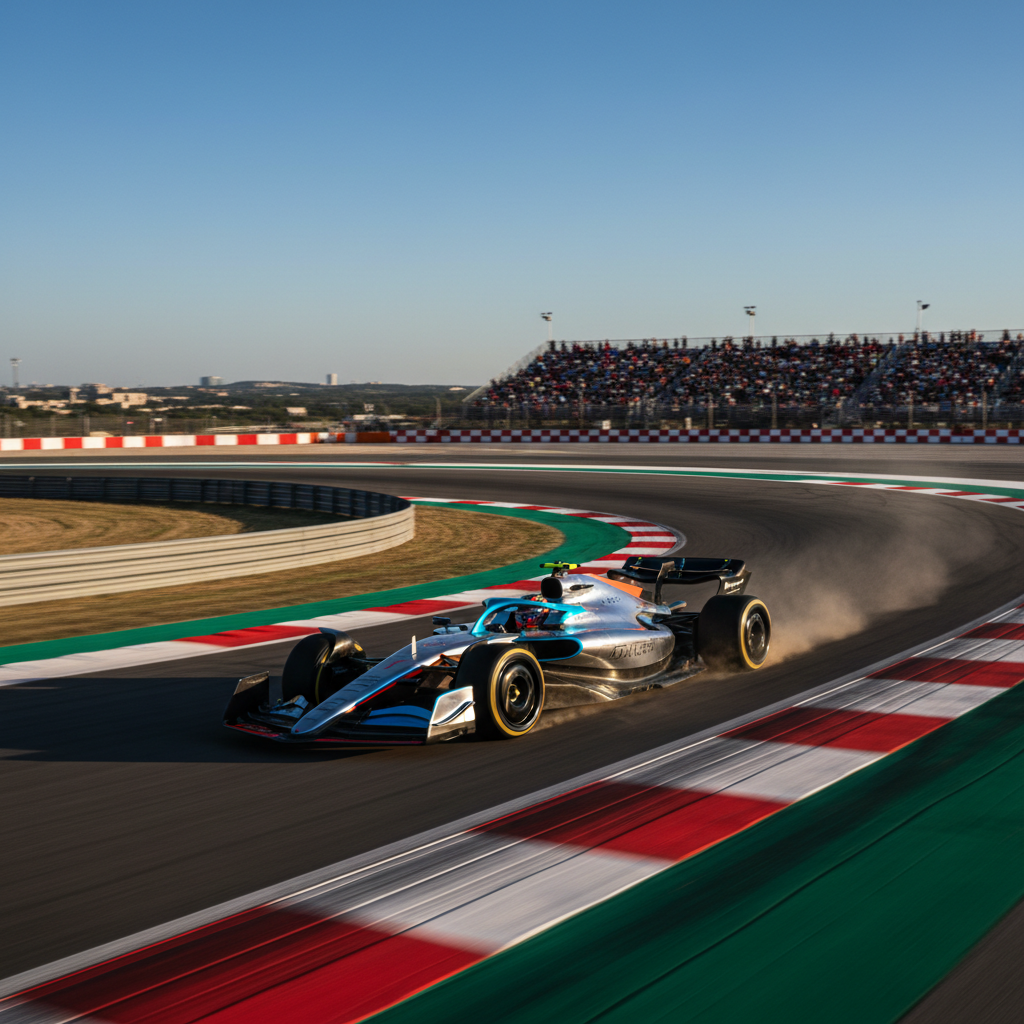
The 2026 Revolution Passes Its Toughest Test
Formula 1’s grand technical experiment is facing its ultimate trial. When the sport tore up its rulebook for the 2026 season, purists worried. Critics warned of heavy batteries, complex active aerodynamics, and sluggish straight-line speeds. Instead, as the paddock unpacks at the Circuit of the Americas for the United States Grand Prix, those fears have vanished. We are witnessing the tightest, most unpredictable championship battle in a generation.
Three drivers from three different teams are separated by a mere handful of points. Austin always delivers a spectacle, but this weekend, the tension is palpable.
The High-Speed Game of Battery Chicken
The massive shift to an equal split between internal combustion and electrical power has turned Austin’s layout into a giant tactical chessboard. At COTA, the long back straight between turns 11 and 12 is usually a straightforward overtaking zone. Not anymore. Now, it is a game of high-speed chicken.
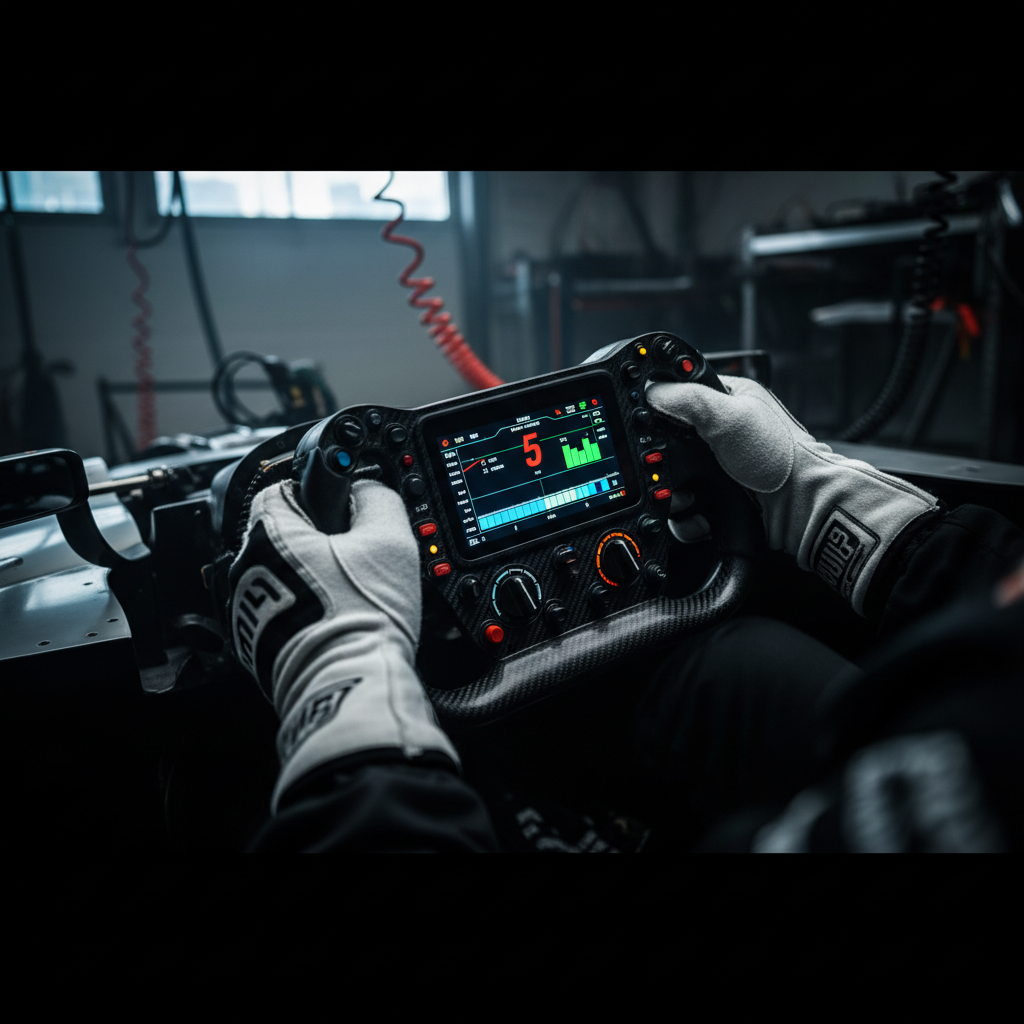
Drivers must carefully manage the new manual override system. This feature gives a burst of extra electrical energy to aid overtaking, but the battery capacity is finite. If you burn through your electrical reserves too early trying to defend your position, you become a sitting duck by the end of the straight. Spotting a rival running out of battery charge is the new cue to strike.
Wrestling the Active Aero Through the Esses
Then there is the challenge of active aerodynamics. This year’s cars switch constantly between Z-mode for maximum cornering downforce and X-mode for slippery, low-drag speed on the straights. Watching the cars transition through the rapid sweeping curves of Sector 1 is breathtaking, but it is keeping drivers on edge.
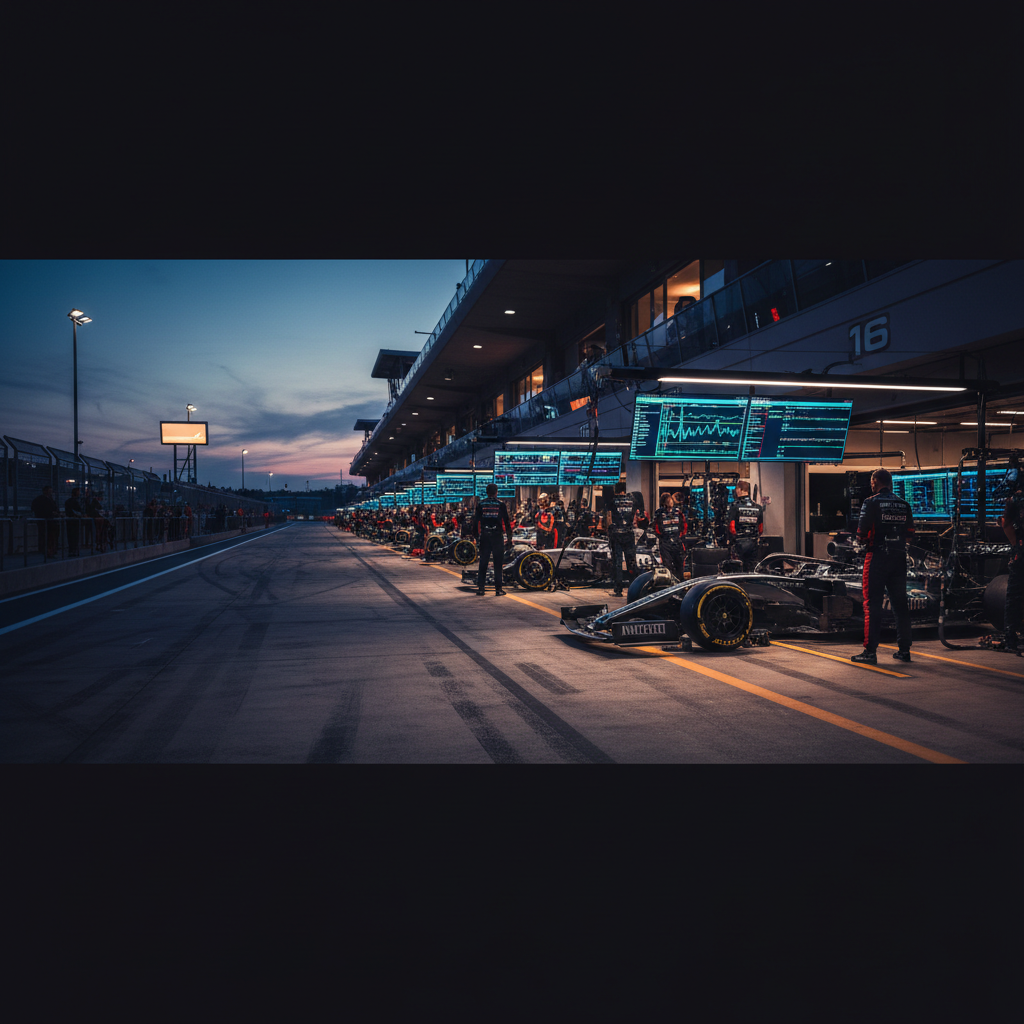
The transition must be seamless. If the rear wing fails to snap back into Z-mode quickly enough when a driver turns in, the car simply loses grip and spins. Austin’s famously bumpy track surface makes this even riskier. The bumps can easily upset the ride-height sensors that dictate wing angles. Engineers in the garages are staring at telemetry screens with white knuckles.
The Contenders on the Knife-Edge
Heading into the weekend, the championship picture is incredibly tight:
- Max Verstappen: Holds a fragile six-point lead. The Red Bull-Ford partnership struggled with early-season energy deployment, but recent software updates have stabilized their pace.
- Lewis Hamilton: Sitting in second place. Rejuvenated in his second season with Ferrari, the veteran has taken consecutive wins and looks highly comfortable with the Scuderia’s mechanical grip.
- George Russell: Lurking closely in third. The Mercedes driver is capitalizing on a power unit that many rivals privately admit is the most efficient on the grid.
The Software War Behind the Scenes
Reliability has been the silent killer all season. The new MGU-K units are being pushed to their thermal limits, and unexpected retirements have already swung the championship standings multiple times. Team bosses admit they are operating on a razor’s edge.
The battle is as much in the engineering office as it is on the track. Teams are rewriting engine mapping software between every single session. Finding the perfect balance between energy harvesting under braking and deployment on the straights will decide Sunday’s race.
For the fans packing the Austin hills, this unpredictability is exactly what the sport needed. The days of one-team dominance are gone. In their place is a fascinating mix of raw driver talent, cutting-edge software engineering, and strategic survival.