
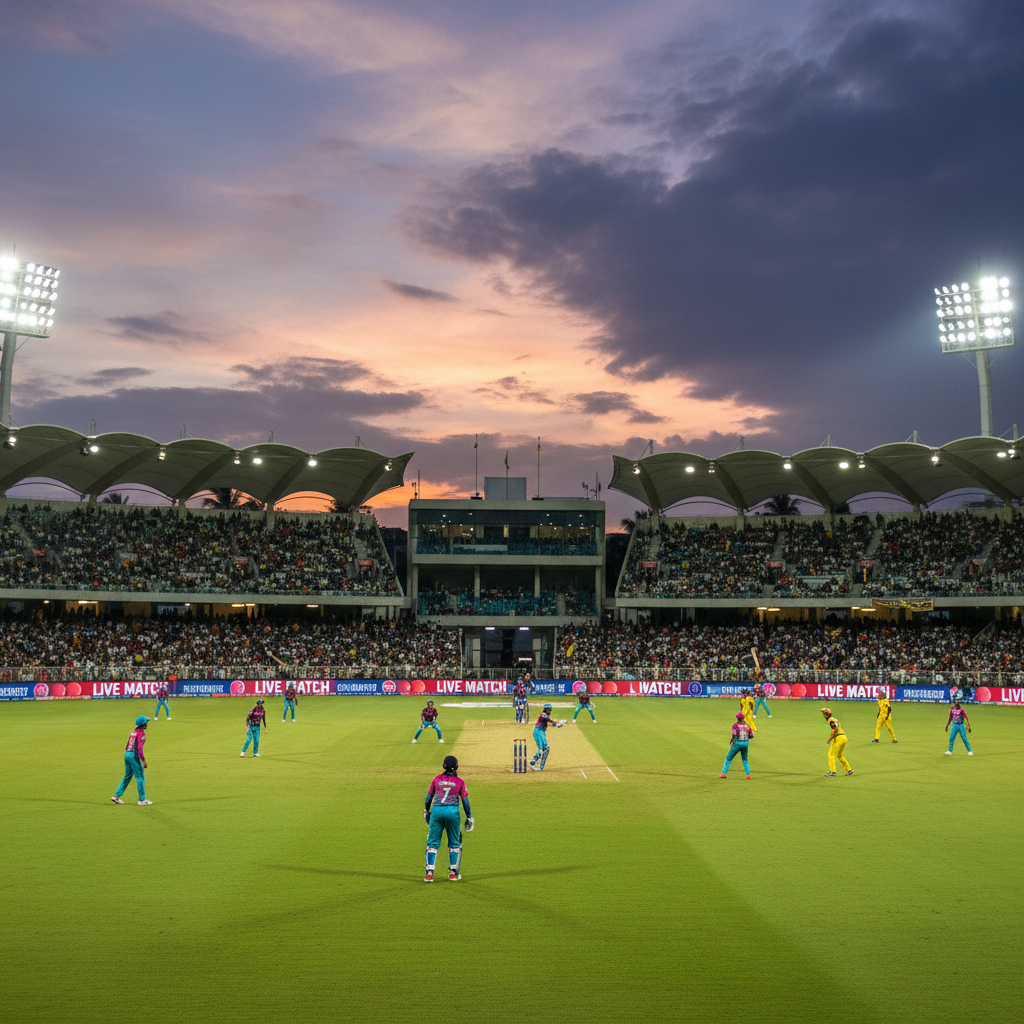
Sri Lanka is preparing to host the first-ever ICC Women’s Champions Trophy. It is a big deal. For decades, the narrative in women’s cricket has been predictable. Australia wins almost everything, England challenges them, and India looms as the financial powerhouse trying to close the gap. But this new tournament, scheduled for 2026, promises to disrupt that comfortable order.
With only six teams competing, the tournament will be brief, brutal, and highly competitive. There is no room for a slow start. A single slip-up in the group stage could mean an early flight home. By placing this high-stakes event in Sri Lanka, the International Cricket Council (ICC) has handed subcontinental teams a distinct tactical advantage.
The Subcontinental Advantage
The timing could not be better for the hosts. Sri Lankan women’s cricket is enjoying a golden era. Their stunning Asia Cup victory over India proved they are no longer pushovers. Led by the iconic Chamari Athapaththu, Sri Lanka has shown they can beat the best on slow, turning pitches. Now, they get to play an entire global tournament in those exact conditions.

Subcontinental pitches demand a different kind of cricket. In places like Colombo and Galle, the ball grips, stops, and turns. The raw pace that works so well in Melbourne or London often becomes easy fodder for batters on slow tracks. Instead, the tournament will likely be decided by spin bowling.
Challenging the Big Three
This shift levels the playing field. Teams like Australia and England will have to adapt quickly. While they possess world-class spinners, their domestic structures are built on hard, bouncy tracks. Emerging teams, particularly those from Asia, spend their lives playing on dry surfaces. They know how to construct an innings when the ball is soft and boundary-hitting becomes a chore.
Tactically, we are going to see a lot of experimentation. We can expect teams to implement several key adjustments:
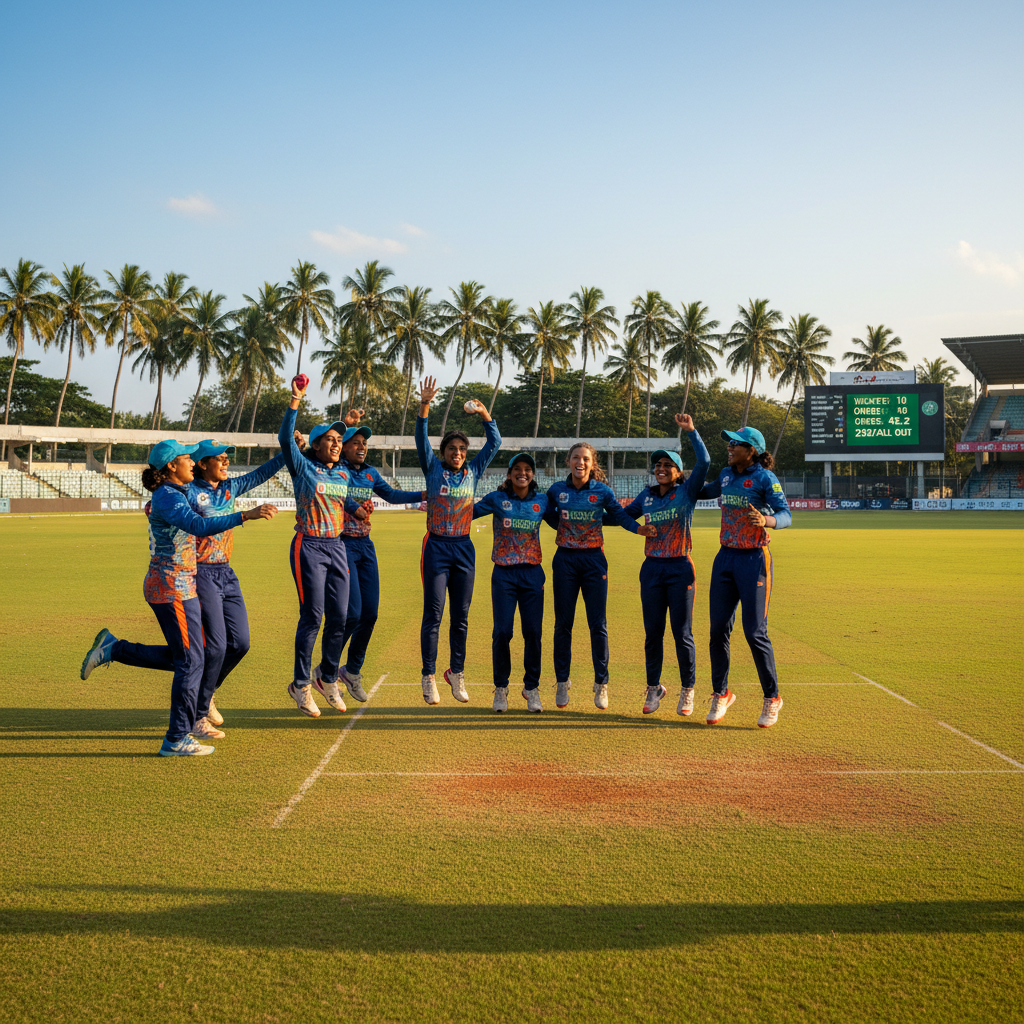
- Opening the bowling with spin options to choke the runs early.
- A shift in powerplay strategies from brute-force hitting to clever placement and hard running.
- Increased reliance on batters who can sweep, use their feet, and manipulate tight fields.
Economic and Social Impact
The impact will also be felt off the field. Sri Lanka has faced economic hardships in recent years, and hosting a major ICC event is a massive boost for local tourism and pride. It is an opportunity to show that the country can deliver world-class sporting spectacles. If the local crowds turn up in large numbers—as they did during the Asia Cup—it will send a powerful message to broadcasters and sponsors about the viability of women’s sports in emerging markets.
The ICC’s decision to launch the Champions Trophy is a calculated risk. They are betting that a shorter, sharper tournament will attract casual fans who find the longer World Cups too drawn out. If successful, this format could become the crown jewel of the women’s calendar.
Ultimately, the tournament could democratize the women’s game. For too long, the gap between the dominant nations and the rest of the world has been a chasm. By bringing the world’s best to Sri Lanka’s spin-friendly domains, the ICC has set the stage for a changing of the guard. The old hierarchy is under threat, and the cricket world is watching.