
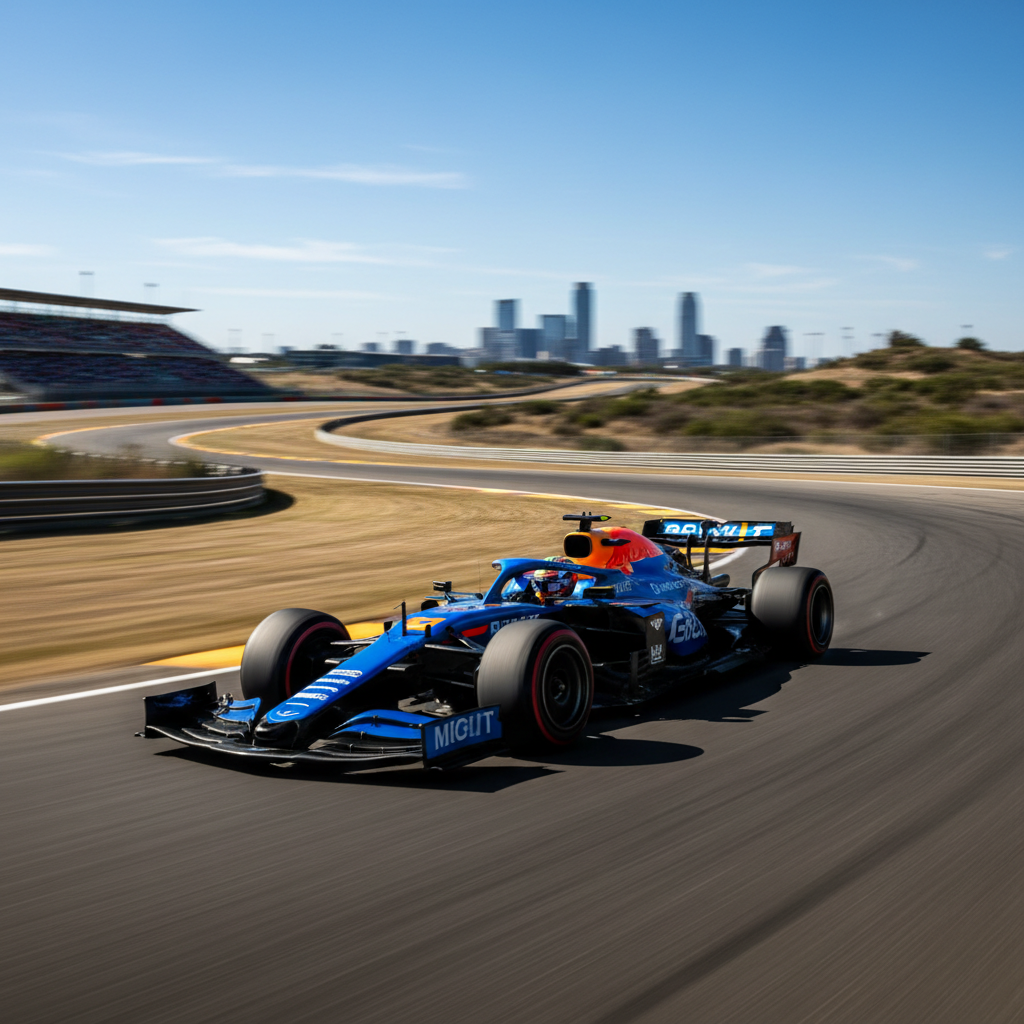
The High-Tech Chess Match at COTA
The asphalt at the Circuit of the Americas has always been a brutal test. But this weekend, as the paddock settles into Austin for the United States Grand Prix, the challenge is unlike anything teams have faced before. The 2026 world championship is on a knife-edge. Yet, the biggest talking point in the garage isn’t just tire wear. It is the complex, sometimes temperamental world of active aerodynamics.
This is the first year of F1’s radical new rules. Cars now feature active front and rear wings that shift configurations on the fly. It is a massive departure from the past. On the long straights of COTA, drivers are flicking between different aerodynamic modes with the press of a button. Get the timing wrong by a millisecond, and the car becomes nearly undriveable.
Balancing on a Knife Edge
The regulations were designed to solve a specific problem. The 2026 power units rely heavily on electrical energy, splitting power almost evenly between the internal combustion engine and the battery. To prevent cars from running out of juice on long straights, the FIA had to slash drag. The solution was active aero.
The new aero package relies on two distinct aerodynamic configurations:
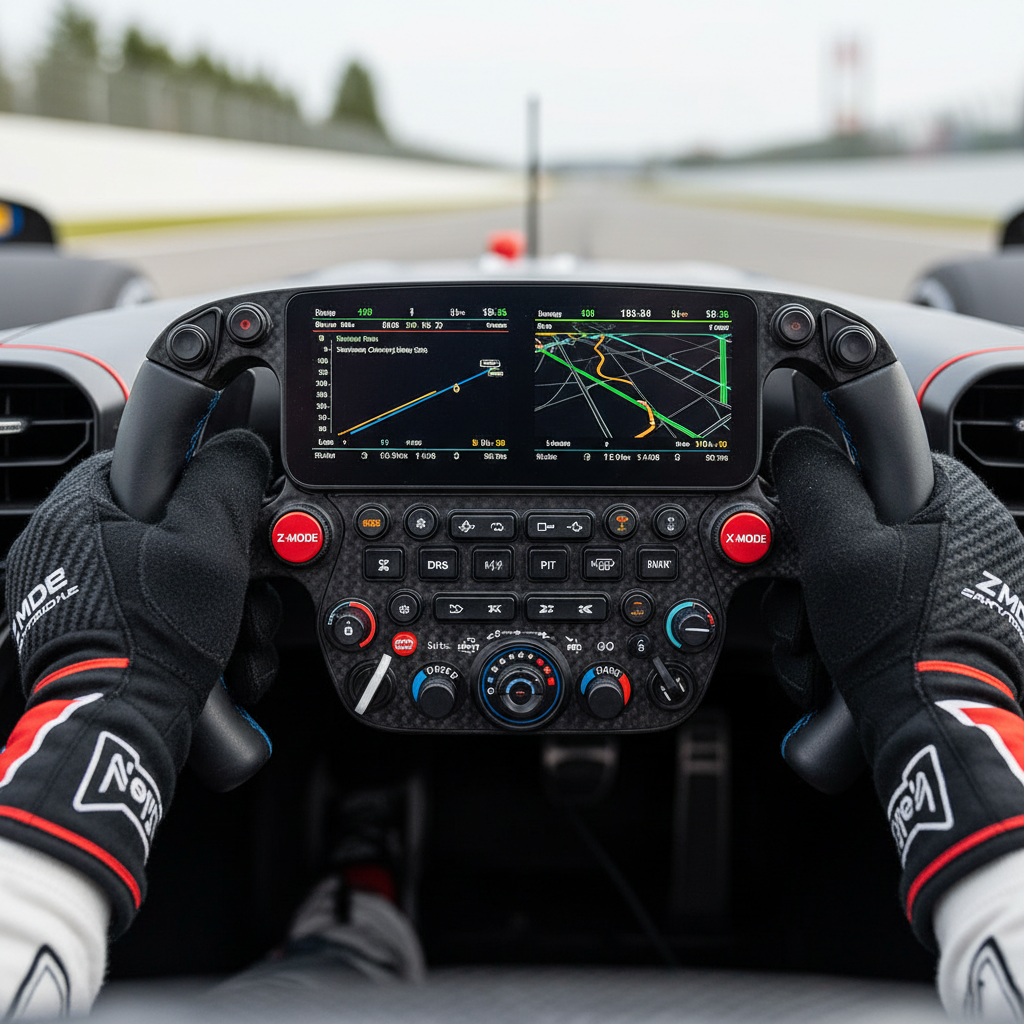
- Z-Mode: This high-downforce setting keeps the wings fully deployed to maximize grip through demanding, high-speed corners.
- X-Mode: This low-drag configuration flattens the wing elements on straights to boost top speed and conserve battery power.
But implementing this tech has been a nightmare for engineers. Early simulator runs during development saw cars spinning out on straights when the rear wing shed drag but the front wing stayed loaded. To fix this, the FIA mandated that both wings must adjust in unison. Even with those safeguards, managing the aero balance at 200 mph is a terrifying tightrope walk.
“The car feels completely different from one corner to the next,” says one paddock engineer. “In Sector 1, you need the car stuck to the ground. Then you hit the back straight, the wings flatten, and you are suddenly driving a rocket ship with very little grip. The transition has to be seamless, or you lose the rear end completely.”
The Austin Torture Test
Austin is the perfect crucible for this tech. Sector 1 is a copy of Silverstone’s famous Maggots-Becketts complex. It demands maximum downforce and rapid direction changes. Here, cars must stay firmly in Z-mode. But immediately after comes the massive back straight, a prime overtaking zone where X-mode is vital.
Then there are the bumps. COTA is notorious for its uneven surface, built on shifting Texas clay. Active aerodynamics rely on a stable ride height to work predictably. When a car hits a massive bump at high speed while transitioning between aero modes, the sudden loss of downforce can be catastrophic.
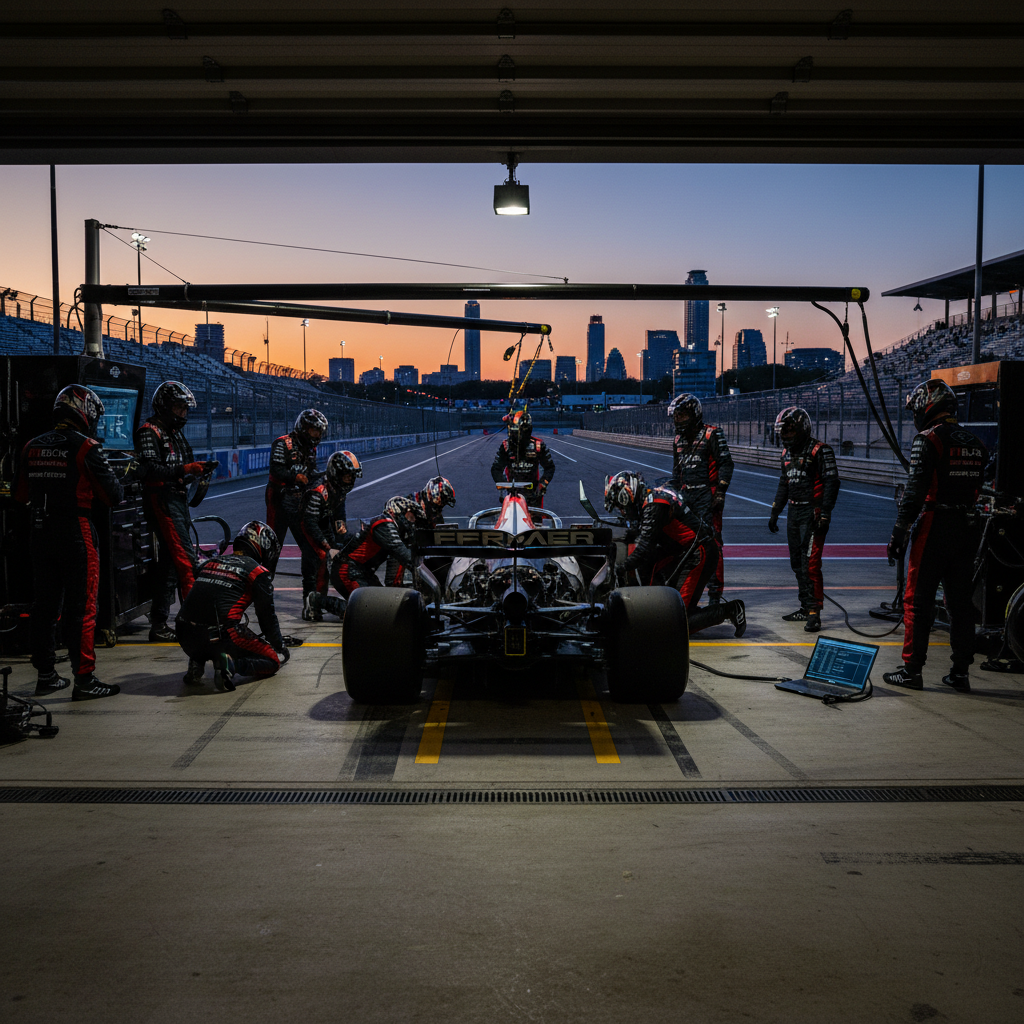
Teams have spent the weeks leading up to Austin running endless simulations. The focus is on software calibration. Teams are trying to automate the transition as much as possible without violating the strict rules against fully automatic active systems. The driver still has to trigger the change, but the car’s onboard computers must execute it flawlessly despite the bumps.
Who Has the Edge?
So far, the battle at the front has been a three-way scrap. Red Bull, McLaren, and Ferrari have all taken different approaches to wing flexibility and actuator speed. Red Bull’s system appears to be the most stable over bumps, allowing their drivers to get back on the throttle earlier. Meanwhile, McLaren has shown incredible straight-line efficiency when the car is fully trimmed out in X-mode.
Ferrari is the wild card. Their power unit has excellent harvesting capability, meaning they can afford to run slightly more downforce in transitional zones. This could give them a massive advantage through the twisty final sector at Austin.
With only a handful of races left, the margin for error is zero. A single software glitch or a mistimed wing transition could end a driver’s championship hopes in an instant. In Austin, the fastest car might not win. Instead, victory will go to the team that has truly mastered the art of the moving wing.